Welcome to Forgotten Frames. Don’t forget to like and subscribe so you won’t miss our latest videos. In 1940 London, Windmill Theatre dancers rehearsed in gas masks, keeping performance alive during wartime bombing fears, blackout routines, and the surreal collision of stage glamour with danger overhead.
On Monte Cristallo, a World War I Alpine shelter, sits 8,760 ft high, preserving the freezing danger of Italy’s mountain front against Austria-Hungary during brutal high-altitude campaigns in the Dolomites. In 1991, Antonio Turuk photographed a solar eclipse over Chiapas, where circling birds deepened the strange darkness and turned a celestial event into unsettling visual drama above Mexico’s landscape. In 1946, Howard University students filled a library reading room studying in a black institution that helped shape post-war careers, leadership, legal minds, civil rights ambition, and opportunity for change.
Across the 19th century Great Plains, Sioux tipis marked mobile communities built around buffalo hunting, family camps, seasonal travel, sacred customs, and homelands threatened by advancing US settlement policies and military pressure. Seen from above, Britain’s fleet gathered in the Firth of Forth, where Germany’s High Seas Fleet surrendered after World War I under Allied control and post-war naval supervision in 1918. In 1944, Charles de Gaulle’s return after France’s liberation gave the country a Republican face again after occupation, collaboration, resistance, military defeat, exile, and national humiliation under years of war.
On the 11th of November, 1918, Antwerp citizens filled the streets after the armistice, celebrating relief as German occupation, wartime hunger, bombardment fears, and 4 years of fighting finally ended there. Lieutenant Colonel Robert Stirm embraces his family in 1973 after more than 5 years in North Vietnam. A reunion shaped by captivity, survival, public emotion, and America’s divided war.
Built and photographed by Chaz W. Aldrive in 1882, the unusual tricycle records industrial age experiments with balance, machinery, personal transport, steering, and urban movement before automobiles became widely common. On the 3rd of September, 1967, Sweden’s H Day shifted the nation from left-hand to right-hand driving.
A massive transport change managed through signs, police, and public campaigns across Stockholm and beyond. On the 10th of July, 1925, John T. Scopes stood trial in Dayton, Tennessee, accused of teaching evolution during America’s famous courtroom clash over science, faith, education, and modernity in schools.
At Baikonur in the 1980s, a Kazakh man on camelback passes beneath a Soyuz rocket, placing nomadic life beside Soviet space ambition on Central Asia’s open steppe in motion. On the 9th of April, 1865, soldiers waited at Appomattox Courthouse as Grant and Lee finalized the Confederate surrender that effectively ended the American Civil War in Virginia that afternoon. In 1903, Manhattan’s Times building rose above Long Acre Square, soon anchoring Times Square as a growing center of journalism, electric signs, theater crowds, advertising, nightlife, and modern urban spectacle.
In 1942, sailors lined up aboard a US Navy cruiser to receive pay. A brief routine of order amid wartime duty, sea deployments, danger, discipline, and uncertainty far from home. During World War I, Cameroon company troops served Germany in Southwest Africa fighting through harsh terrain as European imperial rivalries spread deeper across Africa’s colonial battlefields, garrisons, and borders there.
At the wartime Gorky plant, teenager Alexi Yelov welded SU-76 units, reportedly meeting triple quotas while Soviet industry depended on youth labor, factory endurance, and urgent production under pressure. In January 1948, Gandhi’s body lay surrounded by mourners, turning assassination into national grief after a lifetime of non-violence, independence struggle, fasting, interfaith peace, and moral sacrifice for India. In 1915, Jewish soldiers in German uniforms gathered for Yom Kippur, keeping religious identity alive within the Kaiser’s army during Europe’s vast industrial war and mass mobilization at the front.
During the 1945 Battle of Intramuros, a Filipino woman is rescued from Manila’s ruins, pointing to civilian suffering inside the Pacific wars brutal urban destruction and liberation under fire. In March 1945, US soldiers crossed the Rhine at Street. Gore under German fire, breaking into Germany during the Allied drive to finish the war in Europe from the west.
In August 1991, crowds filled Palace Square in St. Petersburg, resisting the failed Soviet coup and marking Russia’s sharp turn toward collapse, protest, uncertainty, and political change in public. On the 7th of December, 1941, a US Navy ship burned at Pearl Harbor as Japan’s surprise attack shattered American battleships, aircraft, airfields, and wartime confidence across the Pacific in hours.
In 1916, near Kronstadt, fallen Romanian soldiers lie beside the road, marking Romania’s costly entry into World War I and the brutal losses suffered on the Eastern Front that year. RMS Olympic served for decades as Titanic sank on her first voyage, and Britannic, converted into a hospital ship, struck a mine during World War in 1916, leaving Olympic alone. On the 11th of December, 1944, near Geich, James Gregory and Homer Taylor smoke behind an M4 Sherman, keeping calm while German fire pounds the road ahead during the Rhineland fighting.
In 1969, Woodstock brought enormous crowds to Bethel, New York, turning rock music, youth protest, communal living, and anti-war feeling into a defining counterculture gathering for the decade’s generation. In March 1945, US Marines take cover on Iwo Jima’s burned hillside, surrounded by shattered Japanese positions, volcanic ash, and the Pacific campaign’s close-range violence during the final assault. On the 3rd of September, 1967, Sweden’s Dagen H moved traffic to the right, creating confusion after years of planning meant to align roads with neighboring countries and reduce accidents nationwide.
In early 1900s Australia, an Aboriginal person chained by a British settler exposes colonial control, racial violence, and the dehumanizing treatment imposed on indigenous people across the frontier at the time. In 1902, children at Peking Mission School play on the dragon’s head, mixing childhood energy with missionary education during China’s uneasy late Qing Imperial transition following the Boxer Crisis years. In December 1944, Belgium, a German soldier carries ammunition boxes forward during the Ardennes counteroffensive, feeding the fierce winter struggle remembered as the Battle of the Bulge by history.
In 1875, a Luzon woman poses in traditional dress preserving Filipino identity under Spanish colonial rule with quiet dignity, formal posture, and carefully arranged clothing before American rule arrived. In July 1944, Canadian troops patrol Rue Saint Pierre after German forces left Caen, moving through streets shattered by bombing, artillery, and Normandy’s bitter urban fighting that summer during liberation. In the 1960s, nuns pause to watch a fashionable woman in a short dress neatly framing old religious discipline beside changing styles and social expectations in public life of the era.
In October 1945, Soviet soldiers marched in northern Korea after Japan’s surrender, beginning an occupation that alongside US forces in the south hardened into division and war within years. In 1952, Eisenhower’s campaign used an early teleprompter helping modernize political speeches by letting prepared words appear direct, fluent, and controlled before large audiences and television cameras across America. In a 1930s airplane cabin, formally dressed passengers relax among spacious seats and polished wood interiors, when commercial flights still felt like privilege, luxury, and modern adventure above the clouds.
Photographed in 1870, Porta Salaria recalled Alaric’s entry into Rome in 410, before demolition removed an ancient gateway tied to invasion, memory, and imperial decline from the city walls. In 1962, Marilyn Monroe sang “Happy Birthday” to President Kennedy at Madison Square Garden, creating a glamorous political moment later surrounded by rumor, fascination, and myth in American culture. In 1893, settlers rushed into Oklahoma’s Cherokee Outlet, claiming homesteads on former native land, and exposing the mix of expansion, opportunity, speculation, and dispossession behind America’s westward land runs.
In 1970s Iranian Kurdistan, schoolgirls gather in a sunlit classroom with notebooks open, their attentive faces preserving curiosity, ambition, and the quiet force of education during a changing decade. In January 1946 Czechoslovakia, ethnic Germans marked with N trudged through snow, part of post-war expulsions that replaced home with punishment, exile, and forced displacement after Nazi defeat in Europe. Before modern car washes, drivers paid 25 cents to spin through watery circles, a strange automobile novelty that offered spectacle, mild cleaning, and a memorable story afterward for early motorists.
On the 21st of May, 1945, British soldiers dismantled a Nazi concentration camp, tearing down structures tied to imprisonment, forced labor, mass death, and Germany’s defeated machinery of terror after liberation. In August 1944, Paris crowds cheered French tanks in the streets, celebrating liberation after 4 years of Nazi occupation and the return of national pride to the capital again. On the 11th of September 2001, Joanne Kepestro and a coworker escaped from the North Tower’s 87th floor, emerging through choking dust as New York’s skyline collapsed around them that morning.
Abraham Lincoln’s weary eyes and deepened lines recorded the strain of Civil War leadership as battlefield losses, emancipation, political pressure, and family grief visibly marked his face during wartime. Nerissa and Katherine Bowes-Lyon, cousins of Queen Elizabeth II, lived with severe learning disabilities, their hidden lives exposing how royal respectability once pushed disability into institutions and silence for decades. In India’s first general election in 1951, blind voters traced ballot symbols by touch, making universal suffrage practical for citizens newly included after independence across the country’s young democracy.
A Japanese battleship in archival view records the Imperial Navy’s modernization as steel warships became central to empire strategy, maritime power, and 20th century military ambition in Asia before 1945. A 19th century Japanese woman in samurai dress recalls the onna-bugeisha tradition preserving women’s armed discipline inside a warrior culture already fading under Meiji modernization and social change across Japan. In a 1925 portrait, a mother and child stand beside an empty uniform, letting absence speak for a father lost to war, death, migration, or long separation from home.
A comparison of 1918 and 1945 prices shows how $1. 34 changed meaning, linking meals, sugar, wages, inflation, scarcity, and purchasing power in everyday American life across wartime decades at home. On the 20th of July, 1944, in Normandy, a French World War I veteran greets South Saskatchewan Regiment soldiers, linking one war’s memory to Canada’s advance against Germany through occupied France.
During World War I, Australian soldiers trained in Egypt’s military camps, preparing Anzac forces for Gallipoli, Sinai, and Palestine against the Ottoman Empire under desert heat and discipline near Cairo. In 1947, Montmartre steps carried post-war Paris upward through cafes, studios, street life, and memory, linking hardship with the neighborhood’s enduring artistic identity after liberation and occupation years. In 1920s New York, a boy’s Converse sneakers stand out, a small sign of branded footwear entering youth style, street identity, and everyday American consumer culture during the decade.
Photographed in 1870, the last known living quagga became a final record of a vanished zebra relative, later driven to extinction by hunting and colonial settlement in Southern Africa. In 1937 Tennessee, a 9-year-old girl married a 24-year-old man, a disturbing legal union exposing child marriage, rural poverty, adult power, and innocence lost under accepted custom in America at the time. In 1937 Nanking, Japanese soldiers executed Chinese prisoners, one grim fragment of the Nanjing Massacre, where mass killing, rape, and terror scarred modern Asian history for generations afterward in China.
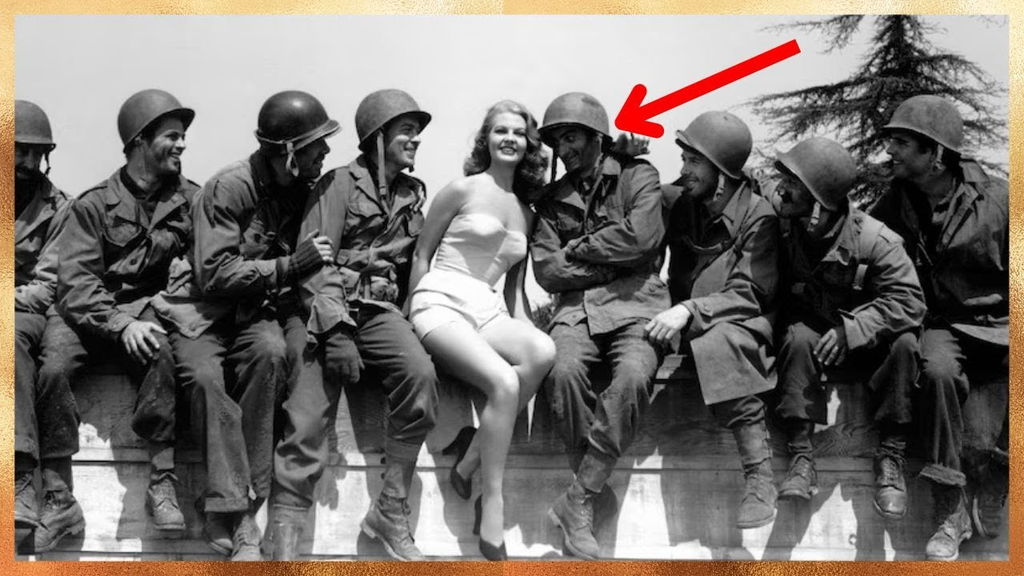
In 1975, Vietnamese orphans were flown to America during Operation Babylift, a wartime evacuation mixing rescue, separation, adoption, political urgency, and uncertain futures after Saigon’s collapse for many children. In 1939, Egypt’s Princess Fawzia Fuad, later Queen of Iran, carried royal elegance and a dynastic marriage linking Cairo and Tehran before politics fractured that alliance within years afterward. In 1955 Rome, Italian actress Marisa Allasio smiles among seminarians in traditional hats, placing film glamour beside Catholic culture, youth, publicity, and postwar Italy’s public imagination in one frame.
In 1925 New York, ballerinas danced high above city streets, turning the skyline into a stage where performance, publicity, modern architecture, and urban spectacle met in midair above crowds. In 1958, Elvis Presley was sworn into the United States Army, pausing rock and roll stardom for military service and reshaping his public image during the Cold War draft era in America. After the 1917 night of terror, a suffragist stands defiant, recalling jailed women beaten for protest as the campaign for American voting rights gained force through public outrage nationwide.
In 1963 Australia, police raced Roman-style motorcycle chariots, a strange contest blending ancient imagery, modern engines, uniformed showmanship, and official humor on wheels for amused crowds in public that day. In 1940, smoke and fighter planes cut across London’s sky, marking the Battle of Britain, where RAF pilots resisted Germany’s campaign for air superiority over southern England that summer. In 1955 Rome, Sophia Loren poses with playful elegance carrying the confidence of post-war Italian cinema as European stars gained glamour, influence, and global attention far beyond Hollywood audiences.
At Joseph Goebbels’ wedding, Adolf Hitler served as best man joining private ceremony with the Nazi inner circle before dictatorship turned public ritual into propaganda and terror for Germany. At Giza in 1917, an oasis rests between palms and desert sand offering wartime soldiers and travelers a quiet pause beside Egypt’s ancient landscape and British military roots nearby. In 1930s Moscow, young women trained in gas masks during civil defense classes preparing for chemical threats as Soviet society absorbed fears of future war and aerial attack across cities.
During wartime blackouts, a woman paints white stripes on her cow helping drivers and neighbors see livestock in darkness after street lights disappeared for safety across vulnerable roads at night. In the early 1980s, Sven-Ole Thorsen and Arnold Schwarzenegger stood on the Conan set helping shape a muscular fantasy film that later became a worldwide cult classic for fans. On the 24th of April, 1945, an American soldier inspects looted art hidden in an Ellingen church, evidence of Nazi plunder uncovered as Germany collapsed under Allied advance in Bavaria that spring.
In a childhood class photo, Adolf Hitler sits among other pupils, a normal schoolboy image made unsettling by the violence, dictatorship, and genocide he later unleashed across Europe afterward. In 1922, Howard Carter and Lord Carnarvon stood near Tutankhamun’s tomb entrance just before discoveries that transformed Egyptology and fascinated the world with ancient royal treasure inside Egypt’s Valley of Kings. At Greyhound Terminal in 1969, passengers relax in futuristic seats with personal televisions and ashtrays, turning waiting time into a vision of convenience, comfort, and modern travel nationwide in America.
Loman poses beside confiscated bison heads in the early 20th century, recording poaching’s damage and the growing conservation efforts that followed after decades of slaughter across the American plains. A French woman strides with a baguette and six bottles of wine, a comic everyday scene rooted in markets, shared meals, street culture, and national rituals of daily pleasure. A 600-year-old medieval hat found in Lappvattnet, Sweden, preserves everyday clothing from northern Europe’s late Middle Ages, linking wool, craft, fashion, and rural life through a rare surviving object.
On the 23rd of May 1945, a New Jersey officer, disguised as a woman to trap attackers, was mistakenly arrested by fellow police, turning a sting operation into unexpected public embarrassment. In February 1945, on Iwo Jima, a K Company Marine flamethrower operator charges toward a Japanese pillbox near airfield number two amid close-range Pacific combat and volcanic battlefield smoke. In 1945, Soviet children presented a carved Great Seal to the US Ambassador, hiding a passive listening device later discovered in 1952 inside Moscow’s Embassy after years of silence.
In 1900, Philadelphia’s main avenue stretched toward City Hall between grand hotels and early skyscrapers, capturing an American city moving from Victorian scale toward modern urban height and density. In 1918 France, Millicent Todd Bingham taught American troops French, reminding soldiers that language, culture, and local contact mattered beside rifles, maps, and trenches during the First World War. In 1910, physicians tested high-frequency current for eye treatment, showing early medicine’s appetite for electrical therapies before modern ophthalmology established safer clinical standards and evidence in hospitals and clinics.
By 1947, in Tokyo, the International Military Tribunal for the Far East was trying 28 Japanese leaders, later sentencing seven to death after wartime atrocities across occupied Asia and the Pacific. In 1944, French Resistance member George Blind faced a German firing squad during a staged intimidation scene. His calm smile became a lasting image of defiance under Nazi occupation in France.
At Martin Luther King Jr. ‘s 1968 funeral, two widows stand together in grief, carrying the weight of assassination, civil rights struggle, and a nation’s unfinished promise of racial justice. In autumn 1942, near Stalingrad, German aviators at Tatsinskaya airfield carry a comrade’s coffin, a small funeral scene inside the Luftwaffe’s growing losses on the Eastern Front that winter.
Secret grenade designs from wartime arsenals reveal military experimentation where engineers tested hidden mechanisms, new materials, and classified ideas for close combat before many weapons reached battlefields in war. In 1936, 10-year-old Princess Elizabeth sits with her corgi Dookie, beginning a lifelong royal attachment to the breed that later became part of her public image as Britain’s queen. In 1944, a young US Navy gunner grips twin machine guns aboard ship.
His fixed stare matching the vigilance demanded by Pacific warfare and sudden air attacks at sea. In Russia in 1908, a Cossack of the Leib Guard Atamansky Regiment stands with officers aboard an ice yacht blending imperial leisure, military presence, and winter sport on ice. At the 1936 Berlin Olympics, American Carla De Vries impulsively kissed Adolf Hitler creating an awkward propaganda era moment amid spectacle, celebrity attention, and Nazi self-presentation before watching crowds worldwide.
Note: Some content was generated using AI tools (ChatGPT) and edited by the author for creativity and suitability for historical illustration purposes.
Để lại một bình luận