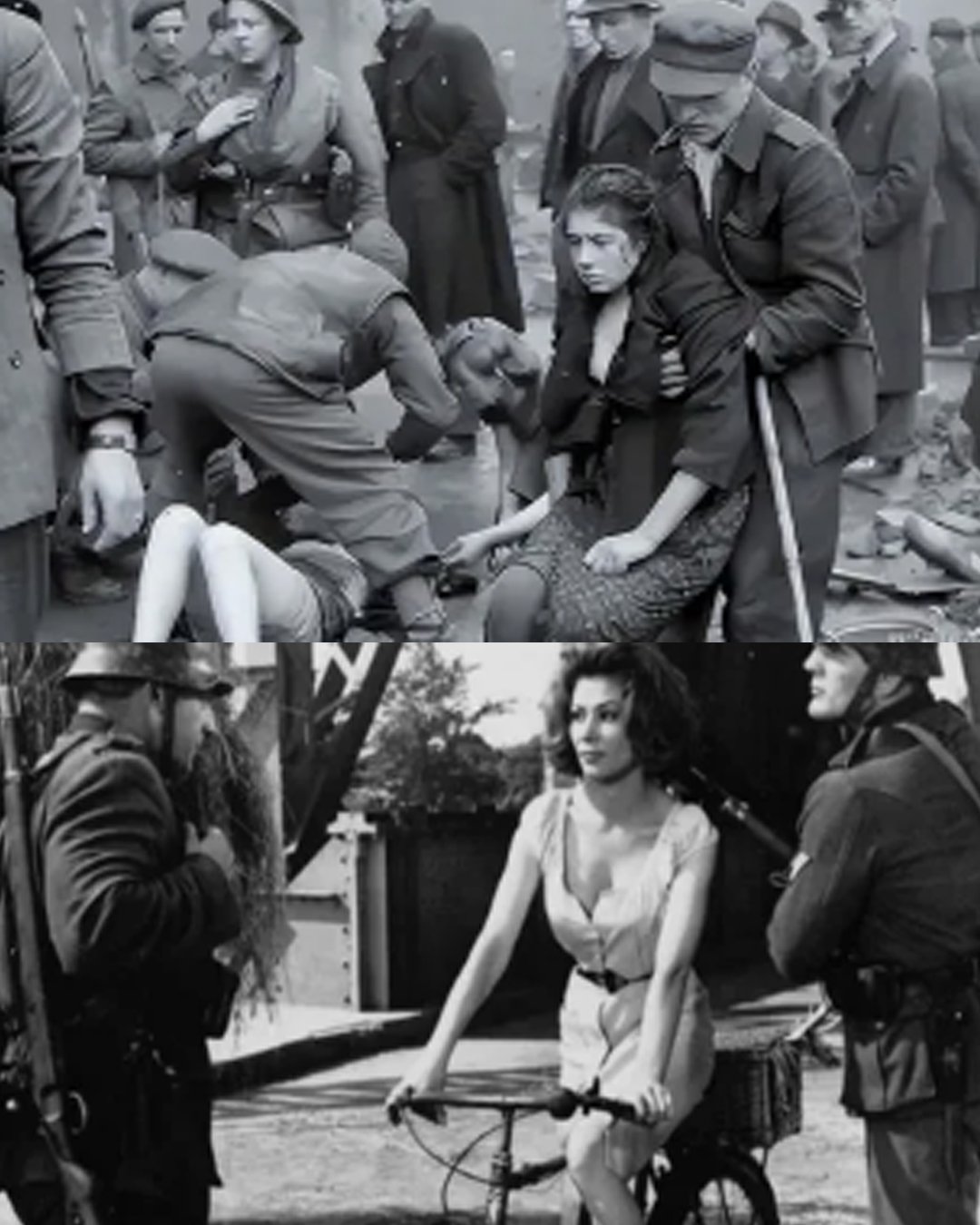
The Photographs History Left in the Shadows: What Can Forgotten Images Really Reveal About War, Censorship, and the Past?
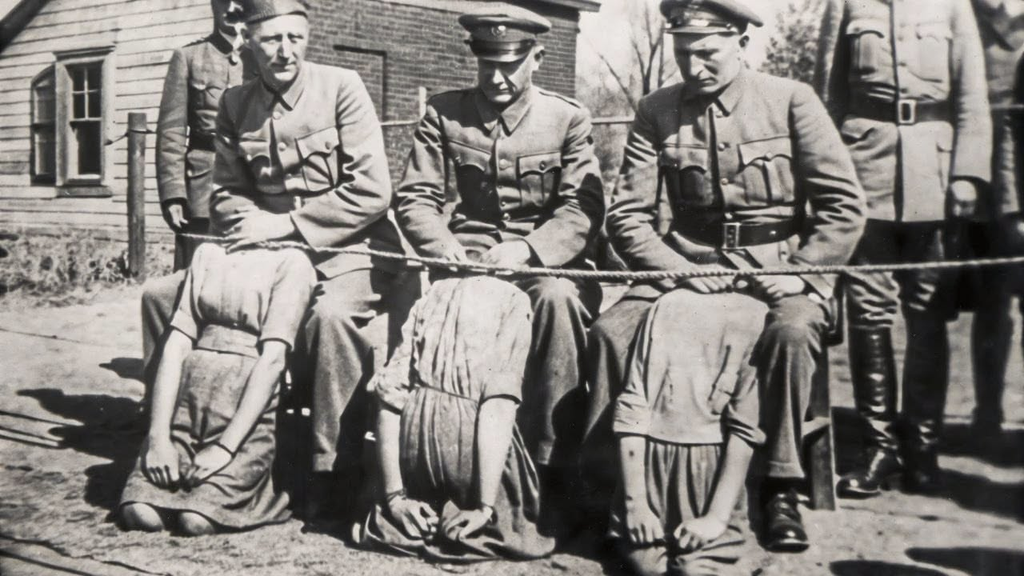
A group of civilians huddles inside a makeshift shelter. Their faces appear tense, their surroundings offer little comfort, and the photograph preserves a moment of vulnerability that official accounts of war can sometimes overlook. According to an account accompanying a collection of allegedly suppressed historical photographs, this image was once withheld by a military censor. But who took it? Where were these civilians sheltering? And was the photograph genuinely banned, or did it simply disappear from public view? Without the original negative, an identifiable archive, or a surviving censorship order, those questions remain unanswered. Yet they lead toward a larger historical issue: how many images of ordinary human lives have survived without the stories needed to explain them?
The history of the twentieth century is often remembered through photographs that have become almost inseparable from the events they depict. Soldiers crossing devastated landscapes. Civilians searching for safety. Crowds gathering in public squares. Political leaders standing before cameras while decisions affecting millions of lives unfold beyond the frame.
Some images became symbols of their time. Others appeared briefly in newspapers before disappearing into archives. Countless more were never published at all.
The reasons varied.
Some photographs were considered unsuitable for publication. Others were restricted by wartime censorship, held in private collections, or preserved in institutions where they remained largely inaccessible to the public. Still others disappeared because their owners died, collections were dispersed, or the circumstances surrounding the images were forgotten.
These different histories matter.
A photograph that was officially prohibited is not the same as one that was never selected for publication. An image withheld for military security reasons is not necessarily evidence of an attempt to conceal wrongdoing. And a photograph discovered decades later in a private collection cannot automatically be described as something the authorities wanted destroyed.
Yet when such images reappear, they often raise the same compelling question.
What does the photograph reveal that the surviving written record does not?

The original account of a collection described as banned old photographs presents a series of unsettling possibilities. It refers to images of civilians and soldiers during wartime, two women dancing together in the 1920s, photographs associated with medical and psychological experiments, and materials supposedly recovered from forgotten archives.
The descriptions suggest stories of censorship, social restrictions, scientific ethics, and the struggle over what societies choose to remember.
But there is a crucial distinction between an evocative description and a verified historical discovery.
The account does not identify the collection by name. It provides no archival catalogue numbers, no photographers’ identities, no confirmed locations, and no documentary evidence establishing that the specific photographs were banned.
Consequently, the individual stories must be treated as unverified descriptions rather than authenticated historical incidents.
That uncertainty does not make the subject meaningless.
Instead, it leads us toward one of the most important questions in the study of historical photography: how can an image become evidence, and what happens when its original context is lost?
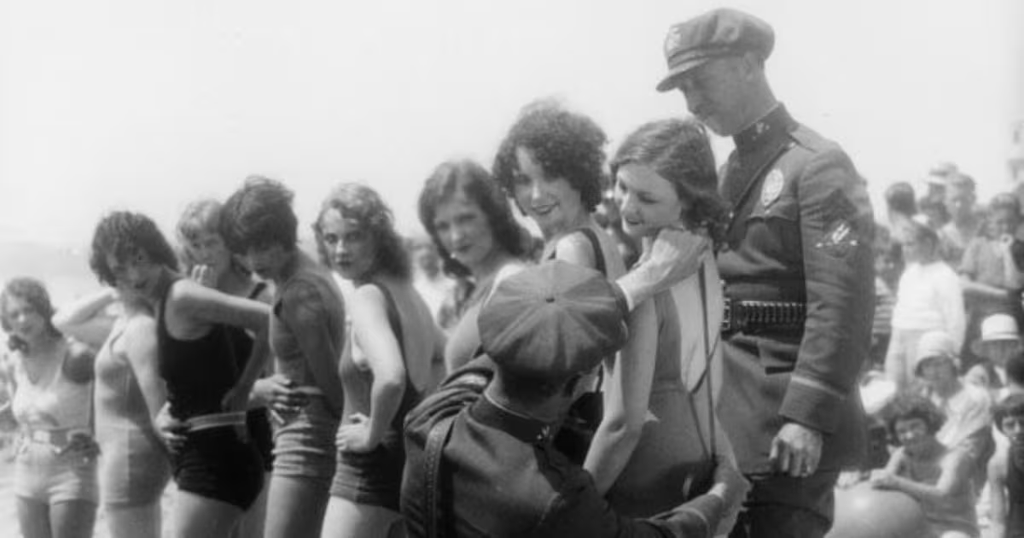
Long before photographs could be copied and distributed instantly, the act of producing and circulating an image involved practical limitations.
Photographers needed equipment, film or photographic plates, suitable conditions, and the means to process their work. Once a photograph existed, it still had to reach an audience.
Editors decided which images appeared in newspapers. Publishers considered political, commercial, and legal pressures. Government authorities sometimes imposed restrictions. Private owners could choose whether to share or conceal photographs.
The public therefore encountered only a portion of the images that had been created.
This was particularly significant during periods of political instability and war.
The First World War, followed by the turbulent interwar years and eventually the Second World War, demonstrated how closely photography could become connected to public opinion, national identity, military information, and the presentation of human suffering.
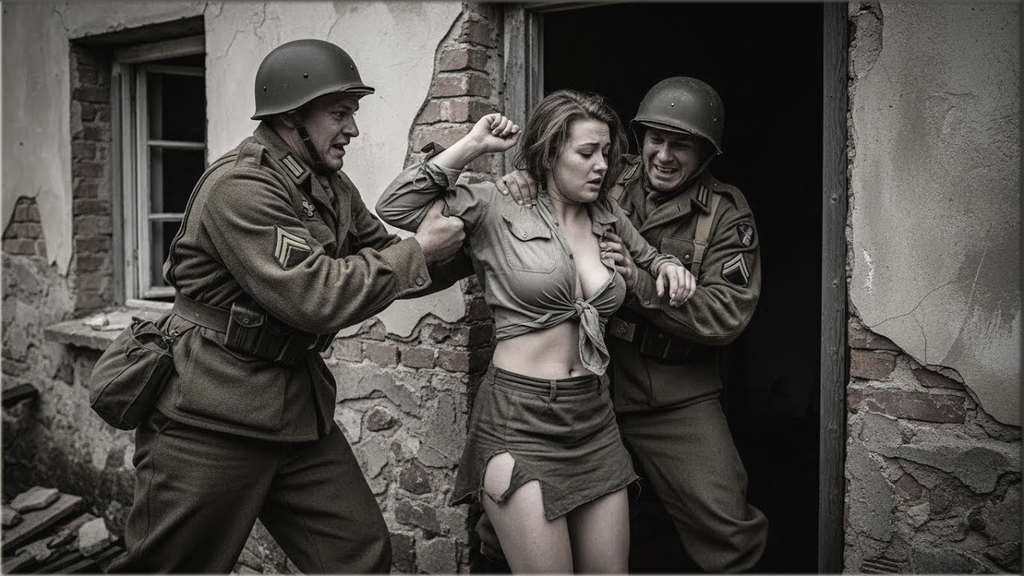
A photograph could communicate something that a lengthy official statement struggled to convey.
The expression on a civilian’s face.
The exhaustion visible in a soldier’s posture.
The destruction of a familiar street.
The displacement of families.
Such images did not necessarily explain why events occurred. But they could make the consequences difficult to ignore.
For governments and military authorities, this visual power created difficult questions about what should be released, what might compromise security, and what could influence public morale.
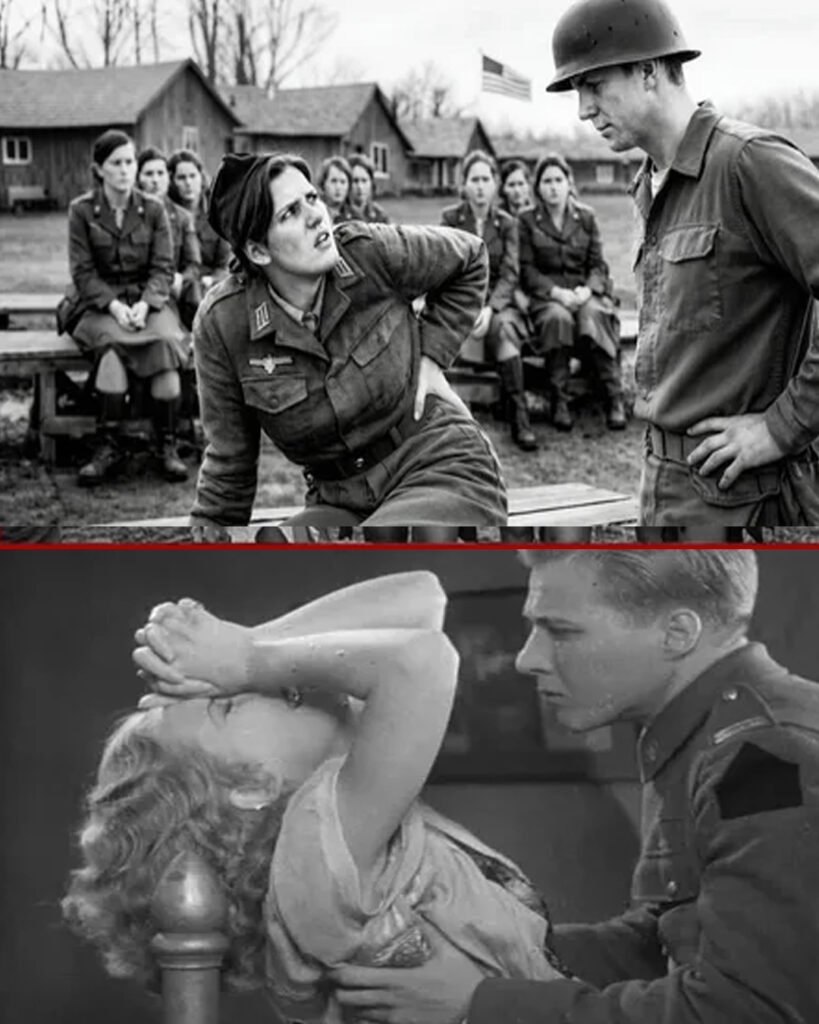
For historians, it creates a different challenge.
A photograph may preserve a genuine moment while telling only a fragment of the truth.
And sometimes, the missing information is as important as the image itself.
Consider the photograph of civilians in a makeshift shelter described in the original account.
The image reportedly shows people gathered closely together, their expressions suggesting fear and determination. The accompanying story claims that a military censor prevented its publication because it exposed the human cost of war.

If authenticated, such a photograph could provide valuable evidence of civilian experiences during a particular conflict.
But without a date or location, even the basic historical setting remains uncertain.
Was the photograph taken during the First World War, the Second World War, or another conflict?
Were the people sheltering from bombardment, fleeing military operations, or temporarily displaced for some other reason?
Did a censor actually prohibit publication?
And if so, what reason was recorded?
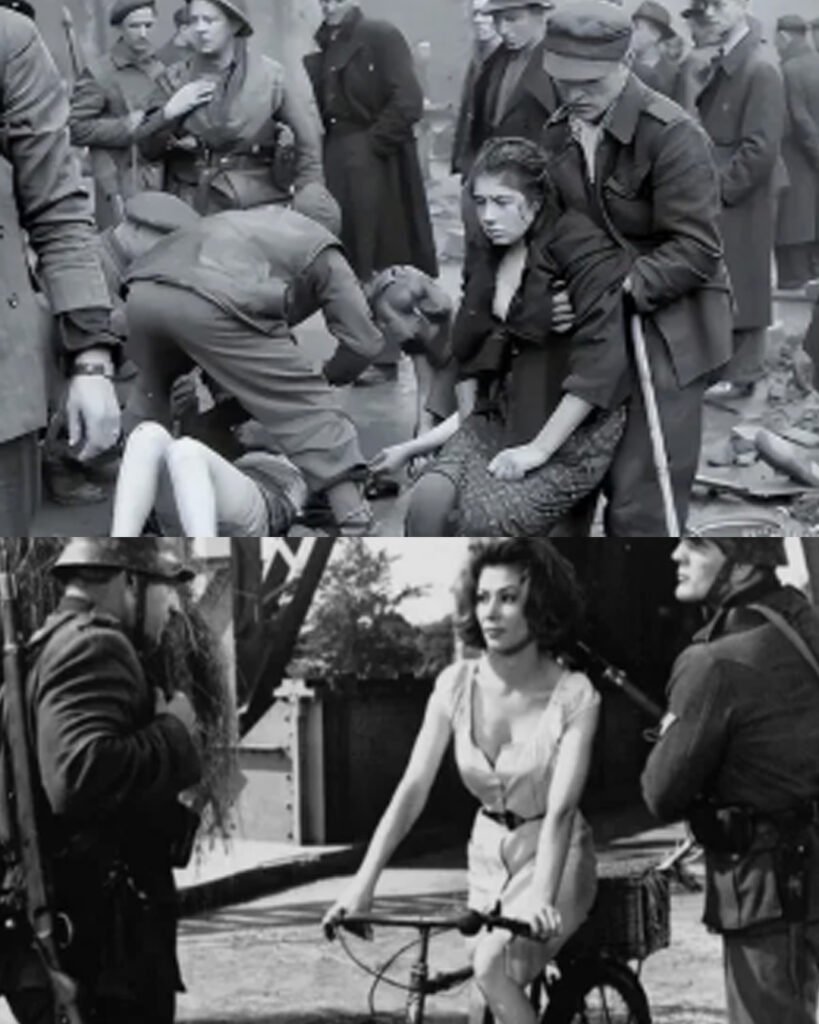
These questions cannot be answered simply by looking at the faces.
The image might convey vulnerability, but it cannot independently establish the administrative decisions surrounding its publication.
That is why the difference between what a photograph visibly records and what a later caption claims is so important.
The camera may have captured civilians in a shelter.
The claim that authorities banned the image requires separate evidence.
A surviving censorship instruction, a dated correspondence between an editor and a government office, or a reliable archival record could help establish that history.
Without such material, the responsible conclusion is that the censorship claim remains unconfirmed.
Yet the broader historical context is real.
During the Second World War, civilian populations across numerous countries experienced air raids, displacement, occupation, shortages, and other profound disruptions.
For many, the war was not an abstract contest between armies.
It entered homes, workplaces, schools, and neighborhoods.
The consequences reached people who had never worn a military uniform.
Photographs of civilian shelters, evacuation centers, damaged buildings, and temporary accommodation can therefore be important historical sources when their origins are established.
They reveal aspects of wartime experience that military maps and operational reports cannot fully communicate.
A military report might describe the outcome of an operation.
A civilian photograph might show part of the human environment in which that operation occurred.
Neither source tells the complete story.
Together, however, they can offer a more substantial understanding of the past.
This is also why the preservation of photographs matters beyond their immediate visual impact.
When a photograph survives without its caption, date, or provenance, historians lose the ability to connect it confidently to a particular event.
A group of civilians becomes an unidentified group.

A shelter becomes an unidentified location.
An expression becomes open to interpretation.
And a potentially valuable historical document risks becoming little more than an evocative illustration.
The problem becomes even more pronounced when photographs circulate with dramatic claims that cannot be traced to their original sources.
An image may be genuine while its caption is wrong.
A photograph taken during one conflict may be presented as evidence of another.
A scene originally documented for ordinary administrative purposes may later be described as secretly suppressed.
These possibilities do not justify dismissing every unusual historical photograph.
They demonstrate why careful verification is essential.
The original account introduces another wartime image: soldiers standing silently in a field, their uniforms torn and their expressions described as hollow.
The photograph is said to have been absent from contemporary newspapers because it revealed too much about the human cost of conflict.
Again, the visual description is powerful.
A group of exhausted soldiers can communicate the physical and emotional strain associated with military service without showing combat itself.
The contrast between public images of disciplined military formations and photographs of visibly weary personnel can be striking.
But the alleged reason for nonpublication cannot be established from appearance alone.
There are many possible explanations for why a particular image did not appear in newspapers.
An editor may never have received it.
The photographer may have retained it privately.
The image may have been considered technically unsuitable.
Its publication may have been restricted.

Or it may have been printed somewhere that has not yet been identified.
Only documentary evidence could distinguish between those possibilities.
Nevertheless, the description points toward an important historical reality.
The experience of soldiers during the world wars was far more complex than the simplified images sometimes used to represent military service.
Behind uniforms and military formations were individuals exposed to fatigue, uncertainty, separation from family, and the pressures of dangerous circumstances.
Their experiences differed enormously depending on where they served, what they witnessed, and the conditions they endured.
A photograph of soldiers standing in a field cannot reveal their private thoughts.
It cannot tell us whether they were preparing for an operation, returning from one, waiting for orders, or simply pausing during an ordinary military routine.
But when a photograph is properly identified, it may contribute to a wider historical understanding of those circumstances.
This is where photography can become especially valuable.
Not because it automatically reveals hidden truth, but because it preserves details that might otherwise be absent from written accounts.
A damaged uniform may help identify conditions of service.
Equipment may help establish the military context.
The landscape may provide clues about location.
A photographer’s notes may connect the scene to a known unit or operation.
Each verified detail can bring the image closer to its original meaning.
And sometimes the most revealing discoveries are not dramatic at all.
They may consist of a date written on the back of a print, a unit identification, or a surviving letter explaining where the photograph was taken.
The movement from uncertainty toward evidence is often slow.
But it is precisely that process that separates historical research from speculation.
The collection described in the original account then moves beyond the battlefield.
One of its most striking examples is a photograph said to have been taken during the 1920s.
It reportedly shows two women dancing together in a dimly lit club.
Their hands are clasped, and their attention appears focused on one another.
According to the accompanying narrative, local authorities considered the image immoral and confiscated it.
The account interprets the photograph as evidence of affection and identity surviving despite social restrictions.
There is an important human story suggested by that description.
But the specific circumstances remain unverified.
No city is identified.
No photographer is named.
No confiscation record is supplied.
And no information establishes the legal or social rules governing the particular location where the photograph was supposedly taken.
The 1920s were not a single, uniform social environment.
Attitudes toward gender, public behavior, dancing, sexuality, and nightlife differed across countries, communities, and institutions.
The meaning of two women dancing together could also vary depending on the setting and the people involved.
A photograph alone cannot establish their relationship or personal identities.

Nor can it prove that authorities confiscated the image.
Yet the broader subject remains historically significant.
Photography can preserve forms of social life that were overlooked, marginalized, or poorly represented in official records.
Images of informal gatherings, private relationships, cultural activities, and everyday interactions may provide important evidence of how people lived beyond the boundaries of formal institutions.
Such photographs can be especially meaningful when written testimony is limited.
But their interpretation requires care.
The historian must avoid replacing an absence of evidence with a story that feels emotionally satisfying.
Two people holding hands may suggest closeness.
It does not establish everything about their relationship.
A photograph found in a private archive may indicate that it was preserved privately.
It does not, by itself, prove that it was legally prohibited.
These distinctions may seem small.
But they are fundamental to protecting the integrity of historical memory.
A photograph becomes more valuable when its limitations are understood, not when those limitations are concealed.
The next group of images described in the original account raises another difficult issue: the ethics of scientific and medical research.
The account refers to photographs allegedly documenting experiments conducted without consent, as well as studies intended to influence public opinion.
One particular series is said to show children seated in a classroom, with their desks arranged in a configuration later associated with a psychological study.
According to the narrative, the study’s findings were considered too damaging to publish, and the photographs remained in storage for decades before being discovered by a researcher in a university basement.
The images were supposedly found in a box marked for disposal.

It is a compelling description.
An ordinary classroom becomes the setting for questions about authority, research, and the vulnerability of children.
A forgotten box suggests that valuable records might have come close to being lost.
But none of the identifying details needed to authenticate this specific story are provided.
There is no university name, researcher’s identity, study title, publication record, or documented explanation for why the photographs were stored.
The arrangement of classroom desks cannot establish the existence of an unethical psychological experiment.
Nor does storage in a university basement prove deliberate suppression.
For those reasons, the incident must remain an unverified account rather than a confirmed episode in the history of research.
Nevertheless, it raises a legitimate historical concern.
Scientific and medical research has not always operated according to the ethical standards expected today.
During the twentieth century, questions surrounding informed consent, institutional power, and the protection of research participants became increasingly important.
The Second World War was especially consequential for the development of modern research ethics.
The prosecution of Nazi physicians and officials after the war exposed grave abuses committed in the name of medical experimentation.
The Nuremberg Code, formulated in 1947 following the Doctors’ Trial, articulated principles emphasizing voluntary consent and the responsibilities of researchers.
This is a documented historical development, distinct from the unidentified classroom photographs described in the original account.
The distinction matters.
The historical record supports serious discussion of unethical experimentation and the development of research protections.
It does not automatically authenticate every photograph later associated with such practices.
When an image is presented as evidence of misconduct, the burden of verification becomes particularly important.
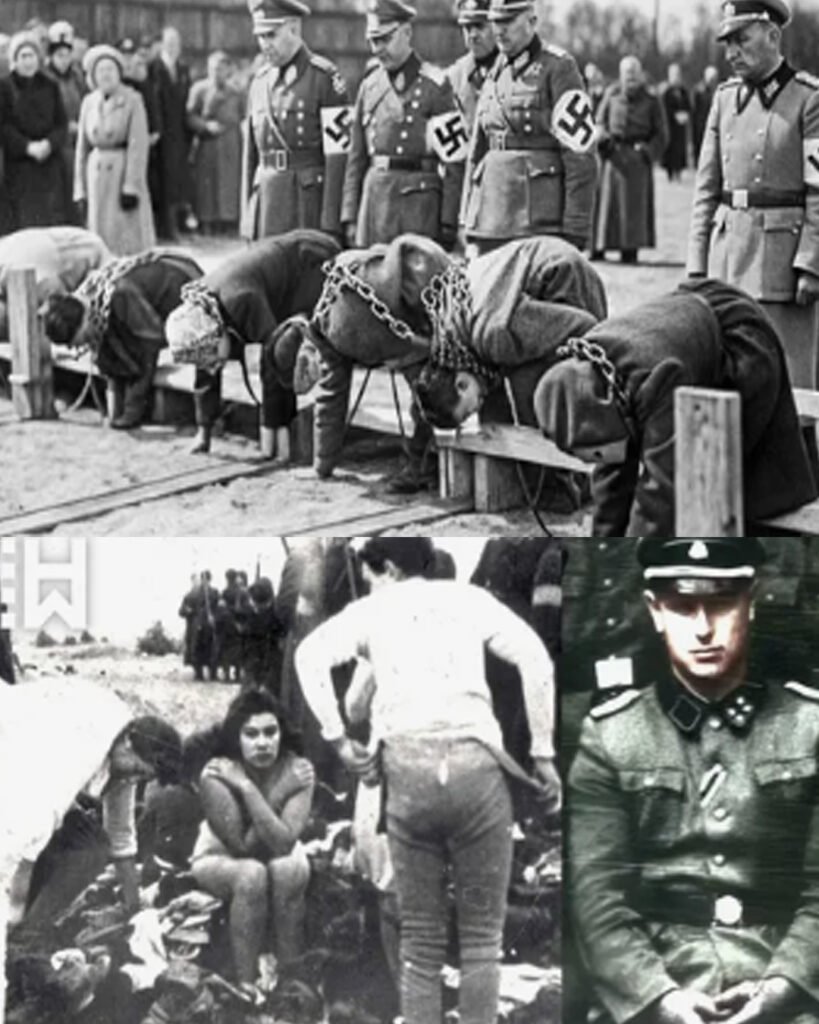
A misleading attribution can distort public understanding.
It may also obscure the experiences of people whose suffering is already documented through reliable sources.
Responsible historical storytelling must therefore distinguish between established abuses and allegations attached to unidentified images.
The same principle applies to photographs of wartime atrocities.
Images documenting persecution, displacement, imprisonment, and the consequences of military violence can be essential historical evidence.
But their use requires accurate attribution and appropriate context.
The goal should be understanding and remembrance, not shock for its own sake.
An image of suffering does not become more historically meaningful because its caption is more dramatic.
Its value comes from what can be established about the event, the people involved, and the circumstances in which it was created.
That understanding also affects how photographs should be displayed.
The original account describes archivists, historians, and private collectors spending years tracing leads, negotiating with owners, and reconstructing incomplete stories.
It mentions photographs allegedly recovered from old cabinets, envelopes, concealed spaces, and abandoned buildings.
These descriptions evoke the slow and uncertain process through which historical material can sometimes return to public attention.
However, without identification of the collection or its custodians, they cannot be treated as a verified account of one particular archival discovery.
What can be discussed with confidence is the broader work of photographic preservation.
Old photographs are vulnerable objects.
Paper prints may fade.
Emulsions can deteriorate.
Negatives may become damaged through unsuitable storage.
Moisture, temperature fluctuations, handling, and chemical instability can threaten materials that have survived for decades.
Even when an image remains visually recognizable, its supporting information may already have disappeared.
A photograph without provenance presents a difficult challenge.
The archivist may be able to preserve the physical object.
The conservator may be able to stabilize its condition.

Digital scanning may make it easier to examine and share.
But none of those processes automatically restores the missing history.
A clear digital reproduction is not the same as a complete historical record.
The original photographer may remain unknown.
The subjects may never be identified.
The location may be impossible to establish.
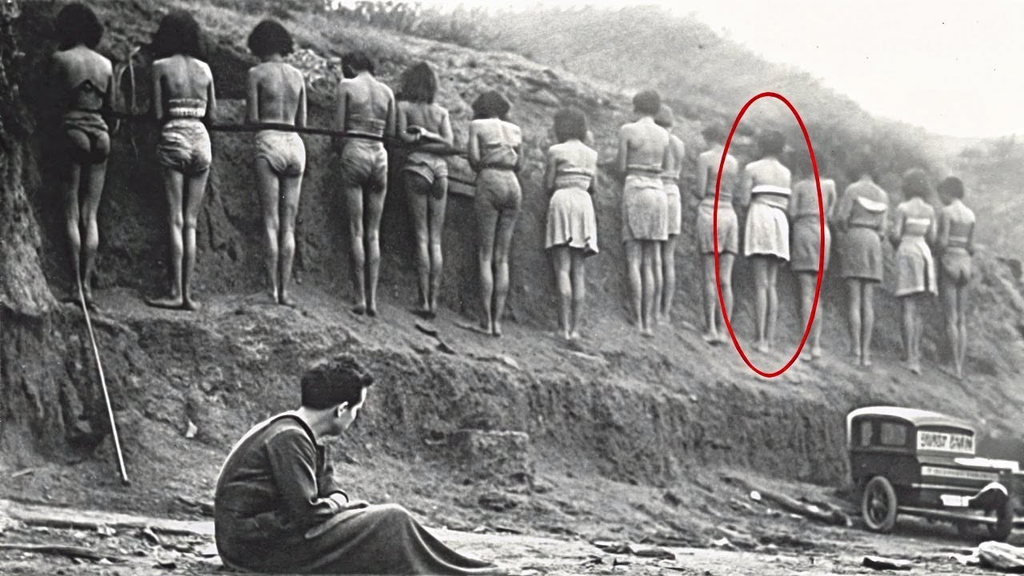
And the reason an image remained unpublished may be lost permanently.
This is one of the quieter tragedies of historical preservation.
Sometimes the photograph survives, but the knowledge needed to understand it does not.
That loss can be particularly significant for images associated with war.
During periods of conflict, records may be dispersed, destroyed, or separated from the people who created them.
Families may lose possessions while fleeing danger.
Photographers may be unable to preserve their notes.
Institutions may relocate collections.
Political changes may alter access to archives.
As a result, even genuine historical photographs can emerge decades later with incomplete documentation.
The challenge is not simply to make the images visible.
It is to recover as much of their context as the surviving evidence allows.
And where that context cannot be recovered, uncertainty should remain visible.
The original narrative suggests that some photographs were hidden because they threatened powerful institutions or challenged official versions of events.
That possibility deserves consideration, but it cannot be applied automatically to every image described as banned.
Censorship has existed in many different forms.
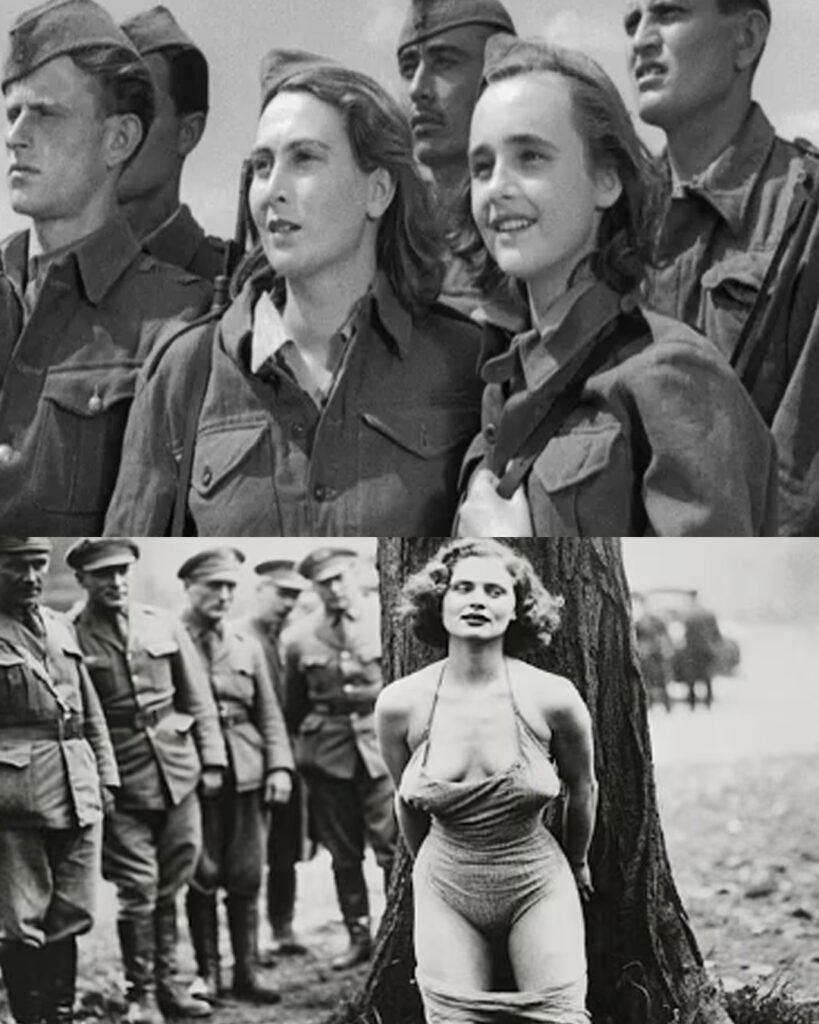
From my perspective, the most powerful lesson of these forgotten and allegedly suppressed photographs is not that every hidden image conceals a great secret. It is that historical memory is fragile, incomplete, and shaped by the survival of evidence. The responsibility of later generations is not merely to uncover photographs, but to understand them without distorting the lives they depict. Sometimes, the most meaningful act of remembrance is to acknowledge that a person was there, that their experience mattered, and that the surviving record does not tell us everything.
When a historical photograph reappears after decades of obscurity, what do you believe matters most: the possibility that it reveals a forgotten truth, or the responsibility to verify its story before passing it on to future generations?
“Some content was generated using AI tools (including ChatGPT) and edited by the author for creativity, storytelling, and historical illustration purposes. Historical facts and key details should be verified against reliable historical sources. Any AI-generated or reconstructed visuals are intended for illustrative purposes and should not be interpreted as original historical photographs or archival evidence.”
Để lại một bình luận