

For the rest of the roster, opportunities to challenge will be limited, at least early on, as the team adjusts to the system during regular-season play.
Speaking to the media, Schneider explained that there’s already a defined hierarchy in place for who can and cannot use the new instant-replay challenge system.
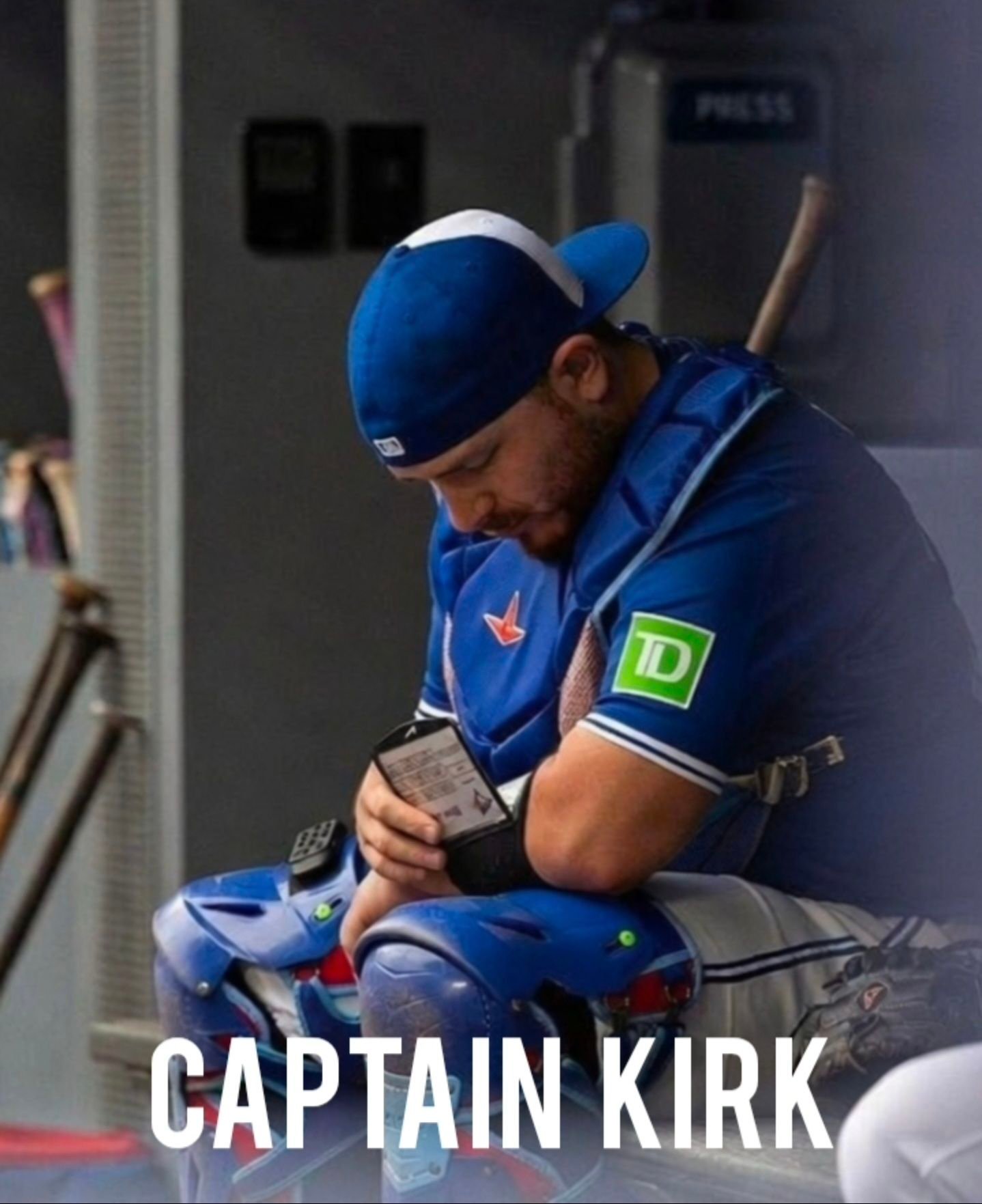
«Right now, probably Schneid and Kirky have got the green light to challenge,» said John Schneider when asked about it on Feb. 12. «I think it’s really going to help a few guys, honestly, that we have on our team. «George commands his zone really well. I’ve learned to know when and when not to believe Vladimir on a called strike or out/safe call.»
How does the new Automated Ball-Strike System (ABS) work?
The ABS system allows a batter, pitcher, or catcher to immediately challenge a home-plate umpire’s strike-zone ruling, without input from the dugout.
Each team begins a game with two challenges (with additional ones available in extra innings), and teams retain successful challenges. That element of strategy is something Schneider is already weighing carefully.
«I think the biggest thing is, when you’re using it, is it really a good time to do it?» asked John Schneider rhetorically. «What’s the base state? What’s the pitcher’s pitch count? How high leverage is this spot right here? So those are things we’ve got to address.»
To prepare, the Blue Jays plan to simulate challenges in-stadium before the season starts.
«We’re going to have some dry runs at the stadium next week on the video board,» said Schneider, noting that all challenges will be shown on MLB scoreboards. «It’ll probably take a little bit of time, but we’re going to do everything we can to try to get some real live reps and get guys knowledgeable of what is and is not a strike for them.»
The challenge system has been tested in the minor leagues since 2022 and appeared in spring training last year, giving Davis Schneider valuable firsthand experience.
«I love it as a hitter. It’s a true strike zone, too,» he said. «There’s some kinks that sometimes it might not always be exact or something like that, but I liked it.
«I feel like it’s a true strike zone. You’re not going to have a human element in it, which I think is the right way. A strike should be a strike. A ball should be a ball.»
While hitters and catchers are expected to take the lead, some clubs including Toronto, are discouraging pitchers from initiating challenges.
«When we were talking about it in the off-season, we were talking about trying to take as much power out of the pitcher’s hands (…) and let the catchers and hitters kind of drive the challenges,» said John Schneider.
«I think when guys do get to see it and really get a baseline of what the top of the zone is, what the bottom of the zone is, I think that that’ll be beneficial.»
Kirk, widely regarded as one of baseball’s top pitch framers, said he intends to be selective.
«If I see an opportunity, of course I’m going to do it,» said the catcher through translator Hector Lebron. «But I’m not going to make major changes on that, on challenging or not. «I’m just going to follow the plan with my pitcher, and if I see something that I know is going to be decisive, then I’ll challenge.»
Davis Schneider said that he and Kirk’s mastery of the strike zone goes beyond having a sense of its dimensions, their height is also a factor.
Previously on Blue Jays Central
| POLL | ||
| FEVRIER 25|155 ANSWERSAlejandro Kirk, Davis Schneider to lead charge on ABS challenges for the Toronto Blue JaysDo you think Alejandro Kirk and Davis Schneider are good choices to lead the ABS challenges? |