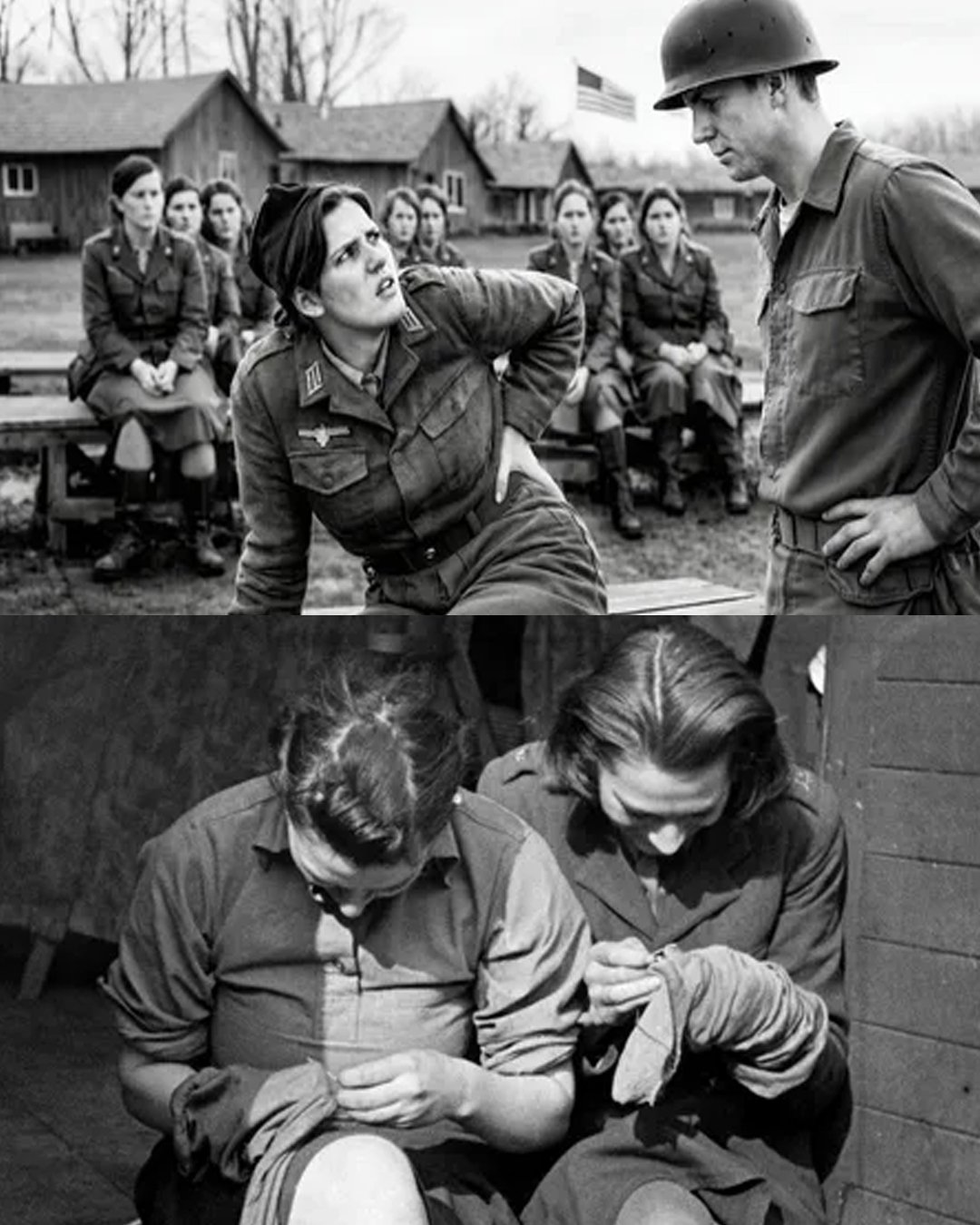
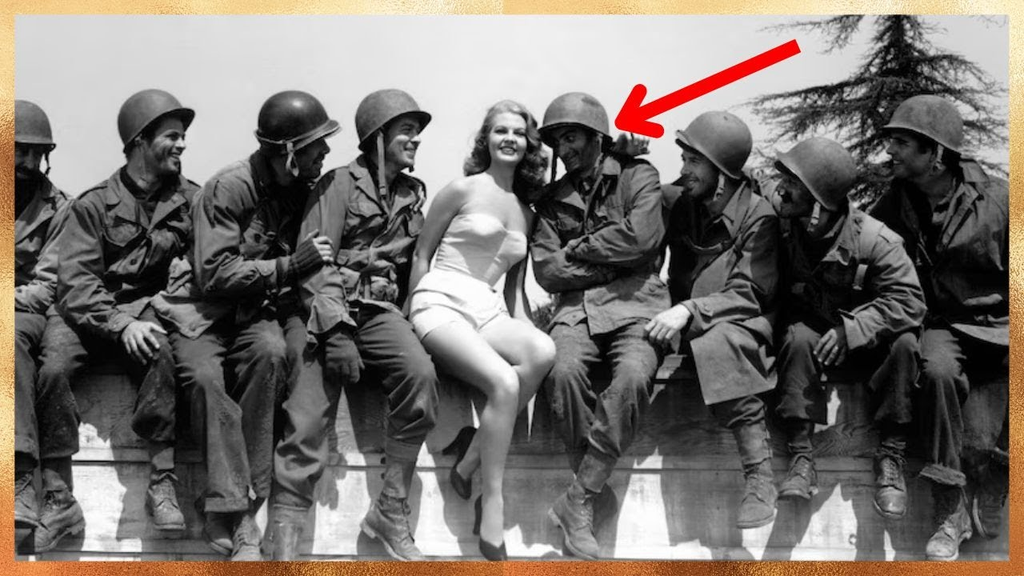
In the spring of 1945, Allied soldiers entered places that revealed a reality many people could scarcely comprehend.
Behind the gates of Nazi concentration camps, photographs began recording evidence that would become part of the historical record of the Second World War.
The cameras captured more than ruined buildings or abandoned belongings. They recorded survivors, the conditions in which prisoners had been held, and the consequences of crimes that could no longer be dismissed as distant reports. For the photographers, these were not simply images intended to fill newspaper pages. They were records of what had been found. Decades later, some historical photographs would become famous, while others remained in archives, family collections, and forgotten albums. But the most important question was never merely why these images were disturbing. It was what the world was supposed to do after seeing them.
The title 100 Unsettling Images From History You Weren’t Meant to See! promises a journey into the darker corners of the past. It evokes photographs that appear too uncomfortable for ordinary viewing: the aftermath of war, the faces of prisoners, the consequences of disasters, and moments that challenge the reassuring stories societies sometimes tell about themselves.
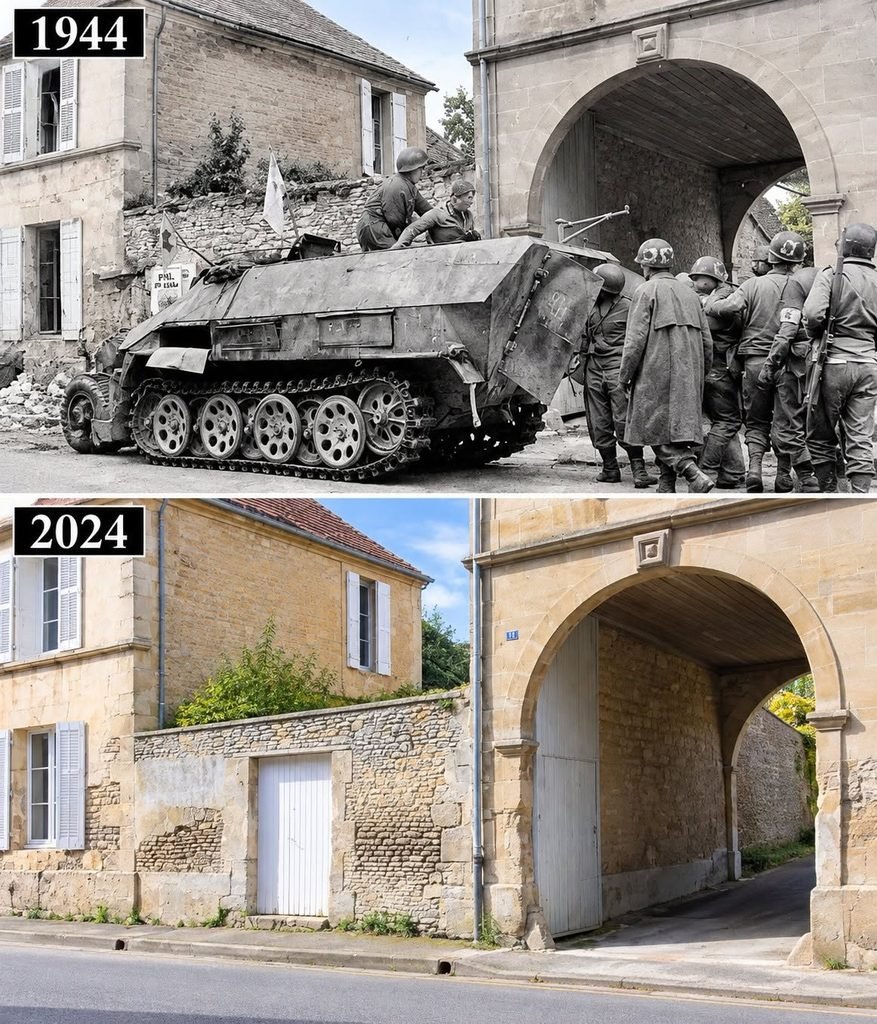
There is an immediate temptation to imagine that every such photograph was deliberately hidden. The language of forbidden images encourages that interpretation, suggesting secret files, suppressed evidence, and truths that someone powerful wanted to keep from public view.
History, however, is rarely so simple.
Some photographs were restricted for military-security reasons. Others were withheld because of privacy concerns or the wishes of families. Some were difficult to publish because of their graphic content. Still others survived without attracting widespread attention until an archivist, researcher, veteran, or family member brought them to light.
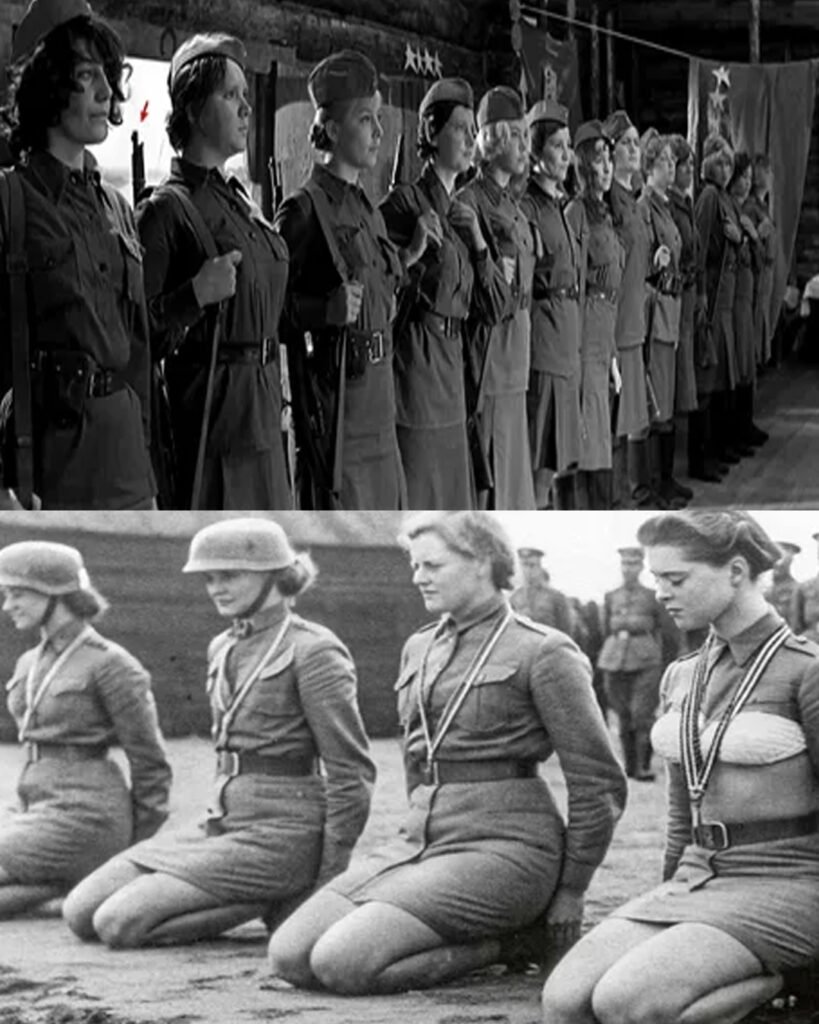
These different histories matter. A photograph that was deliberately censored tells one story about power and information. An image preserved in a private album tells another. A photograph that became famous only years after the event may reveal how societies gradually confront evidence they once struggled to understand.
The history of unsettling photography is therefore not simply a catalogue of disturbing scenes. It is a history of what people recorded, what authorities permitted others to see, and how later generations learned to interpret the evidence left behind.
The Second World War provides some of the clearest examples of why these questions matter. Between 1939 and 1945, military photographers, journalists, and private individuals recorded enormous numbers of images. They documented soldiers in training, equipment and military installations, battles, transportation networks, industrial production, and life on the home front. The United States National Archives preserves millions of photographs relating to the First and Second World Wars, reflecting the scale of the visual record created during these conflicts.

Yet the existence of millions of photographs did not mean that the public could see every image immediately.
Wartime photography operated under practical and political constraints. Military authorities had reasons to protect information about troop locations, new equipment, intelligence operations, and preparations for future attacks. Images that revealed such details could potentially assist an enemy. Photographs of casualties also raised questions about dignity, privacy, and the consequences of showing death to families and the wider public.
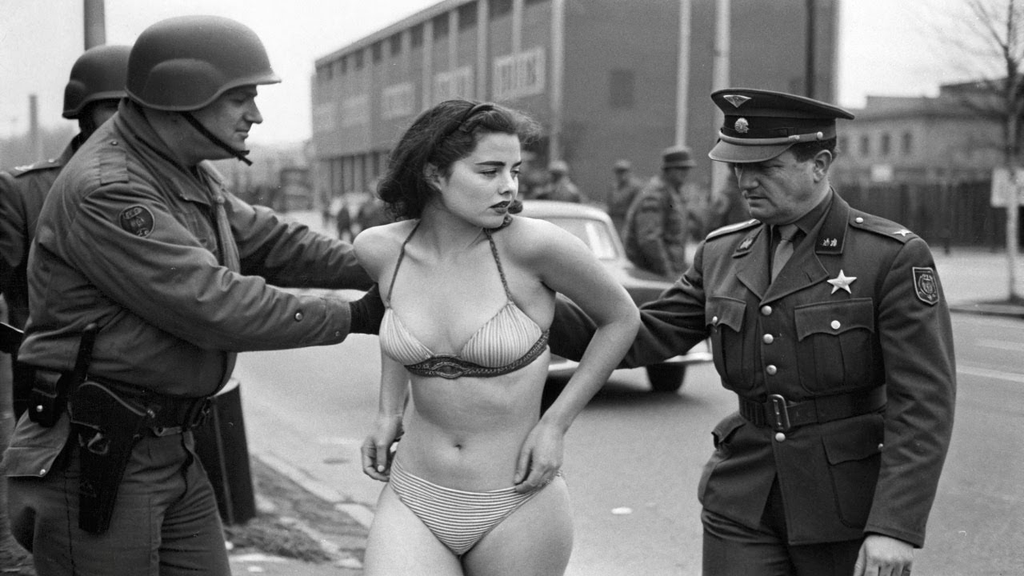
The United States National Archives documents restrictions that applied to certain categories of wartime photographs, including images revealing sensitive military information and some photographs of dead or injured American personnel. Medical images and photographs considered embarrassing to individuals or the military could also face restrictions.
This is an important distinction. Wartime censorship was real, but it did not operate for one universal reason. Protecting military operations, respecting families, controlling public morale, and avoiding embarrassment were different motives, even when they resulted in images being withheld from publication.
The camera, in other words, did not stand outside the machinery of war. It was part of it.
A military photograph might begin as a record for official use, move through an approval process, and eventually reach a newspaper or archive. Other images might remain in personal possession. Some would be copied, mislabeled, or separated from the information that explained where they had been taken. The fate of an individual photograph could depend on its subject, its creator, its intended audience, and the records that survived alongside it.
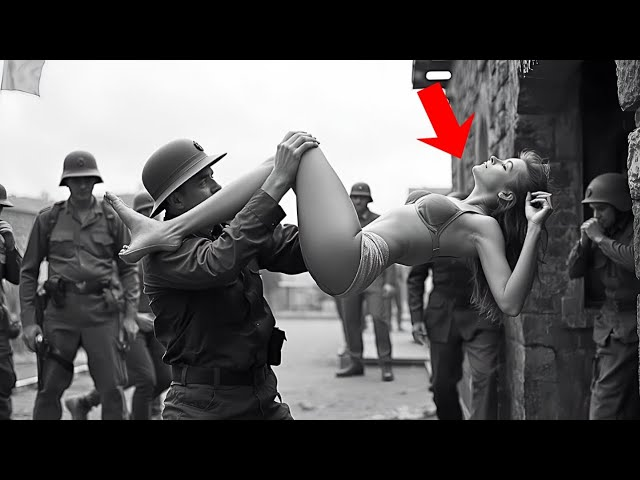
For the people standing before those cameras, none of this necessarily mattered at the moment the shutter clicked. A soldier might be thinking about the next movement of his unit. A civilian might be trying to reach safety. A medical worker might be concentrating on the task in front of them. A prisoner might have no control over whether a photograph was taken at all.
Decades later, those brief moments could become evidence examined by historians, investigators, and visitors to museums.
But the most consequential photographs were not always those showing combat itself. Sometimes the most difficult images to confront were taken after the fighting had moved elsewhere, when the consequences of decisions made far from the people suffering them became visible.
In April 1945, Allied forces entered Nazi concentration camps and encountered evidence of systematic persecution, imprisonment, starvation, forced labor, and mass murder. The photographs taken during the liberation of these camps became an essential part of the visual record of Nazi crimes.
The United States Holocaust Memorial Museum preserves extensive collections of liberation photography, including images taken by military photographers and other witnesses. The museum explains that many photographs circulated widely after the war, while veterans and their families continue to uncover additional images connected with the liberation of the camps. <Cite refs={[“turn512471search1″,”turn512471search3”]}/>
The photographs were not all created under the same circumstances. Some were taken by official military photographers. Others were made by individual soldiers who had access to cameras. Many images later found in private collections were copies of photographs originally produced by military photographic units.
Their histories remind us that an image can survive through several different paths before reaching the public. A photograph might be taken for documentation, copied for distribution, preserved as a personal record, and rediscovered many years later. Its significance may remain unchanged even as the people who first handled it disappear from living memory.

The images from the liberated camps were particularly important because they provided visual evidence of conditions that could otherwise be denied, minimized, or reduced to abstract statistics.
Words can describe a crime. Documents can record a policy. Testimony can preserve the memories of survivors and witnesses. Photographs add another form of evidence by showing physical places, visible conditions, and human beings who endured the consequences.
No single photograph can explain the entire Holocaust. No camera could record every victim, every act of persecution, or every decision that made the crimes possible. Yet the images taken in 1945 formed part of a wider body of evidence that confronted the world with the reality of Nazi atrocities.
For those viewing the photographs after the camps were liberated, the difficulty was not merely emotional. It was historical and moral. What should be done with evidence that is necessary to understand a crime but painful to look at? Should such photographs be published widely, or should their circulation be limited to protect the dignity of the victims?
There was no simple answer that applied to every image.
Some photographs needed to be preserved for investigation and historical research. Others became part of public education, helping people understand the scale and nature of Nazi crimes. Museums and archives later faced the continuing responsibility of presenting this material accurately, providing context, and considering the impact on visitors.
The images themselves did not explain every aspect of what had happened. Viewers needed information about the camps, the people imprisoned there, the policies of the Nazi regime, and the circumstances in which the photographs were taken. Without that context, even a genuine photograph could be misunderstood or reduced to a shocking visual detached from its historical meaning.
This is why archival captions and provenance are so important. The date, location, photographer, and circumstances of an image help establish what it actually documents. When these details are missing, researchers must compare the photograph with other evidence rather than rely on appearance alone.

The distinction becomes especially important when images circulate online, where a dramatic caption may travel much faster than the historical research needed to verify it.
A photograph of a camp may be presented as showing one location when it actually depicts another. An image taken during one stage of liberation may be assigned an incorrect date. A genuine wartime photograph may be altered or cropped until the original context becomes difficult to recognize.
Such errors do not always result from deliberate deception. They can emerge through repeated copying, incomplete cataloguing, mistaken identification, or the assumption that a familiar-looking image must belong to a particular event. But once an incorrect caption becomes widely shared, correcting it can be difficult.
The lesson is not that photographs should be distrusted. It is that they deserve the same care as other historical evidence.
And there is another issue that cannot be ignored: the people shown in the images were not merely evidence.
They were human beings.
The survivors photographed in the liberated camps had lived through persecution and imprisonment. Their identities, family relationships, and personal histories were often more complex than any caption could convey. Some would later share their experiences publicly. Others might have chosen privacy or found that recounting the past remained difficult.
A photograph preserves an appearance, but it does not grant the viewer ownership of the person’s entire story. The responsibility to remember must be balanced with respect for those whose suffering is being documented.
This does not mean that disturbing images should automatically be hidden. Concealing evidence can also carry consequences, particularly when the images help establish the truth about crimes that perpetrators or later observers might deny. Rather, the question is how to present them with accuracy, dignity, and a clear educational purpose.
The United States Holocaust Memorial Museum’s collections demonstrate how photographs can be used to document Nazi crimes while providing historical context and identifying information where available. The institution also continues to seek photographs and other materials from veterans, survivors, families, and eyewitnesses, recognizing that important records may remain in private hands.

This ongoing search offers a powerful reminder that historical preservation is not a completed task. New material can emerge long after the events themselves have passed out of living memory.
A veteran’s family may discover an envelope of photographs while sorting through personal belongings. An old album may contain images whose subjects have never been identified. A collection may be donated to an archive after decades in private possession. Each discovery creates an opportunity to add detail to the historical record, although not every photograph will yield a complete explanation.
The word unsettling can describe the emotional reaction such images provoke, but it can also describe the way they disturb familiar assumptions.
A photograph of an empty room may become disturbing when researchers establish that it belonged to a place associated with a notorious crime. A portrait may acquire new significance when the identities of the people pictured are discovered. A group photograph may seem ordinary until another record reveals that the people in it experienced a historical catastrophe soon afterward.
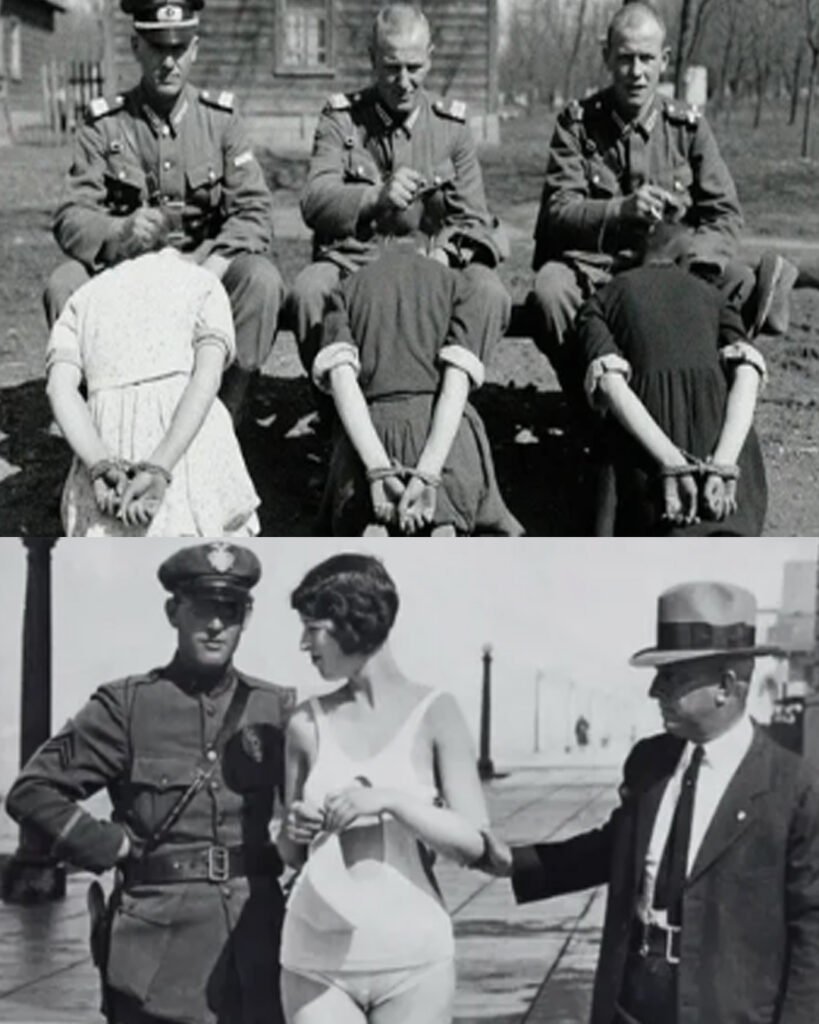
In these cases, the image itself may contain nothing visibly shocking. Its power comes from the relationship between what the viewer sees and what the viewer knows.
This distinction helps explain why some historical photographs remain memorable long after their initial publication. Their meaning changes as new information becomes available. A face that once appeared anonymous may acquire a name. A location may be connected to a documented event. An apparently ordinary scene may become a record of a world on the brink of transformation.
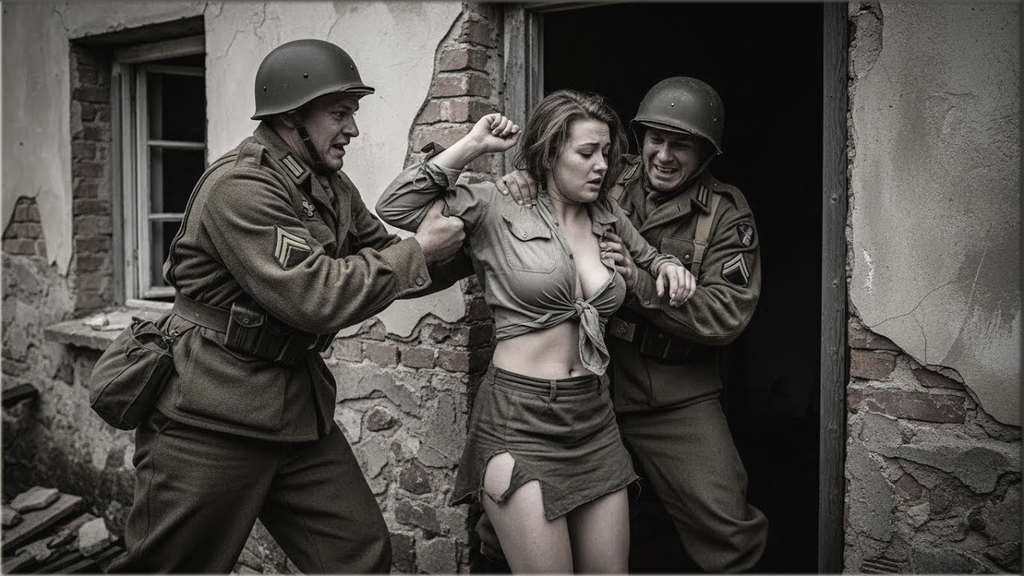
The camera cannot tell us what will happen next. It records a moment, not the future. But later knowledge can transform the way we understand that moment.

The same principle applies beyond the Second World War. One of the most widely recognized examples is the photograph known as Saigon Execution, taken by Associated Press photographer Eddie Adams on February 1, 1968, during the Vietnam War. It shows South Vietnamese National Police chief Nguyễn Ngọc Loan shooting a captured man identified as Nguyễn Văn Lém on a Saigon street during the Tet Offensive. The photograph became one of the defining visual images of the conflict.
Some content was generated using AI tools (including ChatGPT) and edited by the author for creativity, storytelling, and historical illustration purposes. Historical facts and key details should be verified against reliable historical sources. Any AI-generated or reconstructed visuals are intended for illustrative purposes and should not be interpreted as original historical photographs or archival evidence.
Để lại một bình luận