

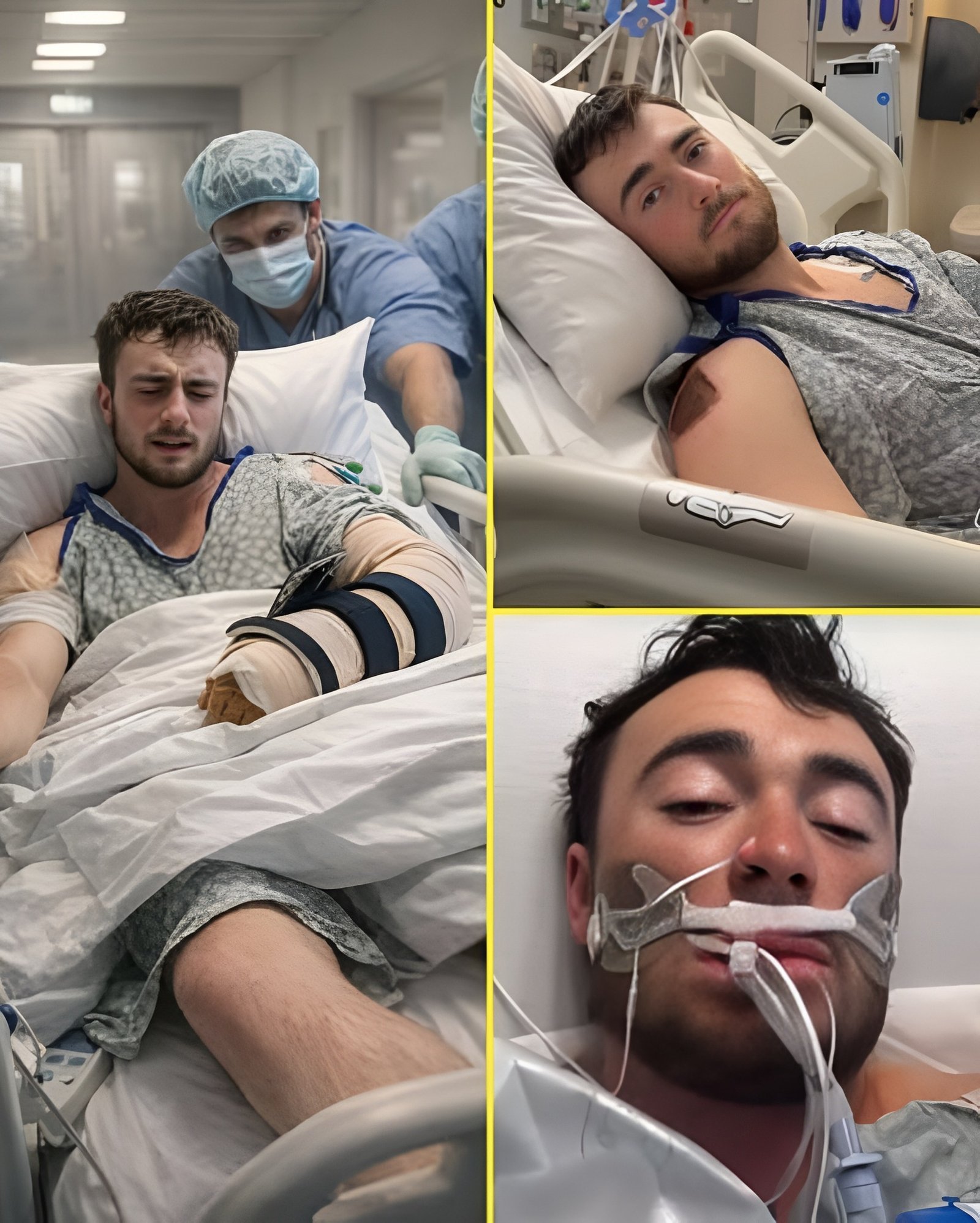
The hospital hallway has gone quiet again.
Behind the operating room doors, surgeons are preparing for another critical moment in Hunter Alexander’s long and difficult fight to recover.
All Eyes on the Operating Room as Hunter Alexander Faces Another High-Stakes Surgery
For Hunter Alexander’s family, the hospital hallway outside the operating suite has become a place filled with emotion.
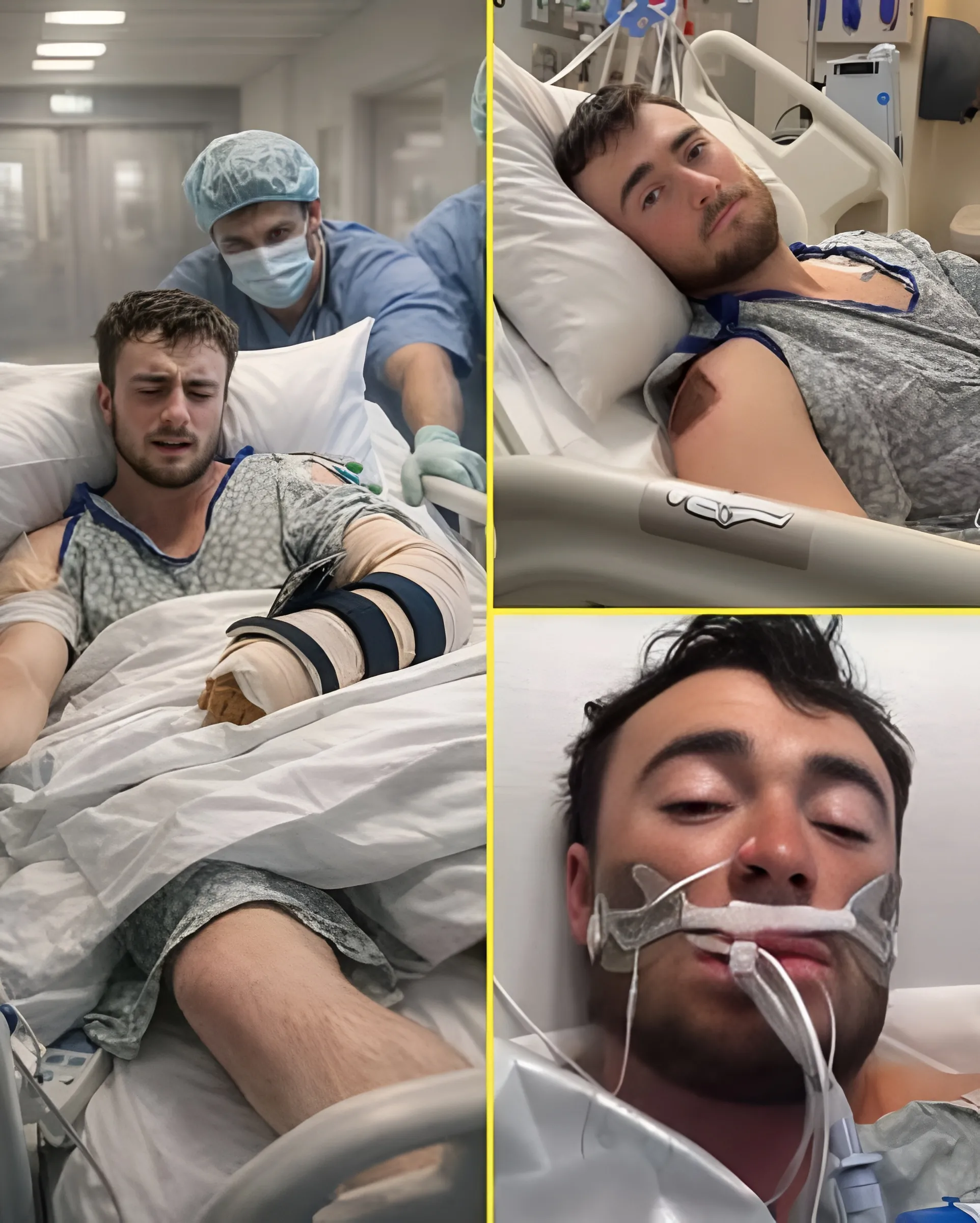
The same doors lead into the operating room.
The same chairs line the waiting area.
And once again, time seems to slow to a crawl.
Today, that familiar scene is unfolding again as Hunter is prepared for another crucial surgery—one more step in a recovery doctors warned from the beginning would be long, complicated, and unpredictable.
Surviving the initial electrical strike was only the first battle.
What follows after an injury like this, specialists often say, is the real fight.
Why Electrical Injuries Require Repeated Surgeries
Electrical trauma is one of the most complex injuries doctors treat.
Unlike typical burns, high-voltage electricity does not simply damage the skin’s surface. Instead, it travels through the body along pathways of least resistance—often moving through muscles, nerves, and blood vessels.
That means the most serious injuries are frequently hidden deep beneath the skin.
Some of the damage becomes visible immediately.

But much of it appears gradually.
As swelling decreases and circulation shifts during recovery, tissues that initially seemed healthy may begin to show signs of deeper injury. In cases like Hunter’s, doctors often must perform multiple procedures over time to fully assess and treat the damage.
Each surgery gives surgeons a new opportunity to evaluate what the body is revealing and adjust treatment accordingly.
The Purpose of Today’s Procedure
Doctors say the latest operation is focused on several critical priorities.
First, surgeons want to protect circulation, ensuring that oxygen-rich blood continues reaching the injured areas.
Without adequate blood flow, tissue can quickly deteriorate.
Second, they will evaluate and remove compromised tissue that could lead to infection or further injury if left untreated.
Finally, the surgical team is working to preserve long-term function in Hunter’s affected limbs.
Protecting nerves, muscles, and tendons wherever possible is essential for helping him eventually regain strength and mobility.

These procedures require extraordinary care and precision.
Surgeons must determine which tissues still have the ability to recover and which areas need intervention to prevent complications.
Sometimes those decisions come down to differences measured in millimeters.
Why These Surgeries Matter
To people watching from the outside, the repeated surgeries can feel overwhelming.
Each trip to the operating room brings renewed anxiety.
Each update becomes a moment suspended between hope and uncertainty.
But trauma specialists emphasize that these procedures are not signs of failure.
In many cases, they are exactly what gives patients the best chance of recovery.
Electrical injuries rarely have a single solution.
Instead, treatment becomes an ongoing process of carefully protecting the body while allowing time for the full extent of the injury to reveal itself.

The Reality of the Waiting Room
While surgeons work inside the operating room, another quiet struggle unfolds just outside.
Family members sit together in the waiting area, watching the clock as minutes stretch into hours.
Phones light up with messages of encouragement from friends and supporters.
Across social media, people continue following Hunter’s story—hoping that the next update will bring good news.
Every minute of waiting feels heavier than the last.
Yet these repeated surgeries also symbolize something powerful.
A refusal to give up.
Fighting for Every Possible Outcome
Each time Hunter is wheeled toward surgery, the medical team enters the operating room with the same mission.
Protect circulation.
Preserve healthy tissue.
Save as much function as possible.
It is a battle fought through careful decisions and surgical precision.
But it is also driven by determination—from doctors, from family members, and from the many supporters who continue following Hunter’s journey.
The Long Road After Survival
Surviving a catastrophic injury is often described as a miracle.
But trauma specialists understand that survival is only the beginning.
The real recovery comes afterward—through surgeries, therapies, setbacks, and the small victories that slowly build toward healing.
Hunter Alexander is now living that reality.
Today’s surgery is simply another chapter in a fight that has already demanded enormous strength.
For now, the operating room doors remain closed.
The hallway outside has grown quiet.
The waiting has begun.
And everyone following Hunter’s story is holding onto the same hope:
That this surgery will move him one step closer to the life waiting beyond the hospital walls.