

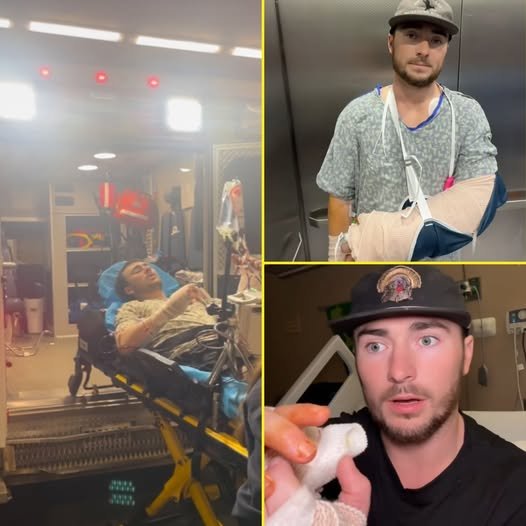
The next chapter in Hunter Alexander’s fight is only hours away—and this one could change everything.
By sunrise, he’ll be back in the operating room… with a critical decision waiting.
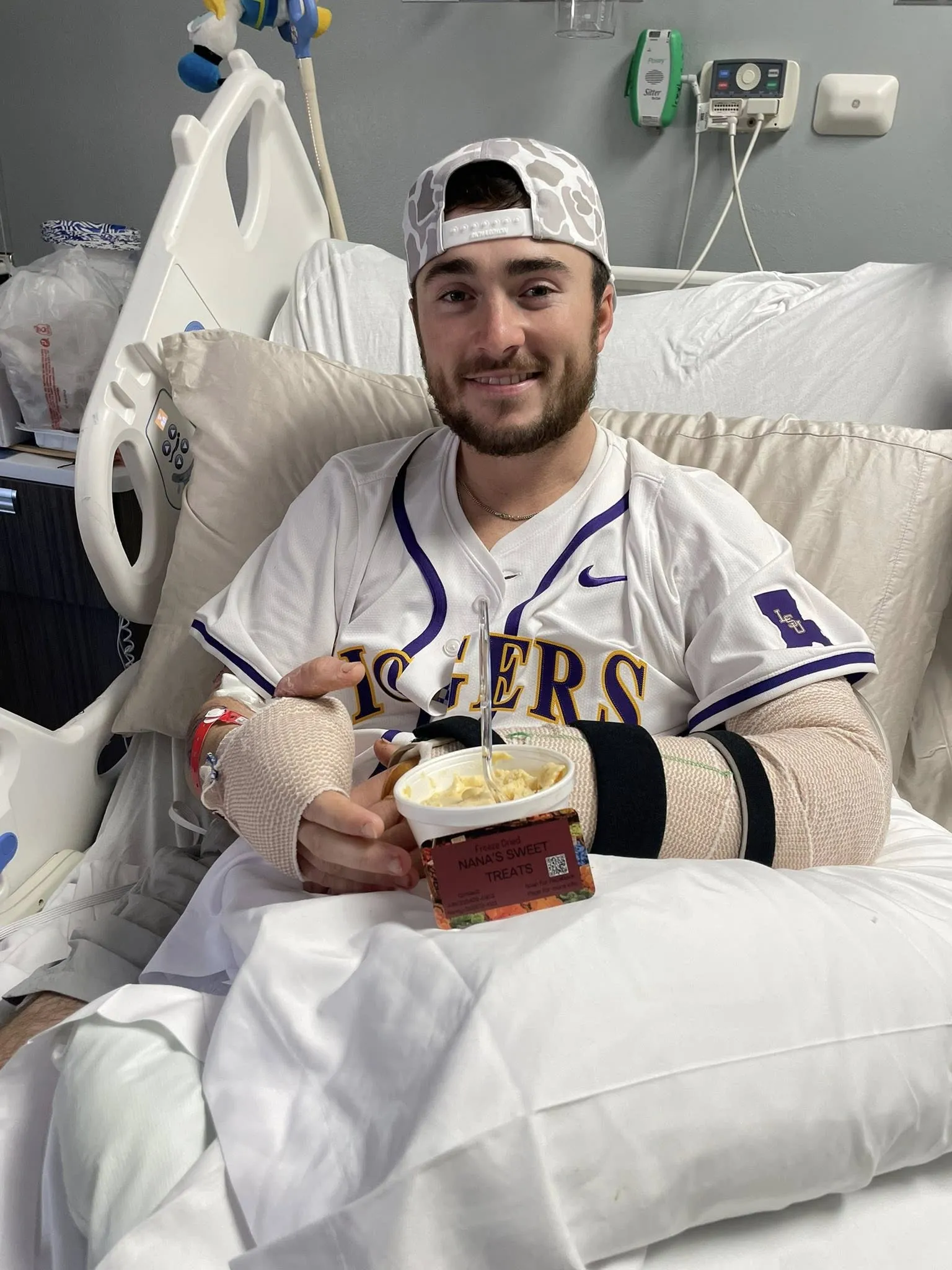
Inside the hospital, the atmosphere is shifting once again.
After days of cautious progress and guarded optimism, Hunter Alexander is now preparing for surgery #10, scheduled for early tomorrow morning. Doctors have placed him as the first case of the day, a sign of how closely his condition continues to be monitored—though that plan could change instantly if an overnight trauma emergency takes priority.
For his family and supporters, the hours leading up to this procedure feel heavy.
Because this surgery may not be just another step in recovery.
It could be a turning point.
The Decision That Could Shape the Next Phase
According to those close to Hunter’s care, tomorrow’s procedure carries a major question:
Will doctors move forward with skin grafting?
The answer depends entirely on one critical factor—the condition of his left thumb.
Doctors have been watching closely to see if the injured area has developed enough healthy tissue coverage to support a graft. If the tissue is strong and stable, surgeons may proceed with the next phase of reconstruction during this operation.
If not, the plan could change.
They may delay grafting and allow more time for healing before attempting the procedure.
It’s a decision that can only be made in real time, once surgeons have a clear view inside the operating room.
Why This Moment Matters
Skin grafting is a major milestone in recovery from severe injuries like the one Hunter survived.
After a devastating 13,000-volt electrical accident, much of the early treatment focused on stabilizing tissue, restoring circulation, and preventing further damage. Now, the focus is shifting toward rebuilding and closing the wounds that remain.
Grafting helps protect exposed areas, reduce the risk of infection, and support long-term healing.
Reaching this stage means the body has done enough initial recovery to handle reconstruction.
But it also comes with new challenges.
The success of a graft depends on strong blood flow, stable tissue, and the body’s ability to accept and integrate the new skin. If conditions aren’t right, surgeons may choose to wait rather than risk complications.
That’s why tomorrow’s surgery carries so much weight.
The Physical Battle Behind the Scenes
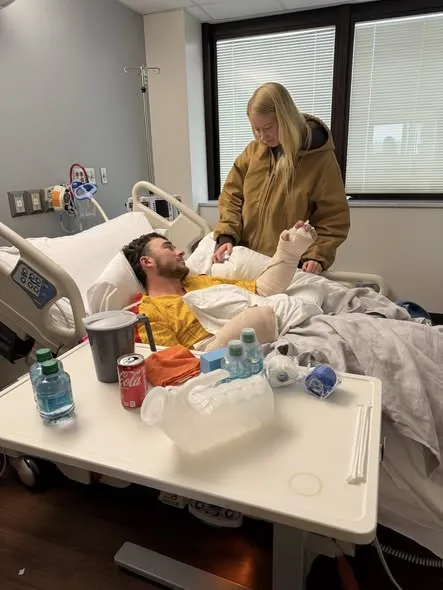
As Hunter prepares for another operation, the physical toll of recovery continues.
Alongside pain management, one of the most difficult challenges he is facing now is intense itching—a common but often overlooked part of the healing process. As nerves begin to recover and skin starts to regenerate, patients frequently experience discomfort that can be just as difficult as pain itself.
Doctors are working to manage both.
The goal is not only to move forward medically, but to keep Hunter as comfortable as possible through each stage of recovery.
A Community Holding Its Breath
Outside the operating room, the support surrounding Hunter has not faded.
Messages, prayers, and encouragement continue to pour in from people following his story—many of whom have been there since the earliest days after the accident.
His family says that support has made a difference.
Through every surgery, every setback, and every small victory, the sense that people are standing behind him has helped carry them through the most uncertain moments.
Now, as surgery #10 approaches, that support feels more important than ever.
The Hours Before Everything Changes
Tonight, the hospital is quieter.
But the tension hasn’t disappeared.
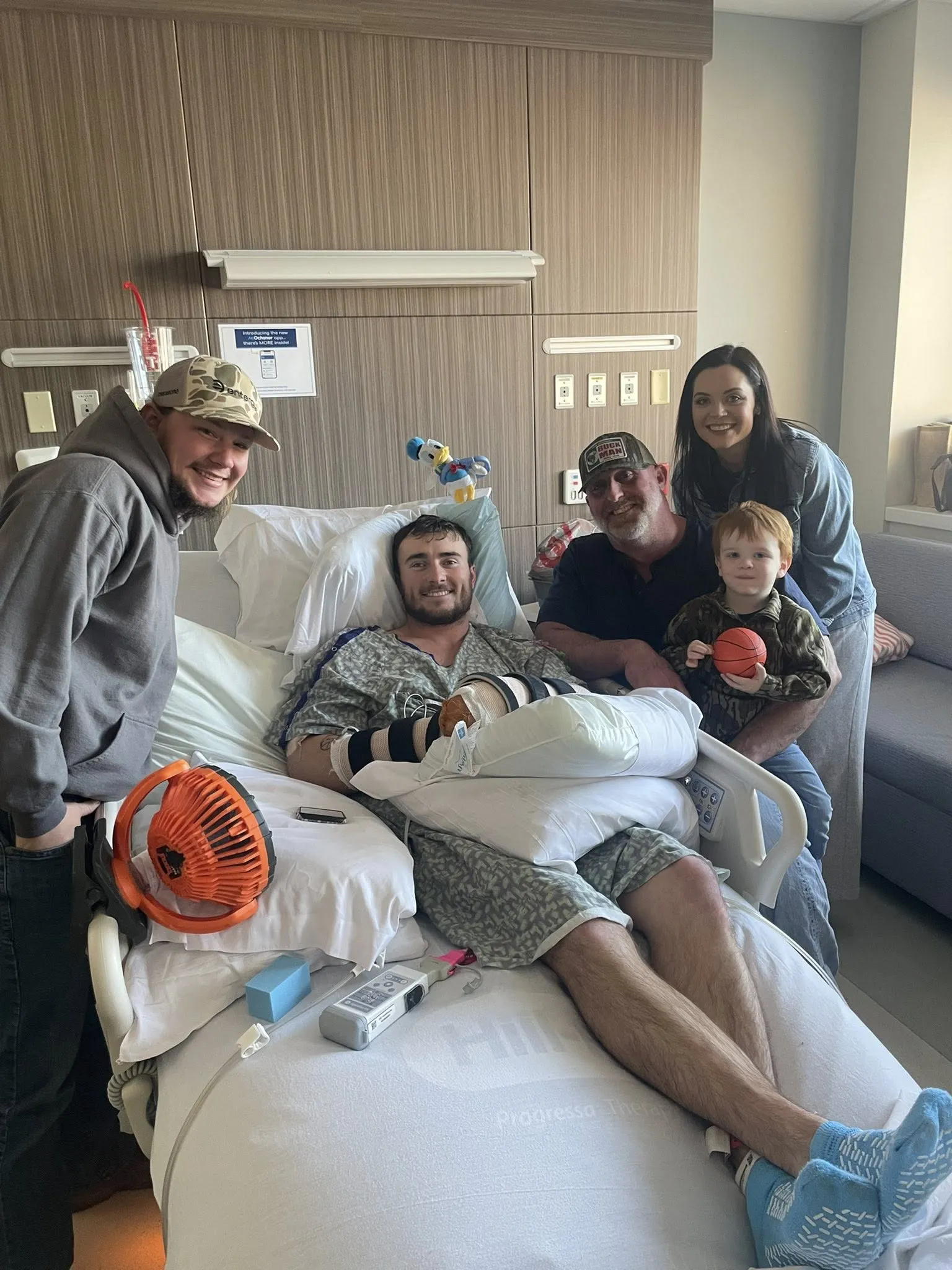
By morning, Hunter will be back in surgery. Doctors will assess the healing in his left thumb. And in that moment, they will decide whether to move forward with grafting—or wait for more recovery.
It’s a decision that could shape the next phase of his journey.
For now, there are no guarantees.
Only hope.
And as the night passes and the next procedure draws closer, one thing is clear:
Hunter Alexander’s fight is far from over—but tomorrow could mark one of its most important turning points yet.