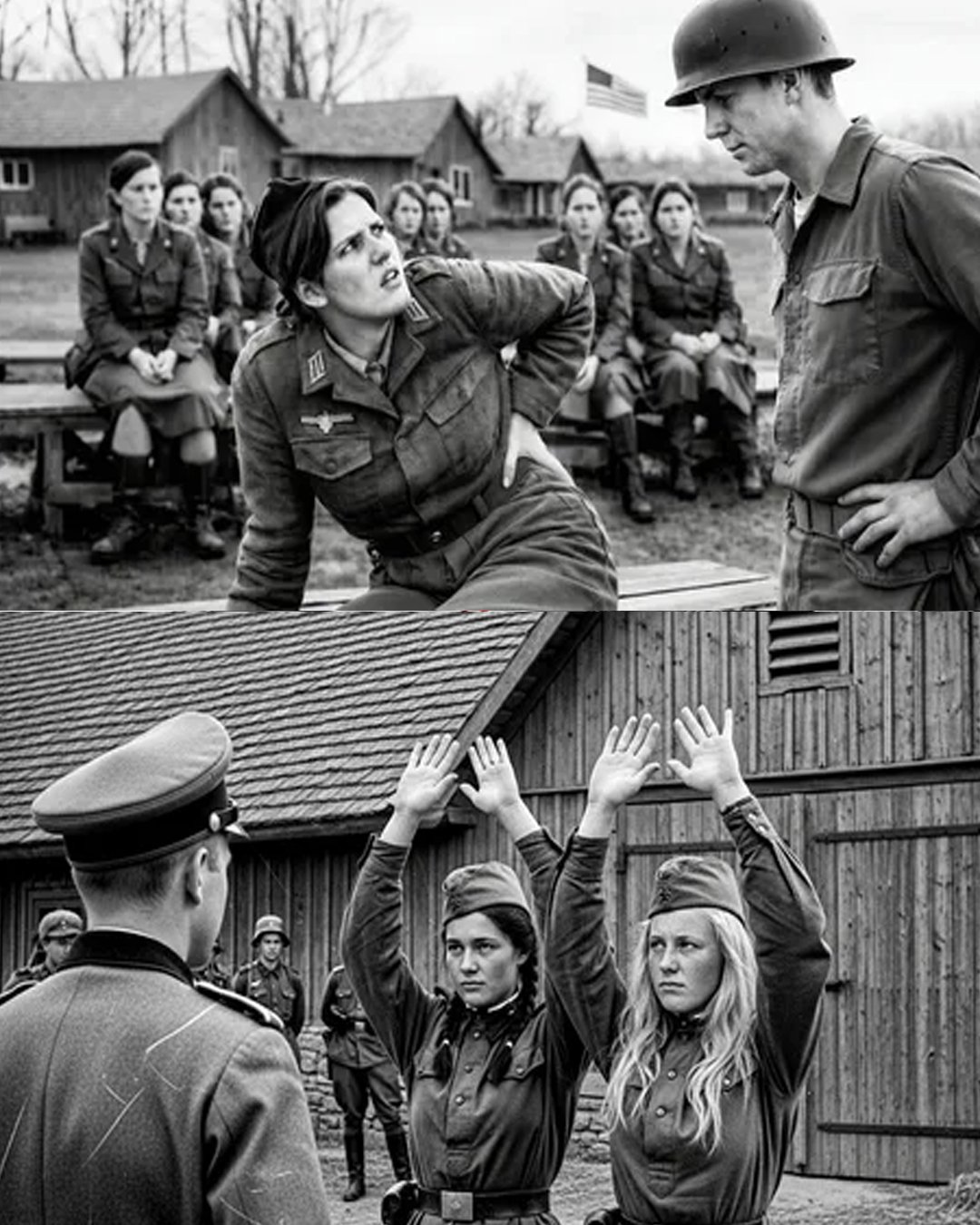
Hitler was dead. The Nazi regime had collapsed. But what would happen next? This was the question Allied leaders faced in the final months of the war. What should they do with a war-torn Germany after the conflict ended? How would they deal with the remaining Nazis? And what could be done to ensure that Germany wouldn’t return for a third round of war? Today, on this historic day, we will explore the controversial plans the Allies had for Germany after the war. Germany at that time…
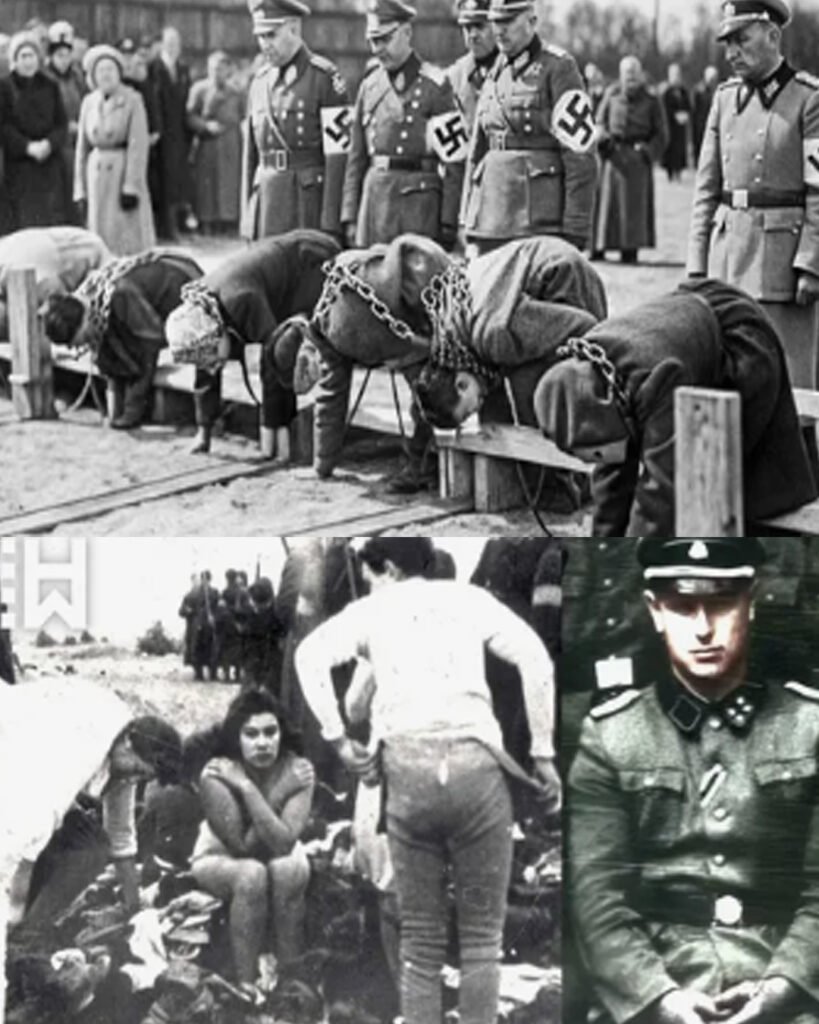
When the war ended, the country was in ruins. Nazi Germany had exhausted all of the nation’s resources, industry, and manpower. In over six years of war, the country lost nearly seven million people, mostly young men, and most major cities like Berlin, Dresden, and Cologne were razed to the ground. Millions more men were taken prisoner by the Allied forces. Civilians were also severely affected by the bombing and the brutal advance of the Allied forces.
Soviet soldiers, in particular, brought with them looting, rape, and murder. The notion that the Allies marched through Germany with clean hands is a post-war myth. Of course, Nazi Germany itself committed countless crimes against humanity, and many Allies felt their actions in Germany were a just response to the brutality of the Hitler regime. Much has been said about the Soviet abuses in Germany. We have our own video on that topic, but…
The Western Allies also committed their own atrocities. American and British soldiers committed looting, abuse, rape, and murder during the advance through Germany. A Chicago Daily News reporter, who accompanied the American troops through Germany, described it as rampant destruction. They took whatever they found interesting, and no one said anything. The Allies adopted policies they condemned against their enemies.
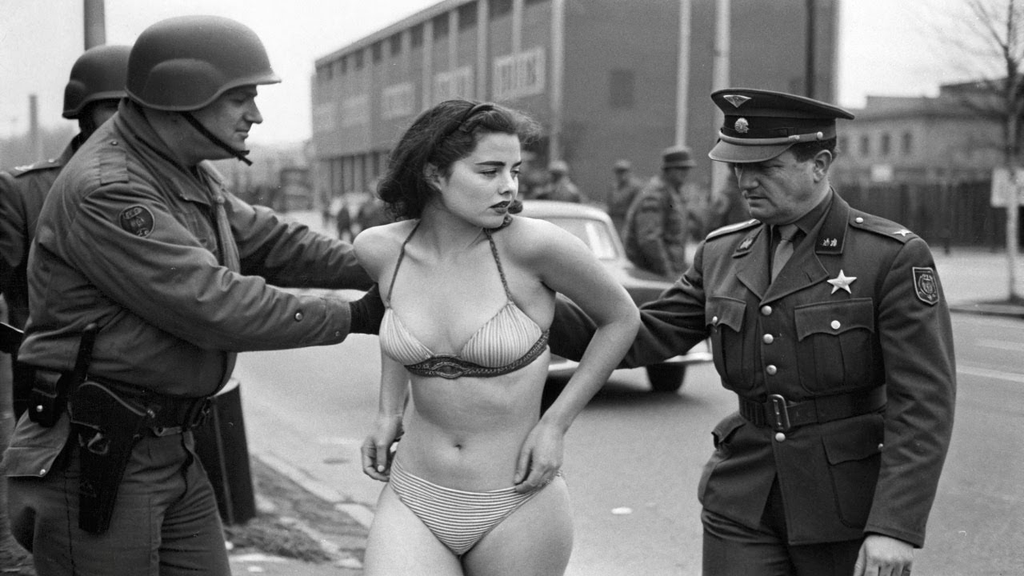
For example, despite condemnations of Germany and Japan’s use of captured soldiers for forced labor, the Allies saw no problem using German prisoners of war for forced labor to rebuild Europe. Britain imported German prisoners of war to repair damage caused by the Blitz bombing campaign. While France was eager to use Germans to repair the devastation caused by the occupation, by the summer of 1946, approximately 700,000 German prisoners of war were working in France. Stalin, with…
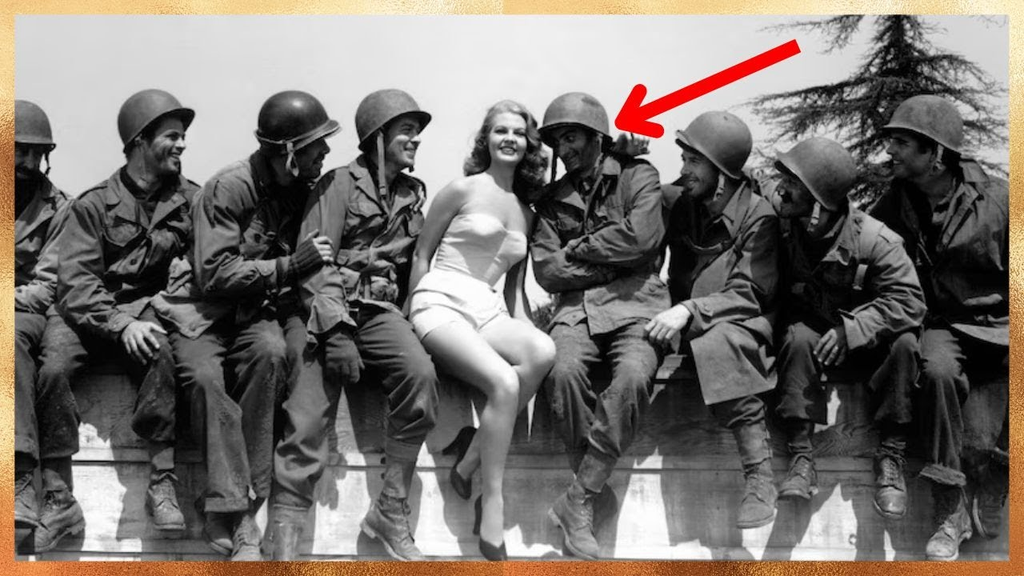
Millions of captured Nazi soldiers were forced into labor to rebuild Soviet industry, while many others were sent to notorious camps in Siberia. Living conditions for German prisoners were often appalling. Disease and malnutrition claimed the lives of thousands of prisoners in American, British, and French camps after the war. The situation was even worse in Russia, where tens of thousands of prisoners were sent to infamous Siberian camps. We also…
We must acknowledge the fate of Germans living outside Germany. The end of the war saw a massive program of deportation and resettlement of German minority communities in Europe. Poland, Czechoslovakia, Hungary, Romania, Yugoslavia, and several other countries deported a total of 12 million Germans, often from places they had called home for centuries. We have an entire video dedicated to this overlooked policy, a policy that led to the largest ethnic cleansing ever.
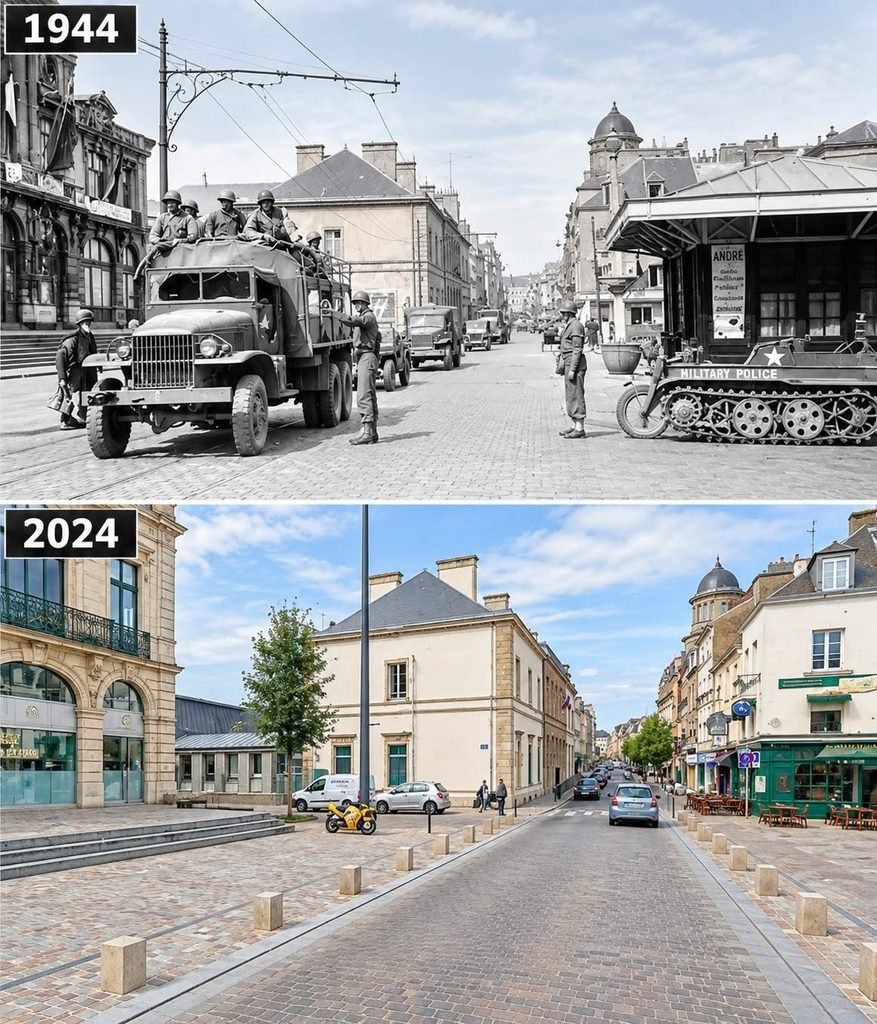
In European history, decades before the war, Germany was Europe’s industrial powerhouse. Its industry was second only to the United States worldwide. The war destroyed most of this industry, and the Allies believed it was necessary to weaken what remained of German industry to ensure it could never rise again. In 1944, U.S. Treasury Secretary Henry Morganth Jr. devised a plan to control post-war German industry and permanently end the threat of German expansion.
The Morganthal Plan called for the complete demilitarization of Germany and the destruction of its entire military industry. East Prussia and southern Seleia would belong to Poland, while France would receive Sarland and Palisinate. The rest of Germany would then be divided in two. Bavaria would form the core of a southern German state, while Prussia and Saxony would be the center of a northern German state. The plan also proposed that the Ruer Valley, the center of…
German industry, which had existed for decades, would be placed under international control and completely deindustrialized. All factories and railways would be dismantled and melted down, and a complete ban would be imposed on any new industries in the region in the near future. Anyone with industrial skills would be encouraged to leave. Furthermore, any remaining German industry outside the Ruer region would also be dismantled, and its equipment redistributed throughout the war-torn areas.
A European nation. The goal, in Morgan Fa’s words, was to transform Europe’s most industrialized nation into one primarily based on agriculture and livestock. In this way, Germany would never be able to participate in World War II. Morgan approached President Roosevelt and presented a compelling argument. Roosevelt had planned to rebuild Germany as a potential ally, but Morgan convinced him that punishment was better than restoration. Secretary of State
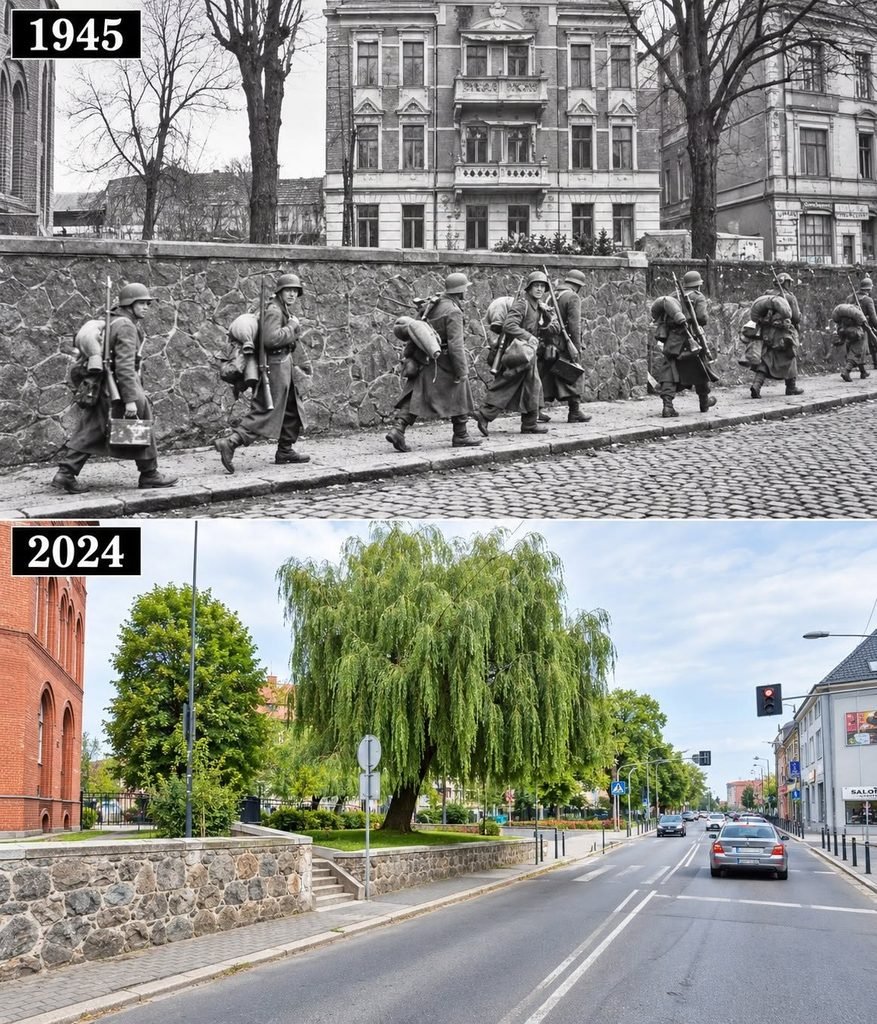
Cordell Hull quickly realized that Morgan F.’s plan was unfeasible. Germany’s farmland could only feed about 60% of the population, and without imports (which Morgan F. intended to restrict), millions would starve. Morgan F. and Roosevelt remained unmoved. Secretary Hull was furious at the plan. It weighed so heavily on him that he stopped eating and sleeping, eventually leading to his hospitalization and resignation.
In response, Morgan Thals’ plan became Roosevelt’s main vision for Germany. In late 1944, Roosevelt presented the plan to Churchill. Even Churchill considered it too harsh. But after being accused of accepting billions of dollars in bribes for additional aid to Britain, Churchill accepted the plan. The plan leaked in September 1944 and caused global controversy. While many supported the harsh plan, others criticized it. Many in America, particularly in the business world, opposed it.
The world wanted Germany rebuilt as quickly as possible so that trade could resume. The Nazis themselves immediately viewed this plan as evidence of a Jewish conspiracy to wipe out Germany if it failed. The American military also completely opposed the plan. The Morgan plan promised to destroy Germany if they lost. Therefore, German soldiers might fight more fiercely than if they had been promised a more merciful outcome. In fact, interviews with German prisoners of war revealed that
Soldiers who fought in the Battle of Aen a few weeks after the plan was leaked confirmed that many German soldiers felt they had to fight harder because the Morgan Ful plan would essentially destroy Germany for generations. Public reaction to the plan was so negative that Roosevelt immediately rejected it. The Morgan Ful plan was ruthlessly scrapped. Despite this, Morgan defended it. He even published a book titled “Germany Is Our Problem” in October 1945, in which he…
He defended the plan and hoped to influence policy in the new American occupation zone in Germany. But although Morgan Thou’s plan was rejected, the actual Allied policy toward Germany was anything but lenient. In September 1944, the Joint Chiefs of Staff issued Directive 1067, outlining policies for the American military during the initial phase of the occupation of Germany. The American military was strictly forbidden from engaging in close contact with the German population. They were not permitted…
It was forbidden to speak to German civilians unless absolutely necessary, to drink with them, give them gifts, visit their homes, dine with them, or even shake their hands, otherwise one would be brought before a military court. Of course, enforcing this law in practice was easier said than done, but any soldier caught doing these things could and would be punished. Morgan Thou’s desire to cripple the German economy was reflected in JCS-67. The US military was not allowed to permit…
Repair work on any German military equipment manufacturing industry was halted during this period. They were also ordered to stop all other industries, especially those producing critical resources such as oil, steel, or shipbuilding. Finance Ministry officials were even sent to visit the newly occupied industrial areas to ensure these directives were followed. These were only temporary measures during the initial phase of the occupation. The Allies also needed to decide on a…
The long-term strategy for post-war occupation. At the Potam Conference in July 1945, the United States, Great Britain, and the Soviet Union agreed on four Ds: demilitarization, defascism, democratization, and de-dictatorship. Of course, these words meant different things to each. For the Americans and the British, democratization meant liberal democracy, while for the Soviet Union, it meant a system that could only be reversed.
For Westerners, decentralization meant dismantling the economic control of the Nazi state in favor of private enterprises, while for the Soviet Union, it meant integrating German industry into a communist system. Initially, all the great powers agreed that Germany could not be allowed to return to its former power. In March 1946, the Allied Control Board imposed production limits on German industry to prevent this. Germany was only permitted to produce at certain levels.
Some content was generated using AI tools (including ChatGPT) and edited by the author for creativity, storytelling, and historical illustration purposes. Historical facts and key details should be verified against reliable historical sources. Any AI-generated or reconstructed visuals are intended for illustrative purposes and should not be interpreted as original historical photographs or archival evidence.
Để lại một bình luận