

For generations, questions about extraterrestrial life have been treated as matters of science, government secrecy, and national security. But a growing number of religious leaders now believe the next phase of the UFO disclosure debate could become something far more profound: a challenge to humanity’s deepest spiritual assumptions.
According to reports circulating within both disclosure and religious communities, Christian pastors across the United States are increasingly discussing how churches should respond if future government disclosures appear to confirm the existence of non-human intelligences.
The concern, supporters of this view argue, is not simply whether intelligent life exists elsewhere in the universe. The larger question is how such a revelation could affect long-established interpretations of scripture, humanity’s place in creation, and centuries of theological teaching.
The discussion intensified following comments from U.S. Congresswoman Anna Paulina Luna, who has publicly suggested that some reported non-human entities described in modern UFO accounts may bear similarities to supernatural beings mentioned in religious texts. Her remarks ignited debate among both believers and skeptics, with some viewing them as an attempt to bridge faith and unexplained phenomena, while others cautioned against drawing conclusions without evidence.
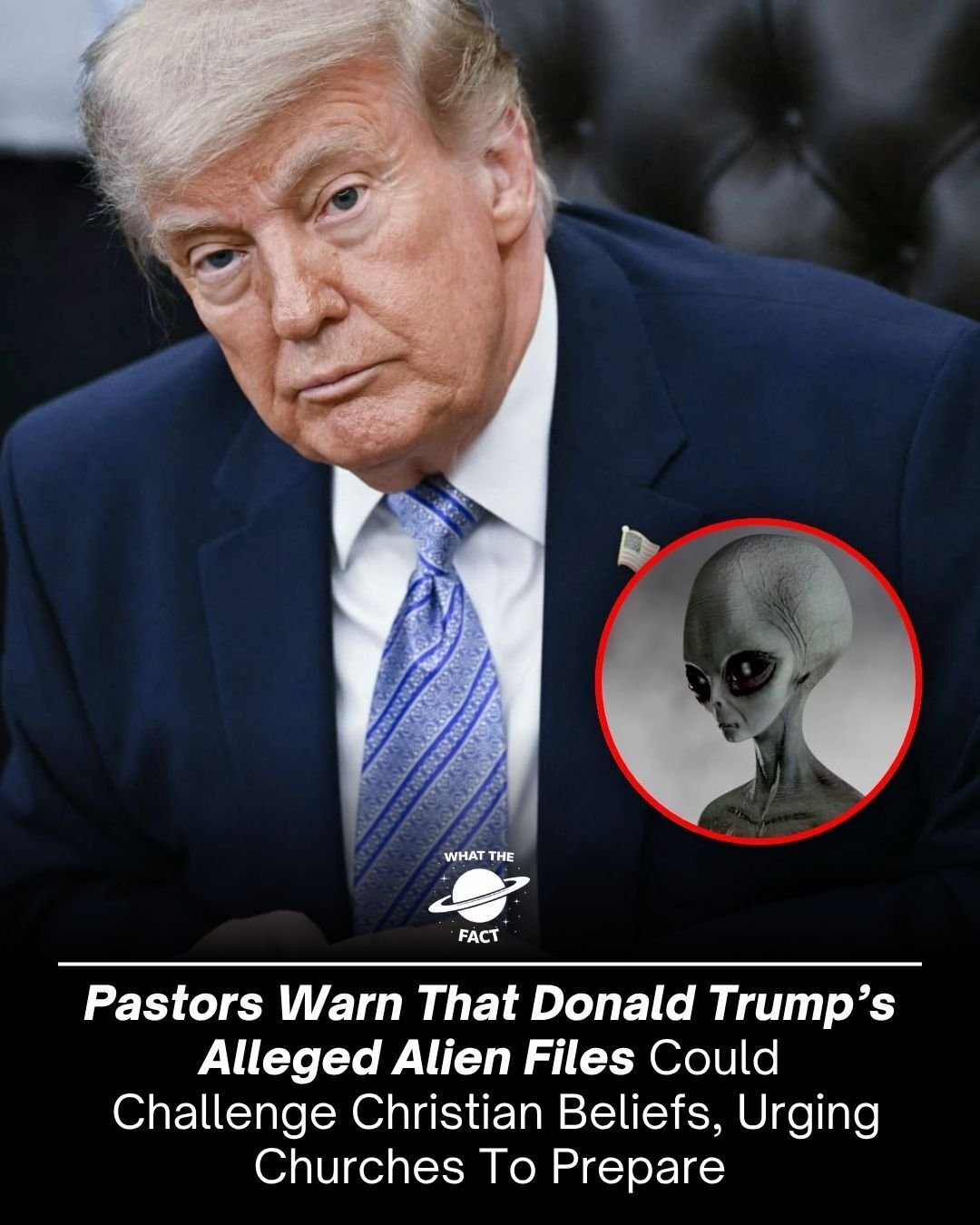
Meanwhile, speculation continues to surround rumors that former President Donald Trump could support the release of additional government files related to unidentified anomalous phenomena. Although no official confirmation has been made regarding the contents of any future disclosures, the possibility has fueled intense discussion online.
Some evangelists and disclosure advocates have gone even further, claiming that certain pastors were privately encouraged to consider how their congregations might react if future announcements challenge conventional assumptions about reality. These claims remain unverified, but they have nevertheless become a major topic within segments of the UFO community.
What makes the current moment unique is the growing overlap between two worlds that historically operated separately: religion and UFO research.
For decades, many religious leaders dismissed UFO reports as misunderstandings, hoaxes, or purely secular matters. Today, however, some theologians are openly exploring whether ancient religious experiences described in scripture could be interpreted in new ways if evidence of non-human intelligence were ever confirmed.
Supporters of disclosure argue that faith traditions have survived countless scientific revolutions throughout history. Humanity adapted to the realization that Earth was not the center of the universe. Religious institutions endured discoveries concerning evolution, genetics, and cosmology. They believe that confirmation of extraterrestrial life, should it occur, would represent another chapter in that ongoing process rather than the end of faith itself.
Others are less certain.
Critics warn that speculative claims linking aliens, angels, demons, seraphim, or other supernatural entities risk creating confusion before any verifiable evidence has been presented. They emphasize that extraordinary claims require extraordinary proof and caution against treating rumors as established facts.
Yet despite the skepticism, interest continues to grow.
Congressional hearings, whistleblower allegations, classified UAP investigations, and persistent rumors of future disclosures have combined to create an atmosphere unlike anything seen before in the history of the UFO phenomenon. Whether these developments ultimately lead to groundbreaking revelations or prove less dramatic than expected remains unknown.
What is clear is that many people are already asking questions that go beyond technology and government secrecy. They are asking how humanity would understand itself if evidence emerged that intelligent beings exist beyond Earth.
If such a moment ever arrives, it may not only reshape science and politics.
It could also spark one of the most significant religious and philosophical debates in human history.