

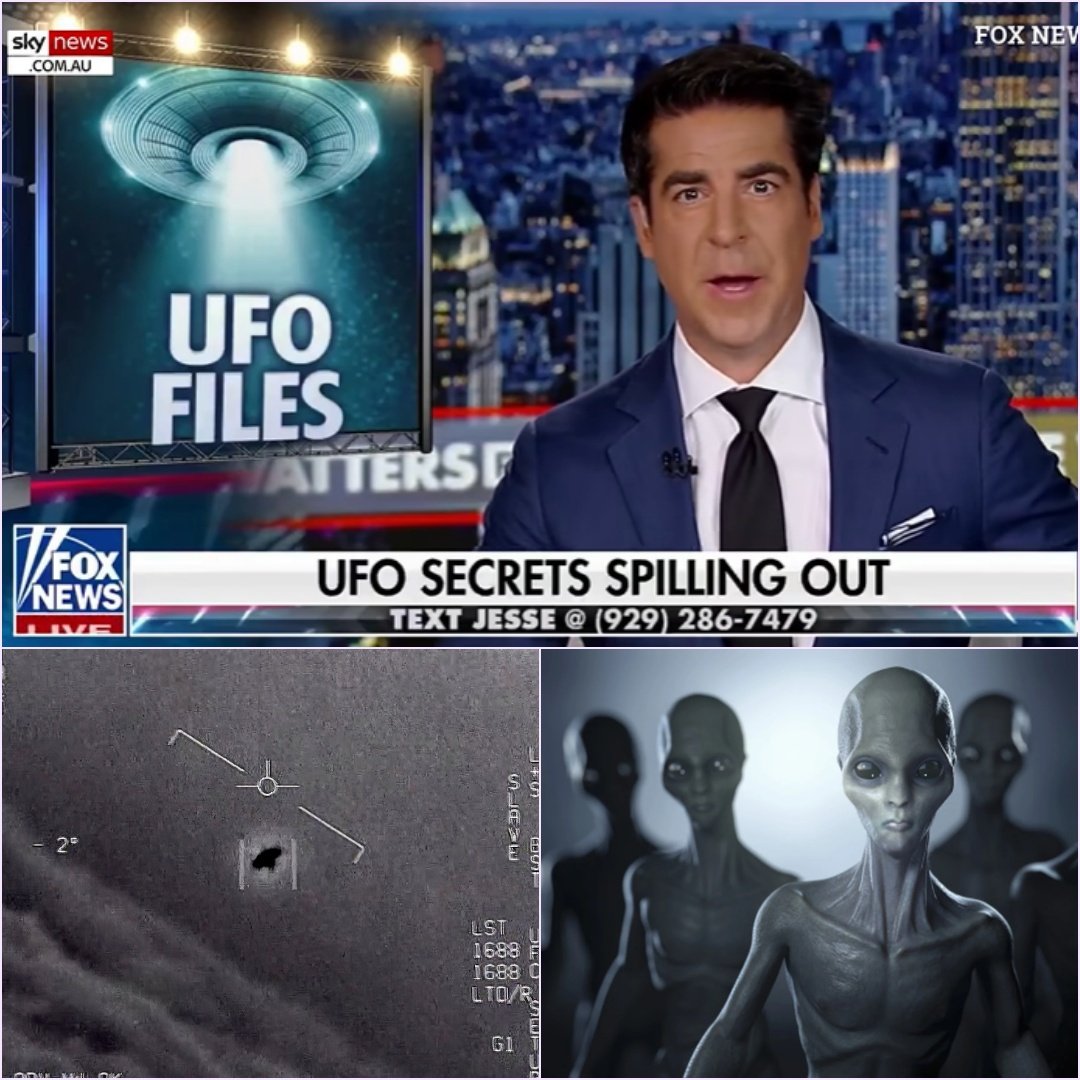
The global UFO debate has entered another explosive chapter as new claims surrounding Pentagon UAP investigations ignite fierce discussion across social media, news outlets, and disclosure communities worldwide.
What began as renewed interest in government files has rapidly evolved into a controversy involving alleged whistleblowers, documentary producers, scientists, and individuals who claim to possess knowledge of highly classified recovery operations.
At the center of the latest storm is a growing conversation surrounding reports that investigators may have encountered more than one type of non-human intelligence. While no publicly available evidence has independently verified such claims, the allegations have intensified speculation about what governments may know—and what remains hidden from public view.
The controversy gained momentum following discussions connected to the documentary The Age of Disclosure, a project examining government secrecy, unidentified anomalous phenomena, and claims made by former officials and researchers.
According to statements attributed to individuals involved with the documentary, several potential witnesses allegedly expressed extreme reluctance to speak publicly about their experiences. Some reportedly cited concerns about personal safety, professional consequences, and the potential impact of discussing classified information.
One account that has drawn particular attention involves an alleged witness who reportedly told filmmakers that participating in an interview could place their life and future at risk.
Such statements have fueled speculation that information connected to UAP investigations may be far more sensitive than previously understood.
Supporters of disclosure argue that these fears suggest the existence of significant undisclosed programs involving recovered materials, unusual technologies, or phenomena that remain outside public knowledge. They believe governments around the world have accumulated decades of information that has yet to be fully revealed.
Skeptics offer a different perspective.
They note that extraordinary claims require verifiable evidence and caution that anonymous testimonies, regardless of how compelling they may sound, cannot be treated as proof. Many analysts point out that intelligence communities frequently deal with rumors, fragmented reports, misunderstandings, and incomplete information that can evolve into larger narratives over time.
Nevertheless, the discussion continues to grow.
Public interest in UAPs has surged dramatically since a series of congressional hearings, military pilot testimonies, and declassified government investigations brought the issue into mainstream attention. What was once considered a fringe topic has increasingly become the subject of serious debate among lawmakers, scientists, journalists, and defense officials.
Adding to the intrigue are claims suggesting that multiple categories of non-human entities may have been encountered during alleged recovery operations. These assertions remain unverified and are based primarily on statements attributed to unnamed sources and commentators rather than publicly available scientific evidence.
Still, the possibility has captured the imagination of millions.
For believers, the idea raises profound questions about humanity’s place in the universe. If even a fraction of the allegations were proven true, the implications could transform science, religion, technology, and our understanding of life itself.
For critics, the situation demonstrates how mystery and secrecy can encourage speculation in the absence of transparent information.
The Pentagon’s official position remains cautious. Government investigations into unidentified anomalous phenomena continue, but no public agency has confirmed the existence of extraterrestrial technology, non-human biological entities, or evidence proving contact with alien civilizations.
Yet that has done little to slow public fascination.
Online communities continue to analyze leaked images, witness accounts, military encounters, and decades-old reports in search of answers. Every new statement from a whistleblower, researcher, or former official generates another wave of debate regarding what may still be hidden behind classified programs and restricted access files.
Whether the latest claims ultimately prove accurate, exaggerated, or entirely mistaken, they have once again placed UFO disclosure at the center of public attention.
The questions remain the same as they have for generations: Are governments withholding information about unexplained phenomena? Do classified programs possess knowledge that has never been revealed? And if evidence of non-human intelligence truly exists, how much of the story has yet to be told?
Until definitive evidence emerges, the mystery surrounding UAPs, Pentagon investigations, and alleged whistleblower revelations is likely to remain one of the most captivating—and controversial—subjects of the modern era. 👽🛸🔥