

Portugal arrived at the World Cup carrying enormous expectations.
With a squad packed full of elite talent and experience, many supporters expected a comfortable opening victory against DR Congo.
Instead, they were left frustrated.
Very frustrated.
The evening started perfectly for Roberto Martínez’s side.
Just six minutes into the match, João Neves rose highest inside the penalty area to head Portugal into an early lead.
At that moment, everything appeared to be unfolding according to plan.
Portugal controlled possession.
Portugal dictated the tempo.
Portugal looked comfortable.
Yet beneath the surface, problems were beginning to emerge.
Despite monopolizing the ball, Portugal struggled to create clear-cut chances.
The passing was neat.
The possession numbers were impressive.
But genuine danger remained limited.
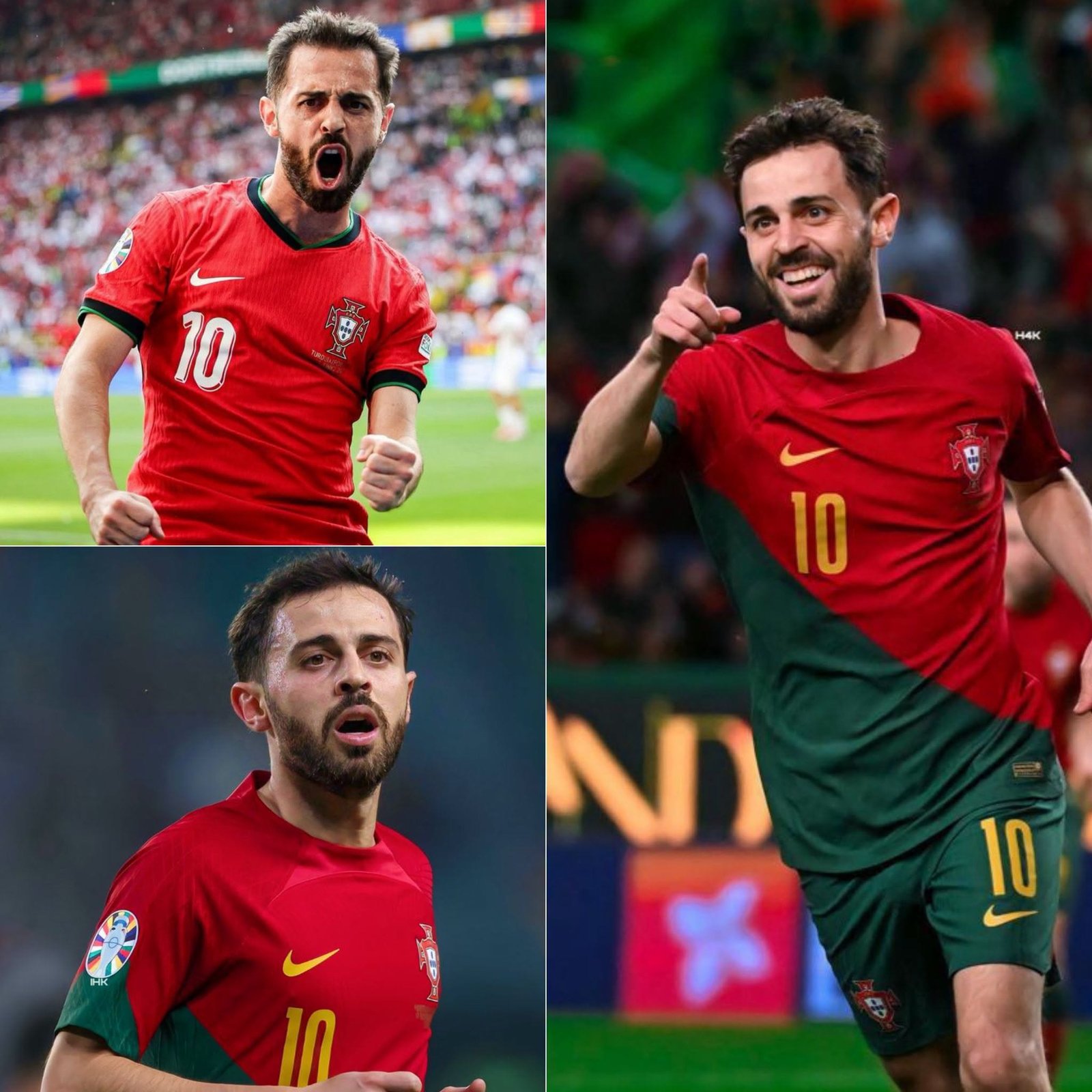
Bernardo Silva was heavily involved during the first half.
The Manchester City midfielder completed 17 accurate passes from 18 attempts, registering a remarkable 94% pass completion rate.
He also produced four passes into the final third and worked hard defensively when needed.
On paper, it was a tidy performance.
But Portugal needed more.
As halftime approached, DR Congo grew in confidence.
Then came the turning point.
Deep into first-half stoppage time, Arthur Masuaku delivered a dangerous ball into the penalty area.
Yoane Wissa escaped his marker and powered home the equalizer.
Suddenly, the underdogs were level.
And suddenly, Portugal looked vulnerable.
Moments later came another surprise.
Bernardo Silva did not return for the second half.
Roberto Martínez made the tactical decision to withdraw one of his most experienced players in an attempt to inject greater attacking urgency into the team.
The substitution immediately became one of the biggest talking points of the match.
Many supporters questioned whether Bernardo was the right player to sacrifice.
Others understood the manager’s desire to change the rhythm of a disappointing attacking display.
Regardless of opinion, the move failed to produce the desired breakthrough.
Portugal continued to dominate possession but struggled to create quality opportunities.
Even Cristiano Ronaldo found himself frustrated.
The legendary forward was attempting to become the first player in football history to score in six different World Cups.
Instead, he endured a difficult evening.
Two late chances fell his way.
Both went wide.
The frustration was visible.
For DR Congo, however, the result felt like a victory.
The world’s 46th-ranked nation produced a disciplined and courageous display.
They defended intelligently.
They remained dangerous on the counterattack.
And they refused to be intimidated by one of the tournament favorites.
Their reward was a well-deserved point.
The result also highlighted a recurring issue that has occasionally affected Portugal in major tournaments.
Possession alone does not win matches.
Control alone does not win matches.
Goals do.
And on this occasion, Portugal simply lacked the cutting edge required to turn dominance into victory.
For Manchester City supporters, there was additional interest in the performances of Bernardo Silva and other club representatives.
Matheus Nunes remained an unused substitute, while Ruben Dias was unavailable due to a lack of match fitness.
That left Bernardo as City’s sole representative on the pitch.
His evening ended earlier than expected.
Now attention turns to Portugal’s next match.
The pressure has already increased.
The margin for error has become smaller.
And after dropping points against DR Congo, Portugal know they can no longer afford another disappointing performance.
One match into the tournament, questions are already being asked.
Can Portugal convert possession into goals?
Can Ronaldo finally make more history?
And was Bernardo Silva’s half-time withdrawal the start of a tactical rethink?
The answers will arrive soon enough.