

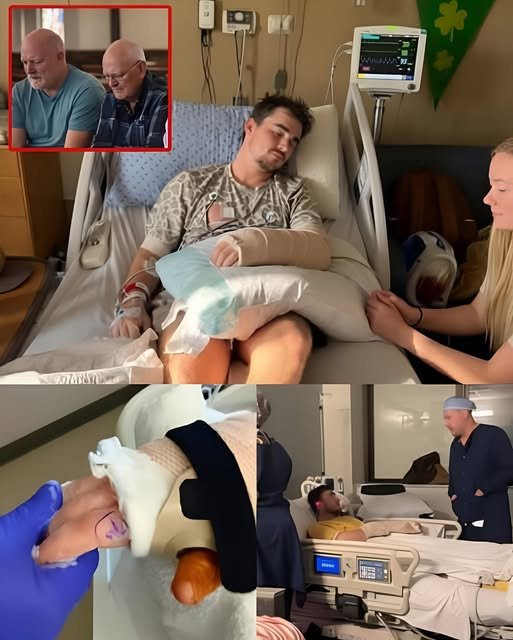
Just weeks ago, doctors feared the damage might be too severe to repair.
Now, after another intense surgery, Hunter Alexander’s medical team is seeing something they hoped—but weren’t certain—they would ever witness: powerful signs of healing.
Hunter Alexander’s Remarkable Recovery: Surgeons See Strong Healing as He Prepares for Skin Graft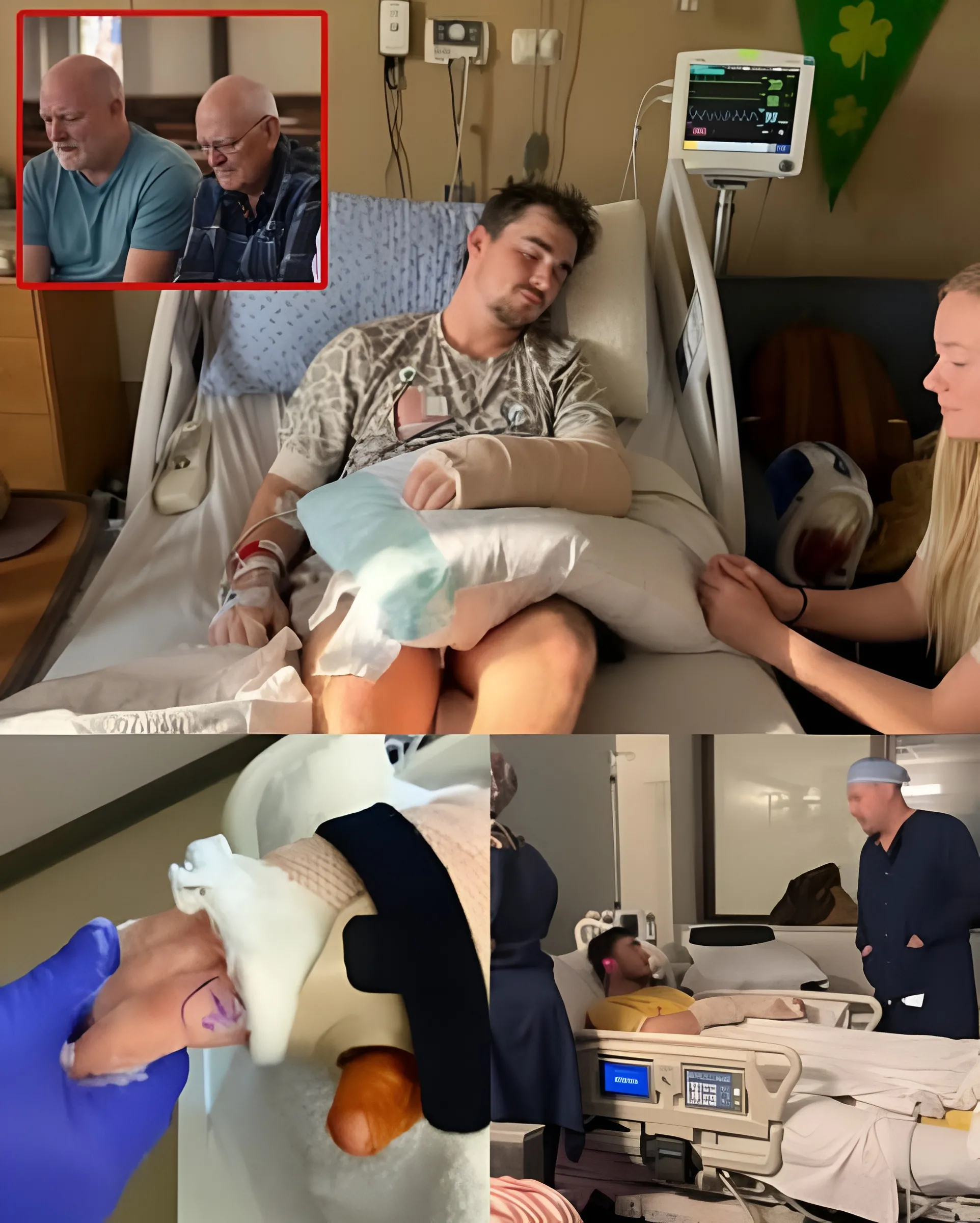
For Hunter Alexander and his family, the hours after surgery carried a mixture of anxiety and hope.
The procedure had been long and demanding. Every minute inside the operating room mattered as doctors carefully evaluated the devastating injuries caused by the electrical accident that changed his life.
When Hunter finally came out of surgery, his family waited for the update that would determine the next stage of his recovery.
Then his father spoke with orthopedic surgeon Dr. Purcell.
What he heard brought a wave of cautious relief.
A Powerful Sign of Healing
According to Dr. Purcell, Hunter’s left arm and hand—once the most severely damaged areas—are now showing strong signs of recovery.
Surgeons described the tissue inside the wound as “beefy red,” a term used in wound care to indicate healthy blood flow and active healing.
For medical professionals treating complex trauma injuries, that description carries enormous meaning.
It means the tissue is alive.
It means the body is rebuilding.
And it means the treatments are working.
After weeks of uncertainty, that news marked a significant milestone in Hunter’s journey.
One Small Area Still Needs Time
Despite the encouraging progress, doctors are proceeding carefully.
One small area on Hunter’s left thumb still needs additional time to granulate, a process where healthy tissue gradually fills the wound before it can safely be covered with a skin graft.
Granulation is essential for successful reconstruction. Without it, grafted skin may not survive.
So for now, the medical team is giving that area more time to heal naturally.
Once that process is complete, Hunter will move forward to the next major step in recovery: skin graft surgery.
The Wound VAC Still Plays a Critical Role
To support that healing process, Hunter will continue using a wound VAC (vacuum-assisted closure) device for another one to two weeks.
While the equipment may look intimidating, it plays an essential role in recovery from severe trauma.
The device works by applying gentle suction to the wound, which:
• removes excess fluid
• reduces swelling
• improves circulation
• stimulates new tissue growth
For Hunter, the wound VAC has become one of the most important tools helping his body rebuild damaged tissue.
And according to his family, the results are becoming increasingly visible.
A Dramatic Transformation
Photos taken during treatment show a remarkable transformation.
Where there were once areas of severe trauma and damaged tissue, doctors are now seeing healthy tissue gradually filling in.
Family members say the improvement between earlier images and current ones is nothing short of astonishing.
Part of that progress is being credited to Restrata, an advanced regenerative wound treatment being used alongside the wound VAC therapy.
Together, these therapies are helping create an environment where Hunter’s body can repair itself.
Encouraging Progress on Other Injuries
While the focus has been on Hunter’s left arm and hand, doctors are also monitoring injuries on the right side of his body.
His right shoulder wound, which received a wound VAC placement earlier in March, will undergo another dressing change soon to evaluate how much healing has occurred.
The outlook so far is positive.
And there’s even better news regarding his right hand.
Doctors report that it is healing well and currently does not require a skin graft—a development that has brought tremendous relief to the family.
Knowing that at least one injured area may avoid further major procedures offers a powerful emotional boost.
The People Behind the Recovery
Behind every step of Hunter’s recovery is a dedicated team of specialists.
Among them is Lori, a wound care expert whose careful treatment has played a crucial role in maintaining the delicate healing environment needed for Hunter’s injuries.
Hunter’s family says her attention to detail and compassion have made a tremendous difference during this difficult journey.
It’s a reminder that recovery from trauma isn’t just about surgery—it’s about the daily work of nurses, therapists, and specialists who guide the healing process every step of the way.
A Long Road Still Ahead
Even with the encouraging news, Hunter’s family knows the journey is far from over.
Skin grafts, rehabilitation, and continued monitoring remain ahead.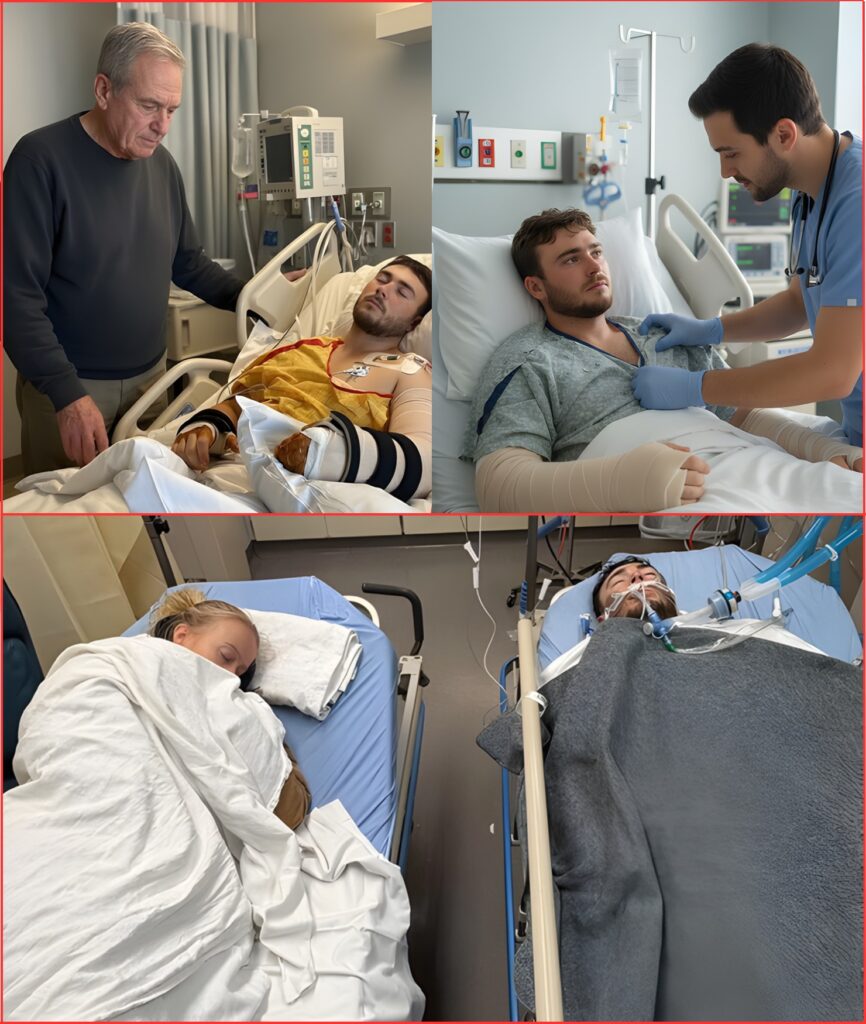
Pain management and physical therapy will also become major parts of the next phase of recovery.
But for the first time in weeks, the updates from the operating room are bringing something new.
Not just survival.
Not just stability.
But genuine progress.
Strength Through the Storm
Hunter’s story has become a powerful reminder of the strength of the human spirit.
Few people endure the level of trauma he has faced. Yet day by day, his body continues to rebuild, guided by skilled doctors and supported by a community that refuses to stop believing in his recovery.
His family continues asking for prayers and encouragement as the healing process continues.
Because while the road ahead remains long, one thing is becoming increasingly clear.
Hunter Alexander is not just surviving this fight.
He is slowly, steadily winning it.