

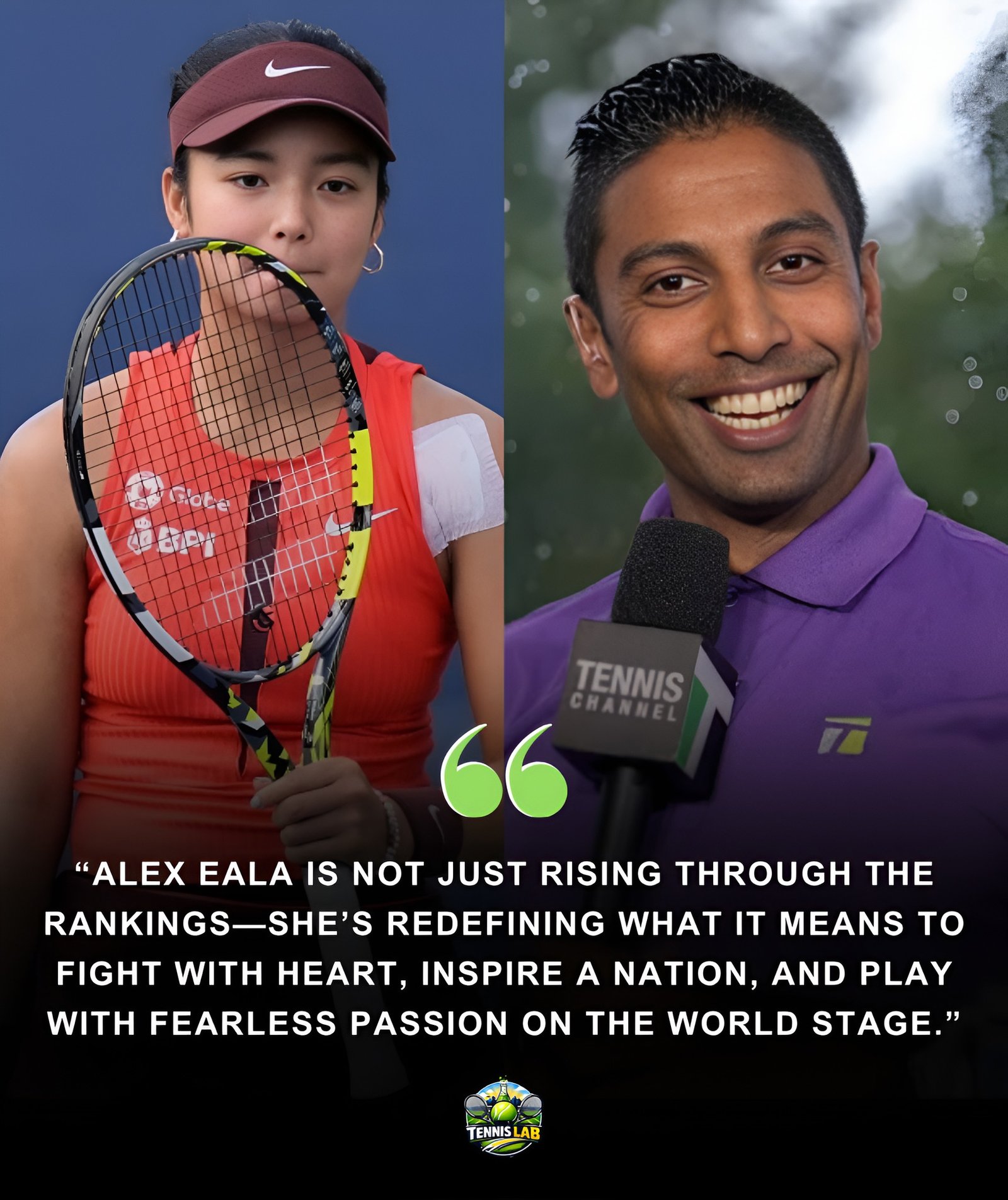
The rise of Alex Eala is no longer just a promising story—it has become a global movement. At the heart of this surge is what experts are now calling the “Eala Effect,” a phenomenon reshaping how the world views modern women’s tennis.
From her early training days to her recent performances on the biggest stages, Eala has captured not only victories but also the imagination of fans, analysts, and fellow athletes worldwide. Her journey reflects more than talent—it represents resilience, identity, and a new era for the sport.
What Is the “Eala Effect”?
The term “Eala Effect” has started circulating within the WTA community, describing a shift in values within women’s tennis. It highlights a growing appreciation for players who bring passion, authenticity, and cultural pride to the court.
Unlike traditional narratives that focus solely on rankings and titles, the Eala Effect emphasizes emotional connection and personal story. Eala’s matches are not just competitions—they are experiences that resonate deeply with audiences across continents.
Expert Insight: Why Alex Eala Stands Out

Tennis analyst Prakash Amritraj recently made headlines with his strong endorsement of Eala. According to Amritraj, her influence goes beyond her technical abilities.
He pointed out that while her powerful groundstrokes and agile footwork are impressive, it is her humility and authenticity that truly set her apart. Even under intense global scrutiny, Eala maintains a grounded personality—an increasingly rare quality in professional sports.
This combination of elite performance and genuine character has made her a favorite among experts and fans alike.
From the Rafa Nadal Academy to Global Recognition
A key part of Eala’s development can be traced back to her training at the Rafa Nadal Academy. Known for producing disciplined and mentally strong players, the academy helped shape her into a complete competitor.
However, Eala’s rise is not solely the result of structured training. Her personal drive, national pride, and relentless work ethic have played equally significant roles in her success.
Representing the Philippines on the international stage, she carries the hopes of a nation—something she embraces with remarkable maturity.
A New Blueprint for Future Champions

Eala’s journey is redefining what it means to become a tennis superstar. In today’s game, technical skill alone is no longer enough. Players must also demonstrate mental toughness, emotional intelligence, and the ability to inspire.
This is where Eala excels. Her matches showcase not just physical ability, but also a fighting spirit that refuses to fade—even in defeat. This resilience has drawn comparisons to legends like Serena Williams, particularly in terms of mental strength and competitive fire.
Global Impact Beyond the Court
The influence of Alex Eala extends far beyond tennis courts. In the Philippines, she has become a symbol of hope and ambition for young athletes. Internationally, she represents a new wave of players who are reshaping the sport’s identity.
Social media engagement around her matches continues to grow, with fans celebrating not just her wins, but also her perseverance and sportsmanship. This level of connection is rare—and it underscores the depth of her impact.
The Future of Alex Eala
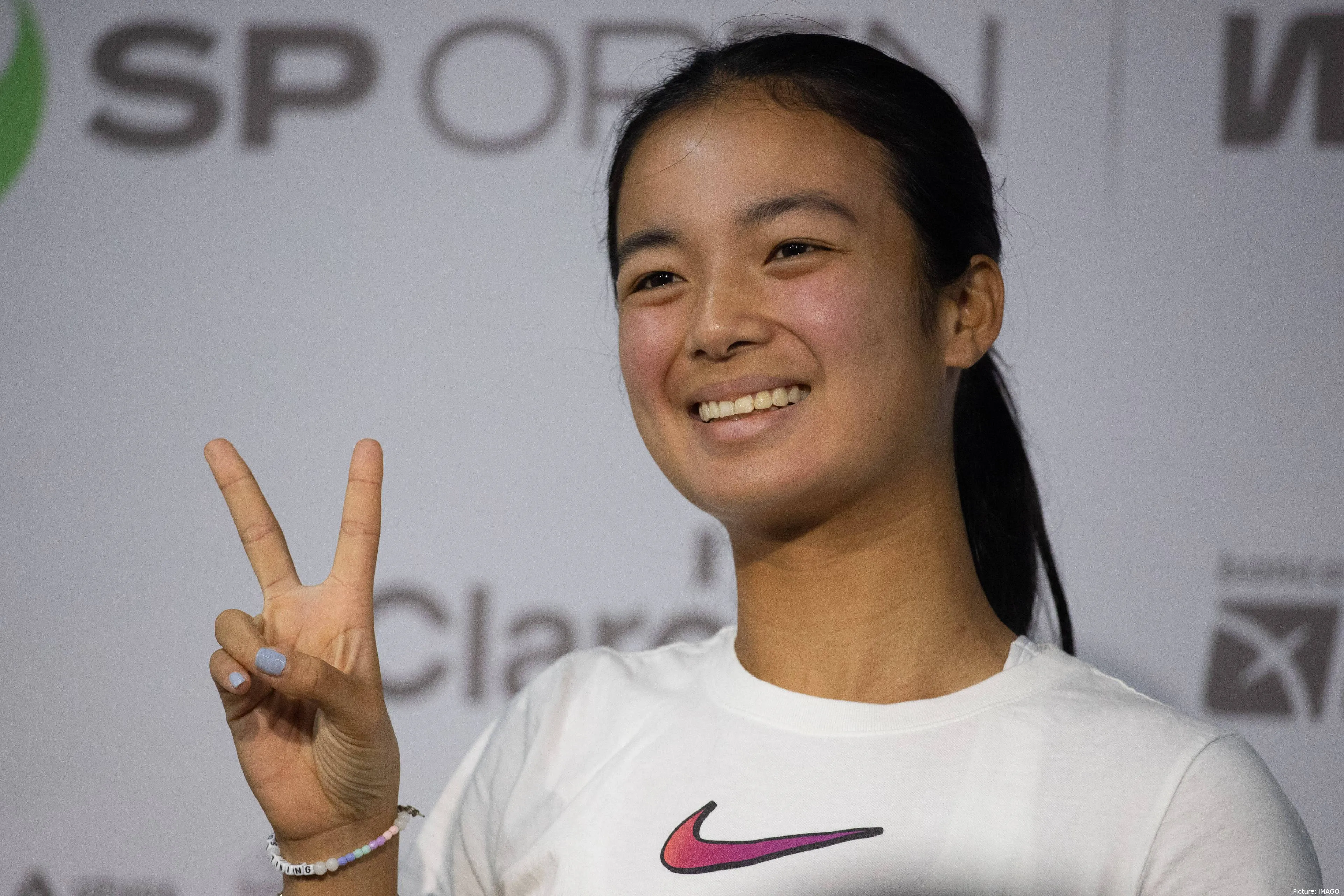
Looking ahead, the trajectory of Alex Eala suggests that her best achievements are still to come. With continued development and exposure to top-level competition, she is well-positioned to break into the elite tier of women’s tennis.
Analysts predict that she could soon become a consistent presence in Grand Slam quarterfinals and beyond. More importantly, she is expected to continue influencing the culture of the sport through her unique blend of skill and character.
Conclusion
The story of Alex Eala is more than a tale of rising success—it is the beginning of a transformation in global tennis. The “Eala Effect” symbolizes a shift toward authenticity, resilience, and meaningful connection in sports.
As her journey unfolds, one thing is certain: Alex Eala is not just playing the game—she is changing it.