

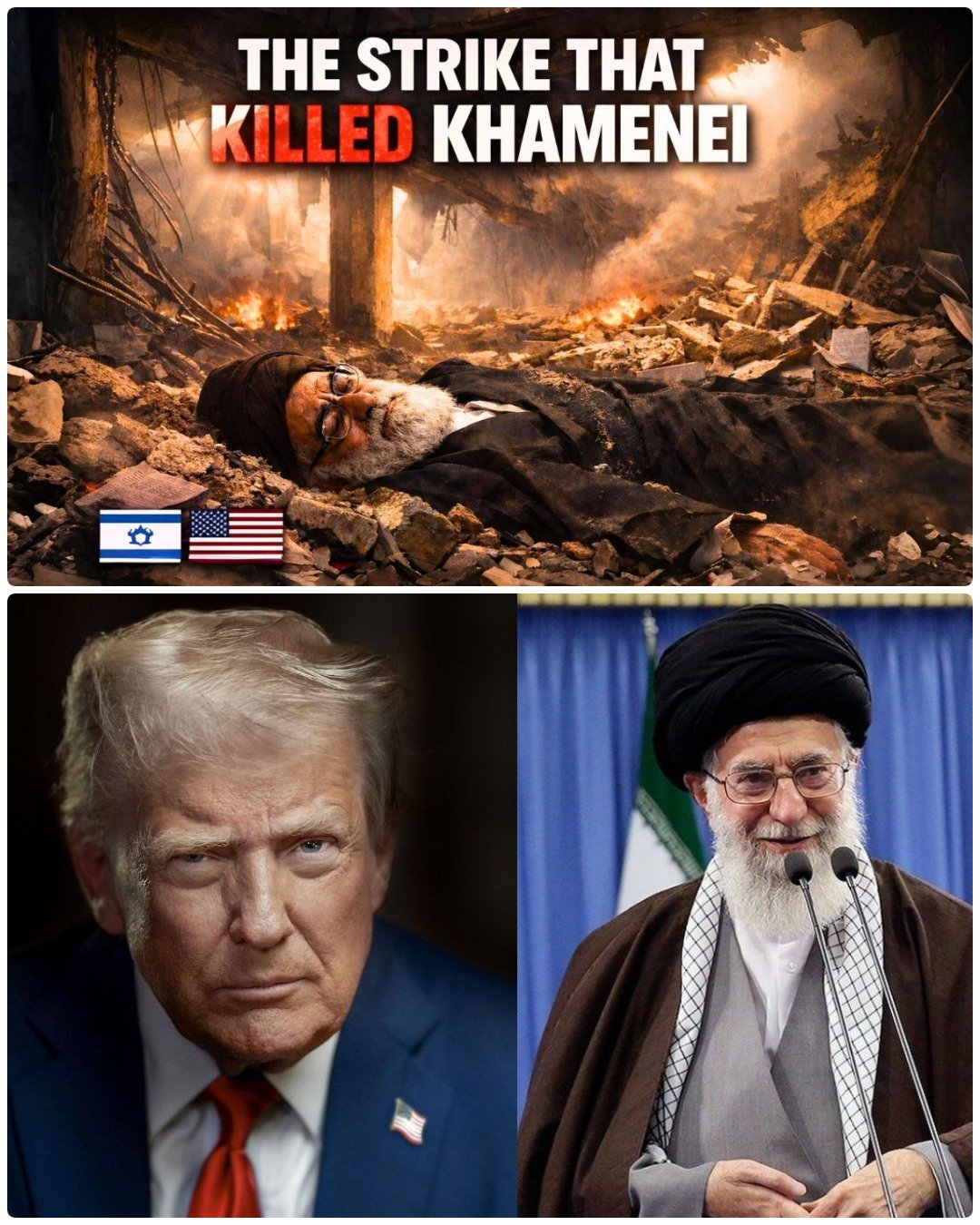
On the morning of February 28, 2026, the world witnessed a historic turning point in Middle Eastern geopolitics.
The United States and Israel launched the largest combined military strike in modern history, targeting none other than Iran’s Supreme Leader, Ayatollah Ali Khamenei.
This unprecedented coordinated aerial assault marked a significant escalation in the ongoing tensions between Iran and the West, leaving many to ponder the implications of this bold move.
Roughly 200 Israeli fighter jets were deployed, striking over 500 targets across Iran.
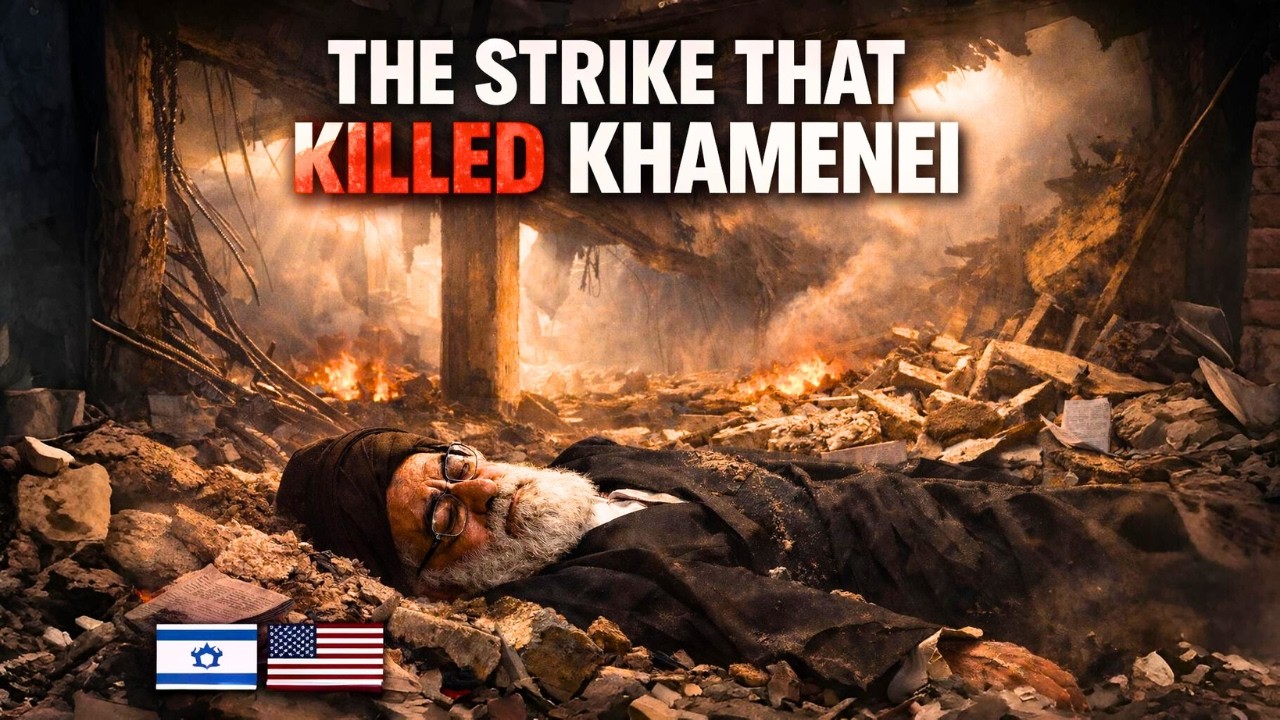
Simultaneously, the U.S. military initiated Operation Epic Fury, specifically aimed at dismantling Iran’s nuclear infrastructure, ballistic missile sites, and installations of the Islamic Revolutionary Guard Corps (IRGC).
The operation was meticulously planned for months, with intelligence suggesting that Iran’s top leadership had gathered in Tehran during Ramadan, making them particularly vulnerable.
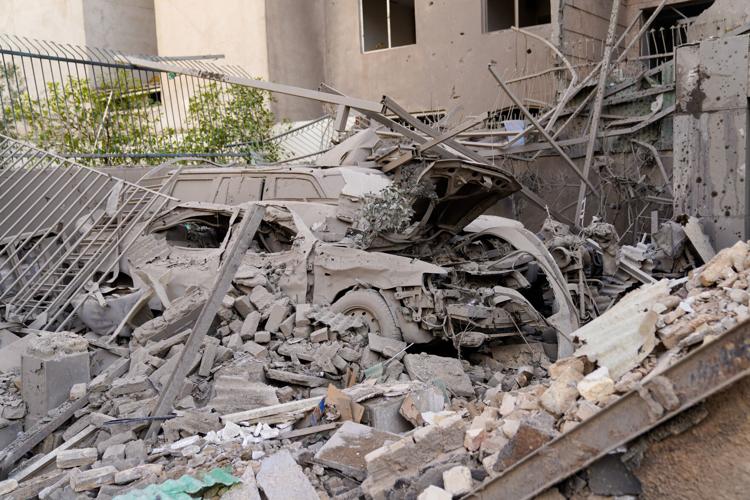
Khamenei’s compound in downtown Tehran was hit with approximately 30 bombs, reducing the fortified complex to rubble.
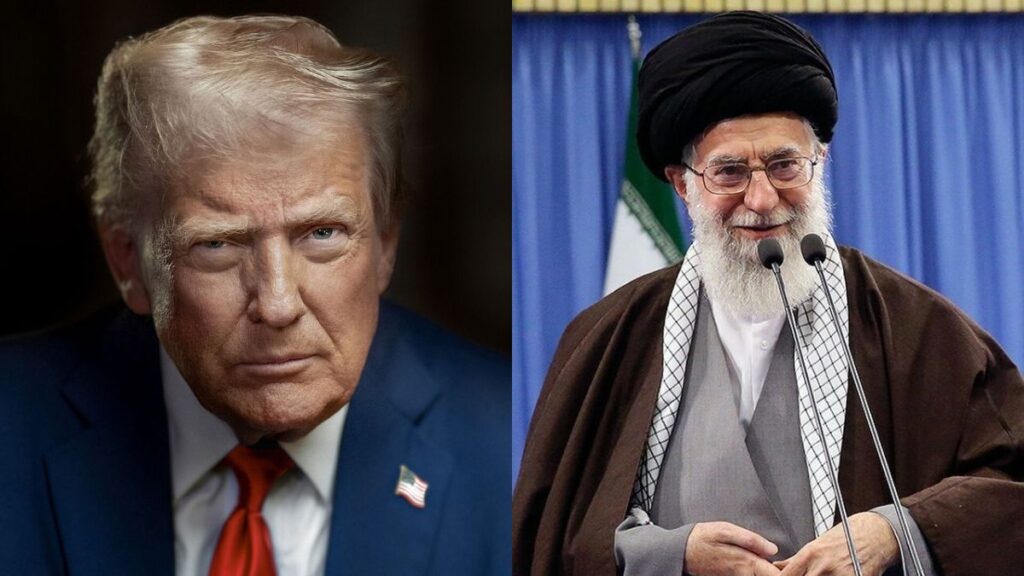
In a historic confirmation, President Trump announced Khamenei’s death via Truth Social, while Israeli Prime Minister Netanyahu declared the operation a success, emphasizing the close coordination with Washington.
This article delves into the intricacies of how the strike was planned and executed, exploring the intelligence that paved the way for this audacious operation.
The Planning and Execution of the Strike
The planning of this military operation was not haphazard; it was the culmination of years of intelligence gathering and strategic foresight.
Israeli intelligence had penetrated Iranian defenses deeply, allowing them to track the movements of key figures within the regime.
The decision to strike in broad daylight on a Saturday morning was a calculated risk, designed to maximize impact and minimize the chances of a swift Iranian response.
The operation’s success hinged on the element of surprise, and the planners executed their strategy with precision.
The coordinated decapitation strike resulted in the deaths of over 40 senior regime figures, including IRGC commanders, the defense minister, and the intelligence chief.
This level of success was unprecedented and marked a significant shift in the balance of power in the region.
The Aftermath: Reactions Inside Iran
The reaction within Iran was deeply divided.
State media broadcast mourning, portraying the loss of Khamenei as a national tragedy.
In stark contrast, ordinary Iranians took to the streets of Tehran, celebrating what they viewed as a liberation from oppressive leadership.
This dichotomy highlighted the complexities of Iranian society, where public sentiment often clashes with state narratives.
With no successor named and the constitutional body unable to convene under ongoing airstrikes, the Islamic Republic faced its most existential crisis since the 1979 revolution.
The sudden power vacuum left by Khamenei’s death raised questions about the future of Iran’s leadership and the potential for internal strife.

The Collapse of Iran’s Axis of Resistance
The strike not only targeted Khamenei but also aimed at the broader network of Iran’s Axis of Resistance.
This network, which includes various proxy groups across the Middle East, had long been a thorn in the side of both Israel and the United States.
With the loss of key leadership figures, the operational capacity of these groups was severely undermined.
The collapse of this network could have far-reaching implications for regional security and stability, as power dynamics shift in favor of U.S. and Israeli interests.
Historical Significance
The assassination of a sitting head of state by Israel is a historic first, raising ethical questions and legal implications that will be debated for years to come.
This act has set a precedent for how nations may engage with perceived threats in the future.
The ramifications of this strike extend beyond Iran, affecting relationships with other nations in the region and altering the landscape of international diplomacy.
As the dust settles from this military operation, analysts and policymakers alike will be scrutinizing its impact on future U.S. and Israeli strategies in the Middle East.
Conclusion: What Lies Ahead?
The death of Khamenei marks a pivotal moment in the ongoing saga of Middle Eastern politics.
As Iran grapples with the aftermath of this unprecedented strike, the world watches closely to see how the Islamic Republic will respond.
Will this lead to a power struggle within Iran, or will it galvanize the regime to retaliate against perceived aggressors?
Only time will tell, but one thing is certain: the landscape of the Middle East has irrevocably changed.
The implications of this military operation will resonate for years to come, shaping the future of regional and global politics.
As we look ahead, the question remains: what does this mean for the future of the Middle East and the delicate balance of power that has defined it for decades?
The answers may be as complex as the history that led to this moment.