

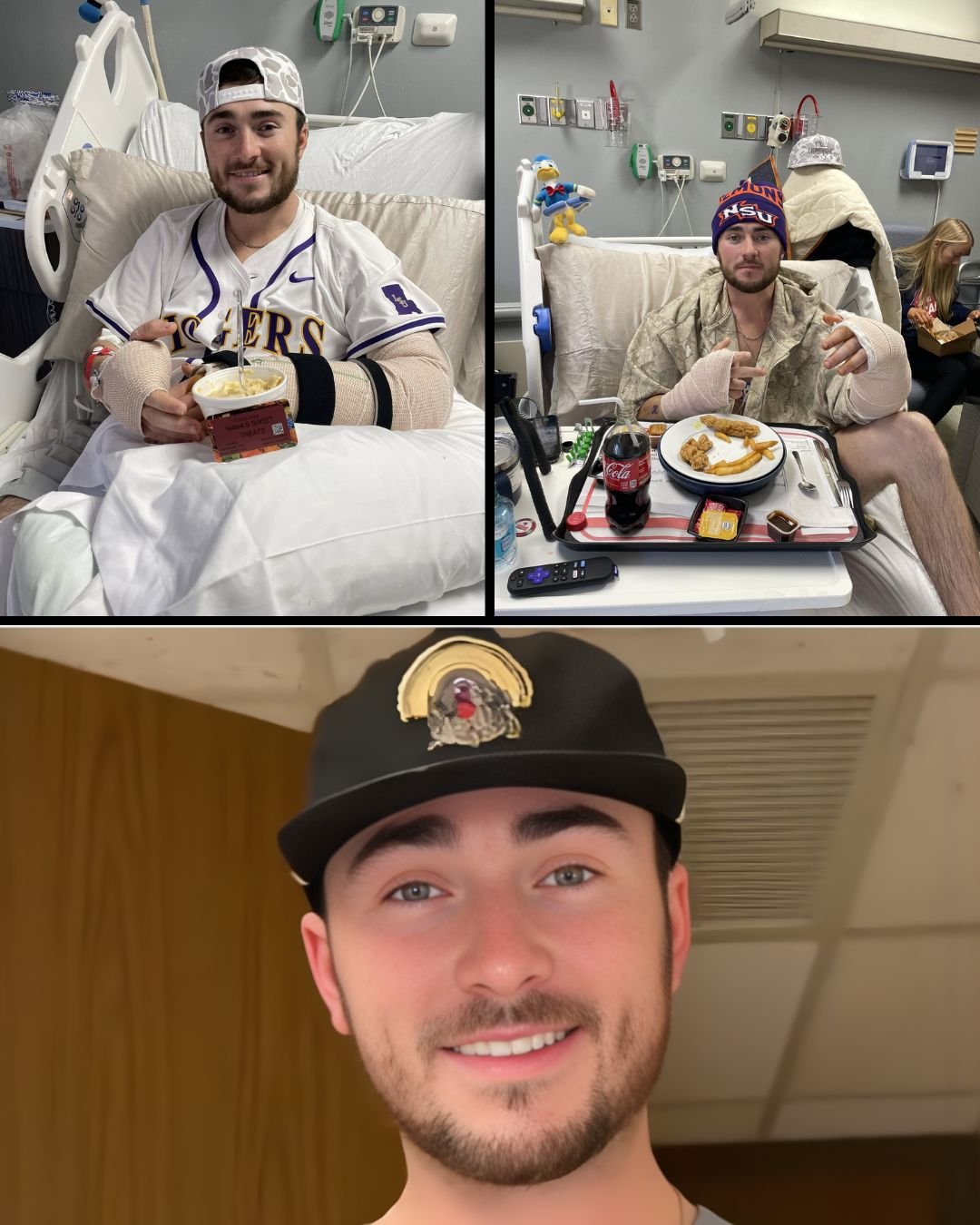
Tonight at 8:15 PM CST, Hunter Alexander’s care team transitioned his right arm from a portable wound vacuum system

to a direct wall suction system — a move that reflects increasing stabilization in his recovery.
To the average observer, it may sound like a routine equipment adjustment.
In complex electrical injury recovery, it is not.
It signals control.
8:15 PM — Why the Wall Suction Transition Matters
Portable negative-pressure wound therapy units are commonly used when mobility is needed.
They allow patients to move more freely while still maintaining suction at the wound site.
Wall suction, however, provides:
- Continuous, uninterrupted negative pressure
- Stronger and more stable fluid evacuation
- Reduced risk of pressure fluctuation
- Greater precision in monitoring output
In Hunter’s case, the transition suggests physicians are prioritizing maximum stability in the affected limb.
And there is another important detail:
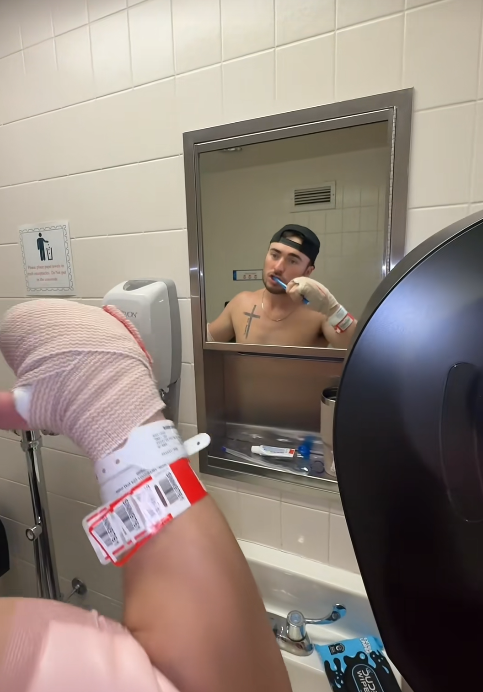
For the past 48 hours, drainage from his right arm has remained minimal.
In high-voltage electrical trauma recovery, low and steady drainage can indicate:
- Reduced active bleeding
- Decreasing inflammatory fluid production
- Improved vascular control
- Stabilizing tissue response
In short: the tissue is quiet.
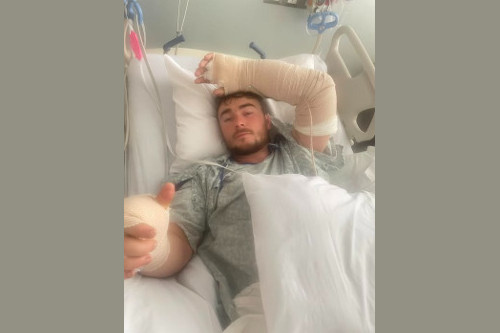
And in this phase of recovery, quiet is good.
The Context: Electrical Injury Recovery Is Nonlinear
High-voltage injuries — like the 13,000-volt surge Hunter survived — can cause delayed damage to blood vessels, muscle, and connective tissue.
Even when surface healing appears stable, deep tissue can continue evolving.
That’s why drainage trends matter so much.
The 48-hour milestone of low output is not a celebration point yet — but it is a measurable indicator that the surgical repair is currently holding.
Earlier in the Day: Signs of Strength
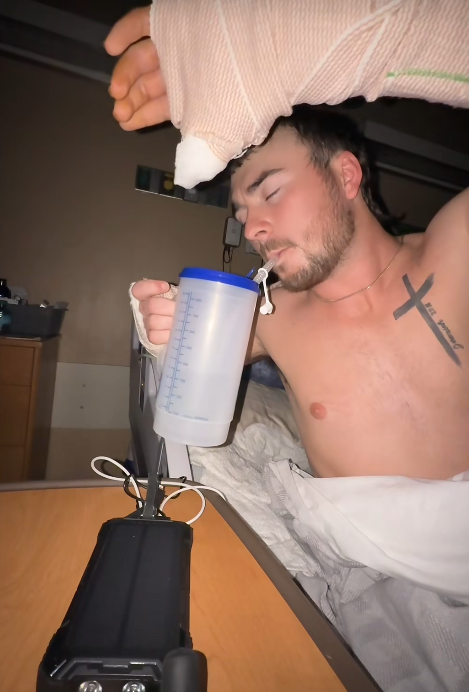
Before the suction adjustment, Hunter’s room carried a different kind of energy.
Visitors were present.
He was engaged.
He was eating.
In trauma recovery, caloric intake is critical. Healing skin, muscle, and nerve tissue requires significant energy. A patient eating well is not just a comfort sign — it’s a metabolic advantage.
Sitting upright. Conversing. Tolerating activity.
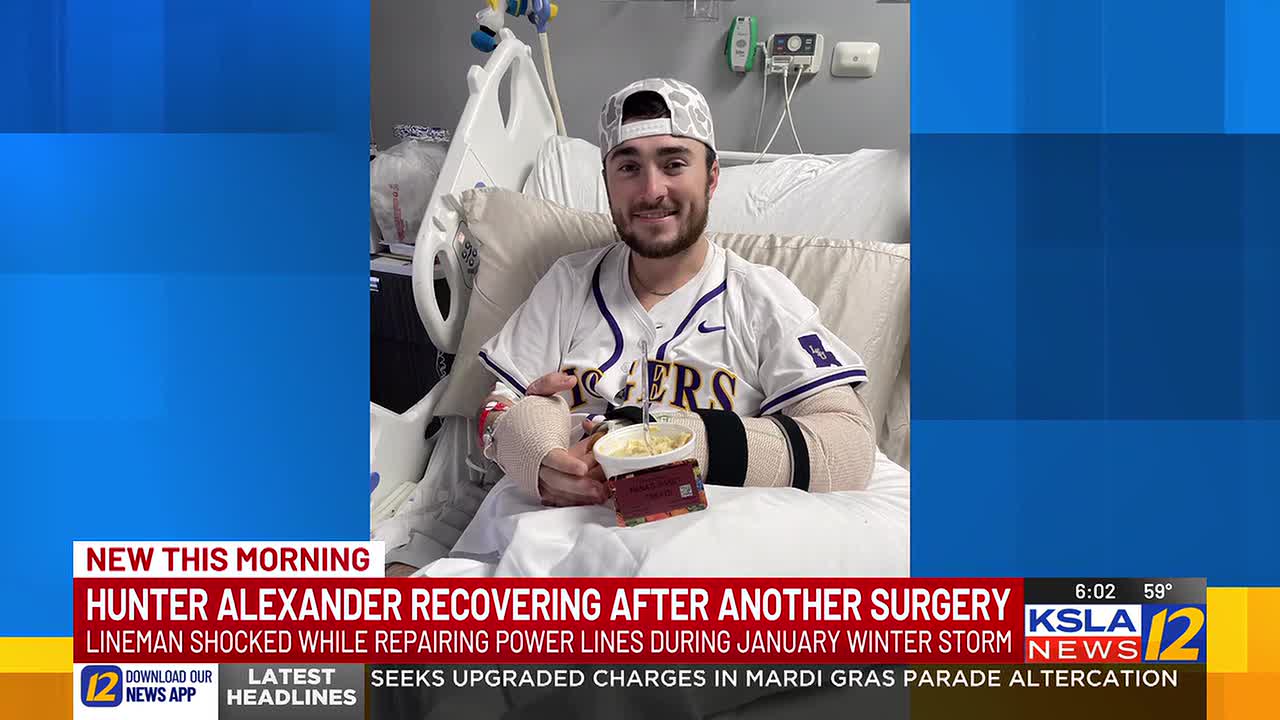
Each of those markers adds to the broader picture of stabilization.
The Next 72 Hours
Surgeons are watching closely.
If minimal drainage continues and no vascular instability emerges, the team may begin planning for the next stage of reconstruction.
That stage could involve:
- Continued tissue maturation monitoring
- Microvascular assessment
- Gradual transition toward reconstructive procedures

But no timeline is being rushed.
Electrical injuries demand patience.
Why the Night Matters
In trauma wards, overnight hours are often the most challenging. Pain can intensify.
Inflammation can fluctuate. Hemodynamic shifts are more common during extended rest cycles.
The wall suction system provides constant support during this vulnerable window.
It is not dramatic.
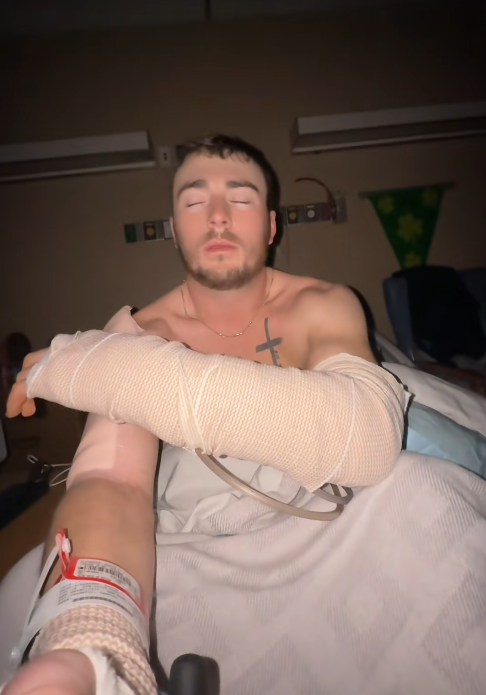
It is deliberate.
Where Things Stand Now
- Right arm connected to direct wall suction
- 48 hours of minimal drainage
- No reported acute vascular instability
- Nutritional intake improving
- Family at bedside
The hum in Room 302 tonight is steady.
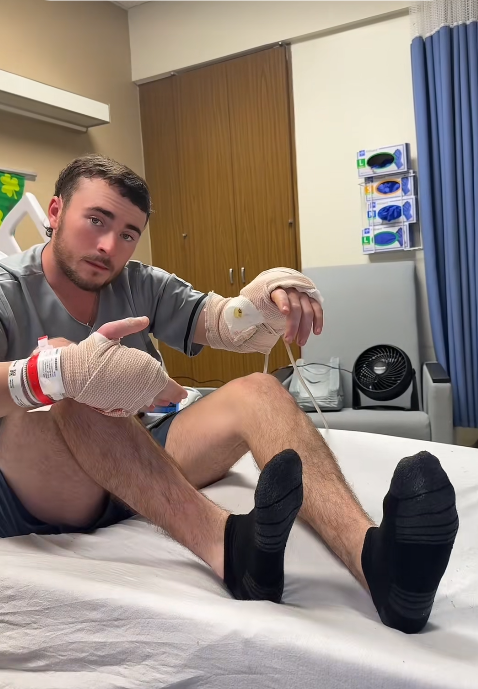
The machines are working.
And so is Hunter’s body.
The 48-Hour Milestone
Electrical injury recovery is unpredictable. Stability must be sustained, not assumed.
But 48 hours of controlled drainage is meaningful.
The question now becomes:
Will that trend hold through the next monitoring window?
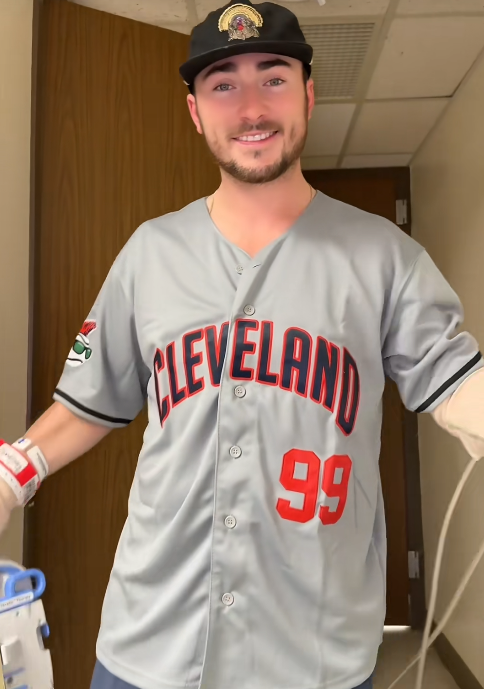
For now, the answer is cautious optimism.
Hunter remains under careful supervision, supported by advanced wound management systems and a coordinated medical team.
The road ahead is long.
But tonight, stability is holding.
And in trauma recovery, holding the line is sometimes the most important victory of all.
If you’d like, I can also provide:
- 🔥 A more emotional / viral version
- 🩺 A more technical medical brief format
- 📰 A tighter newsroom-style update
- 📱 A shorter social media optimized post