


The Toronto Blue Jays’ 2026 season is starting to feel less like a sprint and more like a survival test, and the latest update from inside the clubhouse has only intensified that reality. A sudden wave of injuries has stripped consistency from the roster, forcing the team to constantly reshuffle lineups while searching for stability in both offense and defense. At the center of the latest concern is young infielder Addison Barger, whose absence has quietly become one of the most impactful storyline shifts in Toronto’s early season struggles.
Barger was placed on the 10-day injured list after suffering a left ankle sprain during what was described as a routine hustle play—an innocent-looking moment that quickly turned costly. What initially seemed like a short-term setback has now stretched into nearly ten games missed, and the ripple effect is being felt across a Blue Jays lineup already fighting to generate consistent offense. In a season where every early win matters, Toronto suddenly finds itself trying to patch holes it didn’t expect this soon.
Manager John Schneider finally addressed the situation, and while his tone was calm, the message carried weight. According to Schneider, the organization is deliberately avoiding any rush to bring Barger back, choosing instead to prioritize long-term health over short-term urgency. The team is reportedly monitoring his recovery closely, with no official return date set, a detail that has only fueled more speculation among fans eager for answers.
Behind the scenes, the Blue Jays’ medical and coaching staff are said to be treating the injury with caution due to the unpredictable nature of ankle sprains. It’s not just about healing—it’s about preventing a setback that could linger deep into the season. That cautious stance has sparked a quiet tension between urgency and patience, especially as Toronto continues to struggle at the plate without one of its more versatile bats.
But the real debate isn’t just about timing—it’s about value.
Before the injury, Barger’s 2026 start was underwhelming on paper. He managed just one hit in his first 19 at-bats, a slow opening stretch that mirrored the broader offensive inconsistency plaguing the team. Critics were quick to question his form, but inside the organization, the belief has remained steady: those early numbers don’t define his ceiling.
That confidence is rooted in what Barger already proved last season.
In 2025, he emerged as one of Toronto’s more reliable young contributors, posting a .243 batting average with a .756 OPS, along with 21 home runs and 74 RBIs over 135 games. More importantly, he delivered in high-pressure moments, playing a meaningful role in the Blue Jays’ deep postseason run to the World Series. That experience elevated his reputation from developing talent to trusted postseason asset.
Now, with that history in mind, Toronto is refusing to gamble with his recovery.
The organization’s approach reflects a broader reality: this season is no longer just about individual performances, but about survival through attrition. The Blue Jays have already seen how quickly momentum can shift when key players go down, and Barger’s absence has only amplified that pressure. Every missed game adds weight to an already fragile offensive structure, forcing others to step into roles they weren’t fully prepared for this early in the year.
Still, the message from Schneider remains consistent—this is not a panic situation. It is a calculated delay designed to protect a long-term contributor in a season that is far from decided. But in a competitive American League landscape where every series matters, patience can feel like a gamble in itself.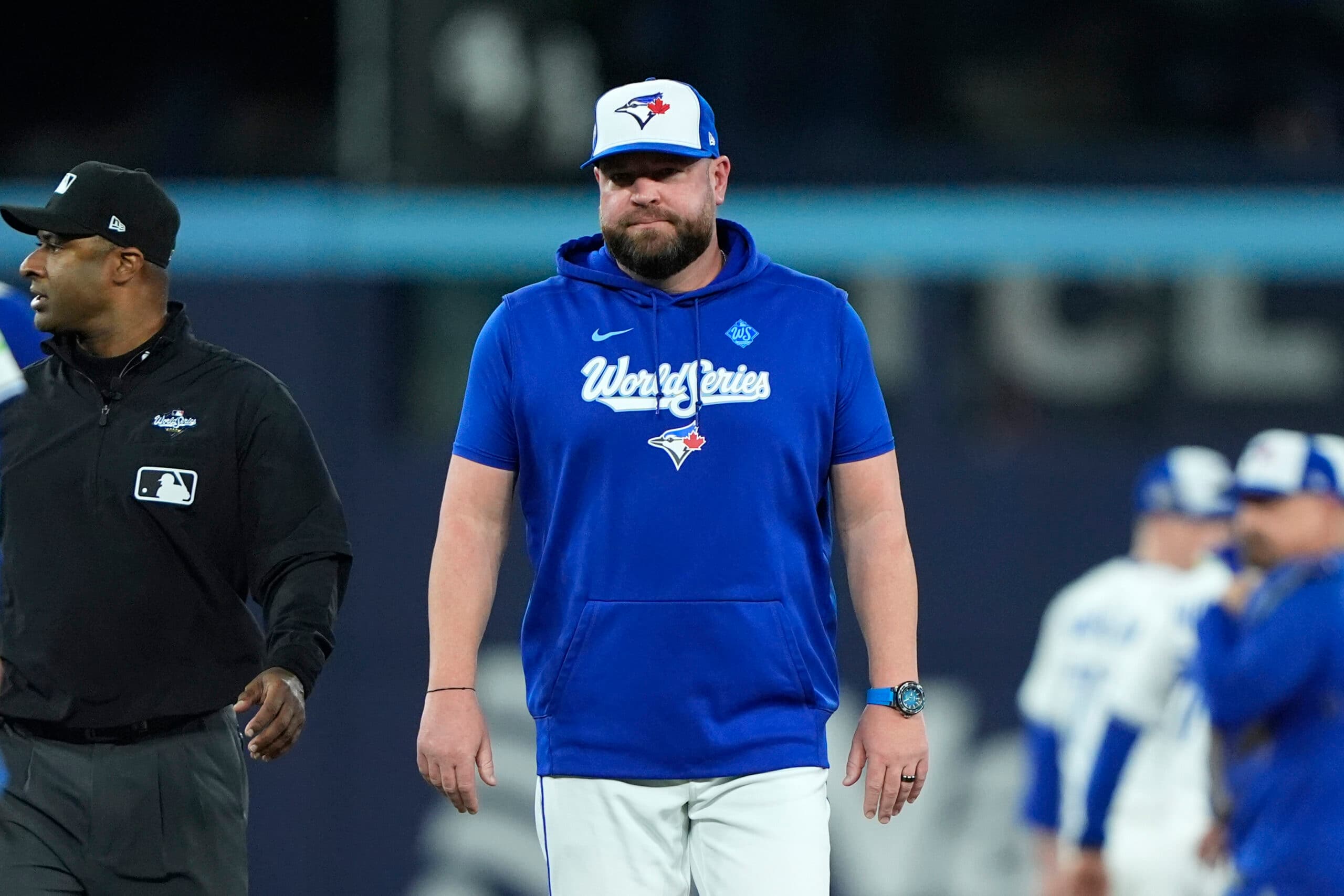
And that’s where the tension now sits.
The Blue Jays are not short on talent. They are short on availability. And until Barger returns at full strength, the question hanging over the organization is whether careful patience will pay off—or whether these early missed games will echo deeper into the season than anyone is willing to admit.
For now, Toronto waits, watches, and hopes the strategy holds. But in baseball, time rarely waits with you.