History is often remembered through its most recognizable images: soldiers advancing beneath national flags, powerful leaders standing before cheering crowds, and carefully composed portraits of people whose names would eventually appear in textbooks.
These photographs shape how generations imagine the past, giving distant events a familiar visual identity. Yet beyond the celebrated images lies another record, less orderly and sometimes far more difficult to confront. In archives, family albums, private collections, and forgotten photographic boxes, ordinary people continue to emerge from the shadows of time. Their faces tell stories that official narratives can overlook: children working in crowded streets, soldiers enduring the long hours between battles, women challenging the expectations of their age, and communities whose suffering was rarely represented on their own terms.
These rare photographs do not automatically overturn everything we know about history. Instead, they invite us to look again, examine the evidence more carefully, and recognize that the past was never experienced in the same way by everyone who lived through it.
A photograph of a nineteenth-century street market may initially appear unremarkable. Wooden stalls line a narrow road, vendors arrange their goods, and customers move between baskets, carts, and crowded storefronts. The buildings may look unfamiliar, and the clothing belongs unmistakably to another age. Yet the longer we examine the scene, the more details begin to matter. A child stands beside an adult, carrying a load that seems heavy for such a small frame. Another worker looks toward the camera, perhaps interrupted in the middle of a routine task. Faces in the background reveal a world that the photographer may never have intended to explain.

These details can make an ordinary street scene historically significant. The nineteenth century brought rapid urban growth and industrial expansion to many parts of Europe and North America. New transport systems, factories, commercial networks, and technologies changed how people worked and where they lived. But economic growth did not guarantee that everyone benefited equally. Crowded housing, poor sanitation, insecure employment, and child labor remained serious problems in many communities.
Photographs can help make these conditions visible, especially when combined with newspapers, census records, inspection reports, and personal accounts. A child carrying a basket in an old market photograph may prompt questions about the child’s age, working conditions, and family circumstances. However, the image alone cannot establish that the child was being exploited, how many hours the child worked, or whether the scene was typical of the entire city.
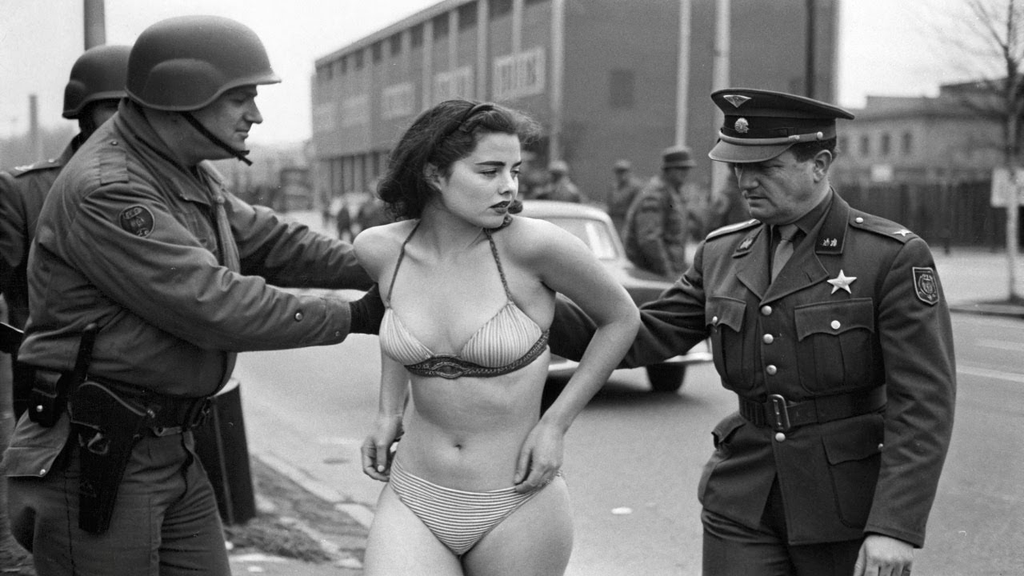
This distinction matters because the power of historical photography can encourage viewers to make assumptions. A picture feels immediate. Unlike a paragraph in a history book, it appears to place us directly in front of the people who lived through the event. Yet every photograph has limits. The camera captures a particular moment from a particular viewpoint, while the larger circumstances may remain outside the frame.
A market photograph becomes more revealing when its location and date can be established. Researchers can compare its visible streets and buildings with maps, identify businesses through directories, and investigate working conditions through contemporary reports. In some cases, the people themselves may remain unidentified. Even then, the image can offer valuable evidence about clothing, tools, transport, street design, and the physical organization of everyday life.
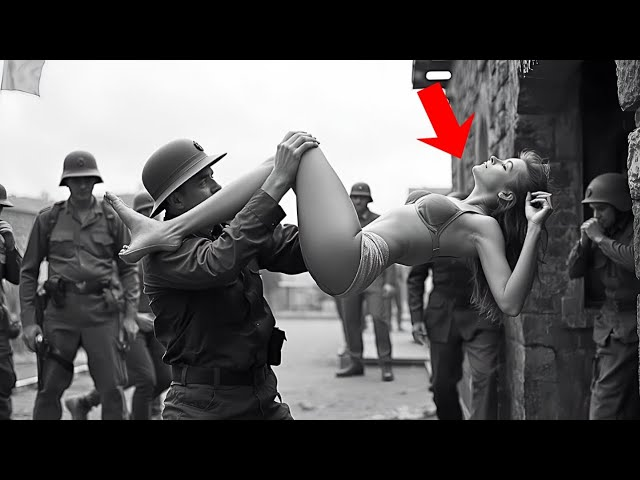
The ordinary scenes of history deserve this kind of attention because they reveal what grand narratives often leave behind. Political speeches explain what leaders wanted people to believe. Economic statistics describe broad trends. Photographs can bring the discussion back to the individuals whose lives were shaped by those decisions.
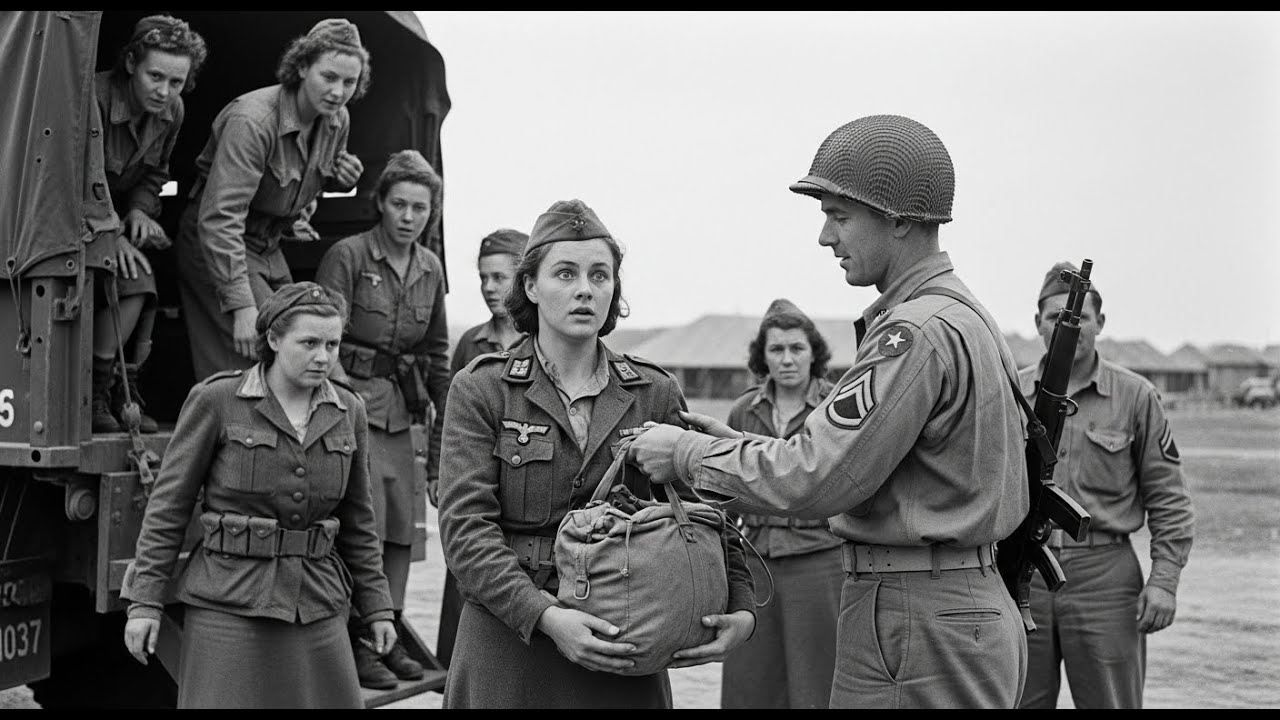
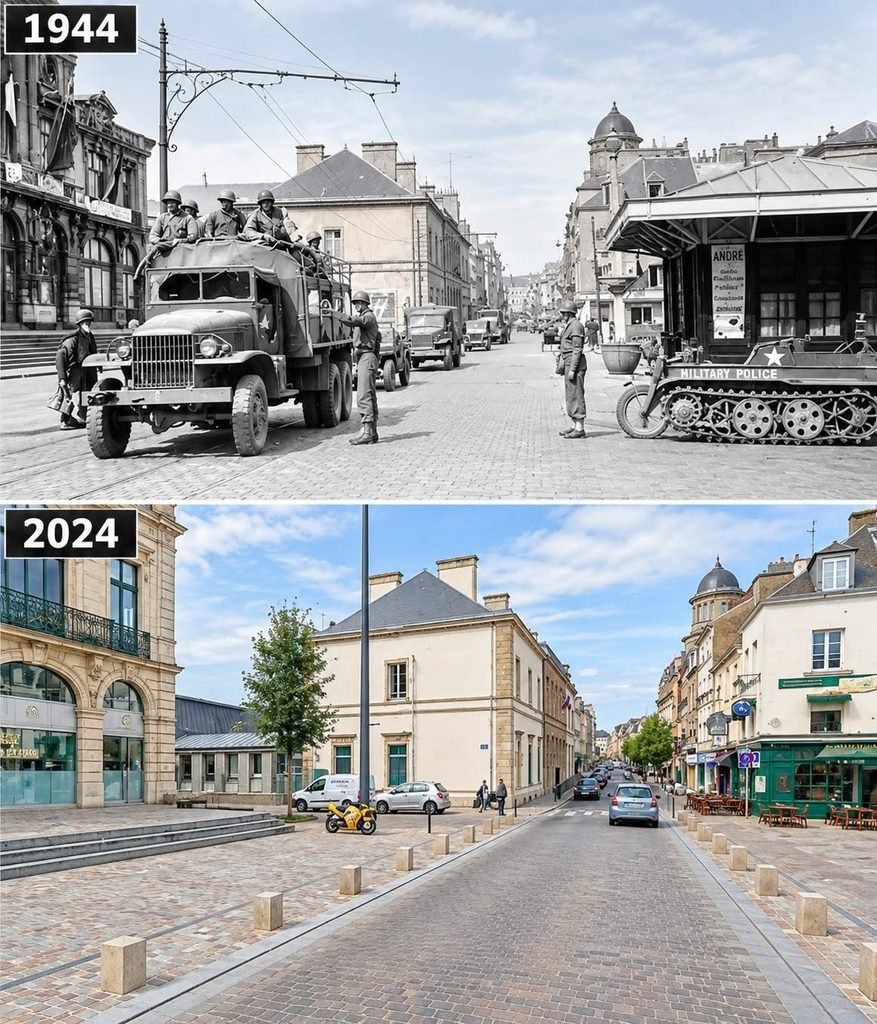
The same principle applies to the history of war. Popular images frequently emphasize the moments that appear decisive: troops crossing a battlefield, commanders studying a map, flags rising above captured positions, or soldiers returning home to celebrate victory. Such images can be historically important, but they represent only a fraction of what military life involved.

For most soldiers, war was not a continuous sequence of dramatic advances. It was also waiting, exhaustion, uncertainty, homesickness, and the repetitive work required to remain alive. Men and women serving in wartime environments had to eat, sleep, maintain equipment, care for the wounded, exchange messages, and endure long periods in which the next development remained unknown.
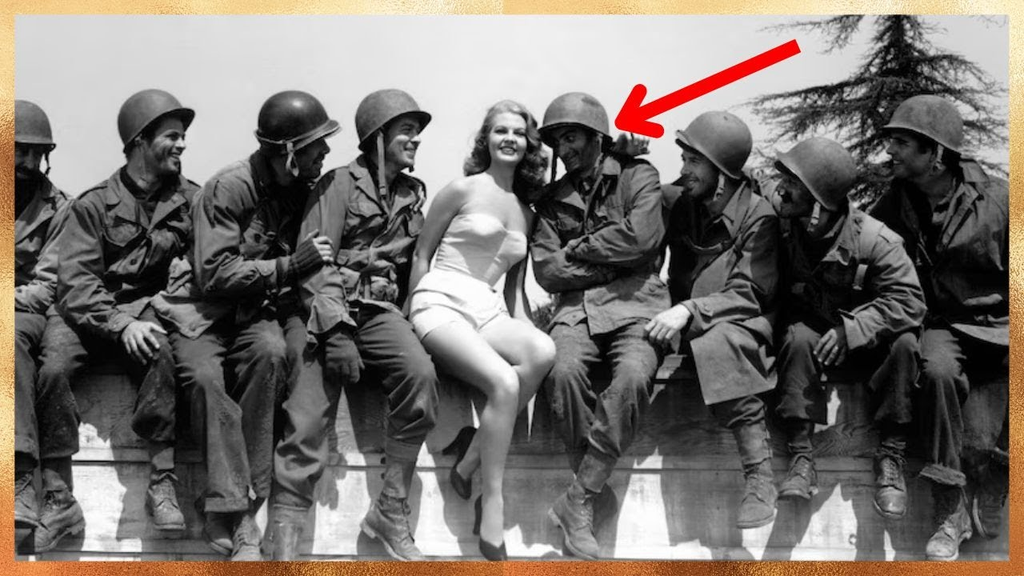
Photographs of these quieter moments can change how we understand military history. A group of soldiers gathered around a meal may reveal the importance of shared routines. A portrait of a serviceman holding a letter may point toward the communication that connected the front with families far away. An image of wounded men receiving treatment may show the logistical and human demands of caring for casualties.
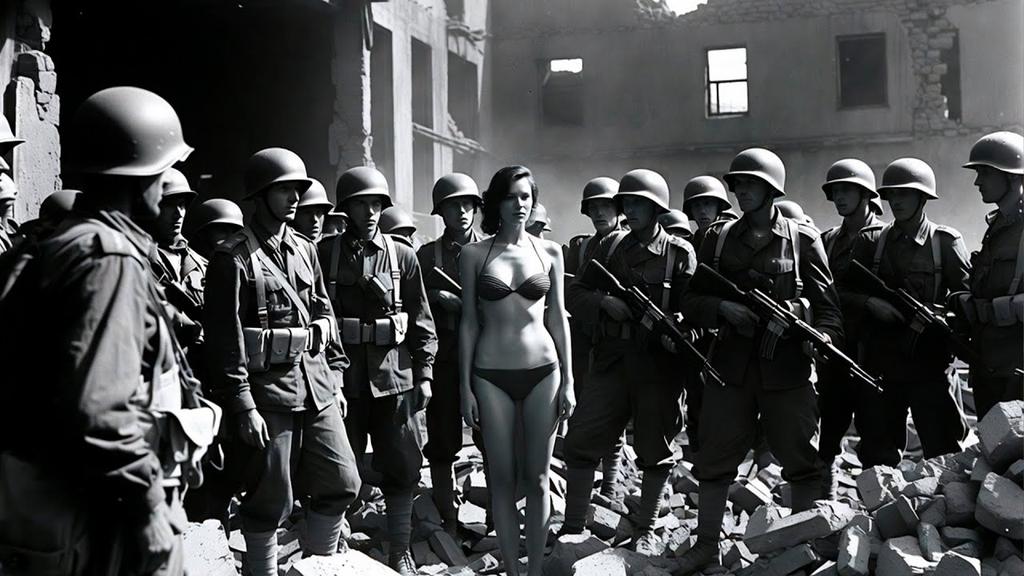
But the specific stories sometimes attached to such photographs require verification. An image of a soldier looking down at a piece of paper does not prove that he was crying while writing to his family. A group gathered in a trench does not necessarily indicate that the men were sharing a final cigarette before an attack. Such interpretations may sound plausible, but they cannot be presented as established facts without supporting evidence.
Historical photographs are most powerful when we allow them to tell us what can genuinely be seen while investigating what cannot. The soldier’s posture, uniform, surroundings, and equipment may provide clues to the setting. A date, original caption, military record, or accompanying letter may reveal more about the moment. Without those sources, the photograph should remain an image with unanswered questions rather than become the illustration for an invented scene.
ions.

The image becomes more meaningful when it is placed alongside records of the team, newspaper coverage, school histories, or accounts of the players themselves. These sources can help establish whether the photograph depicts a local club, a school activity, an exhibition, or a more organized competition.
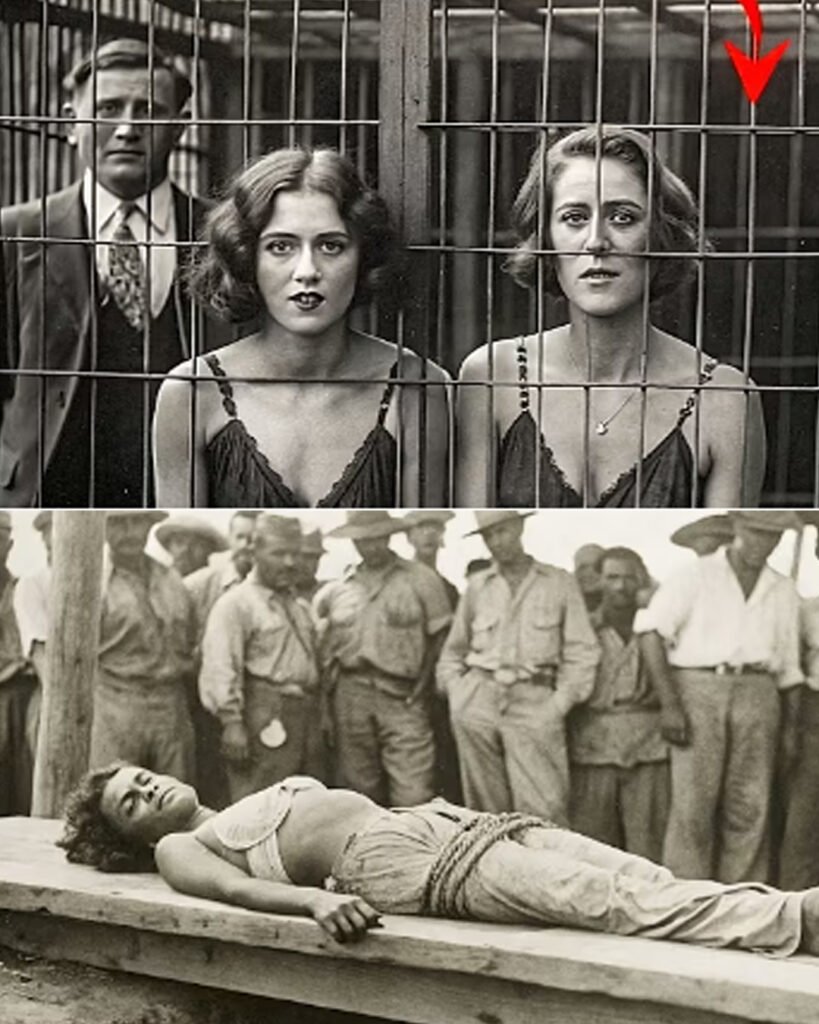
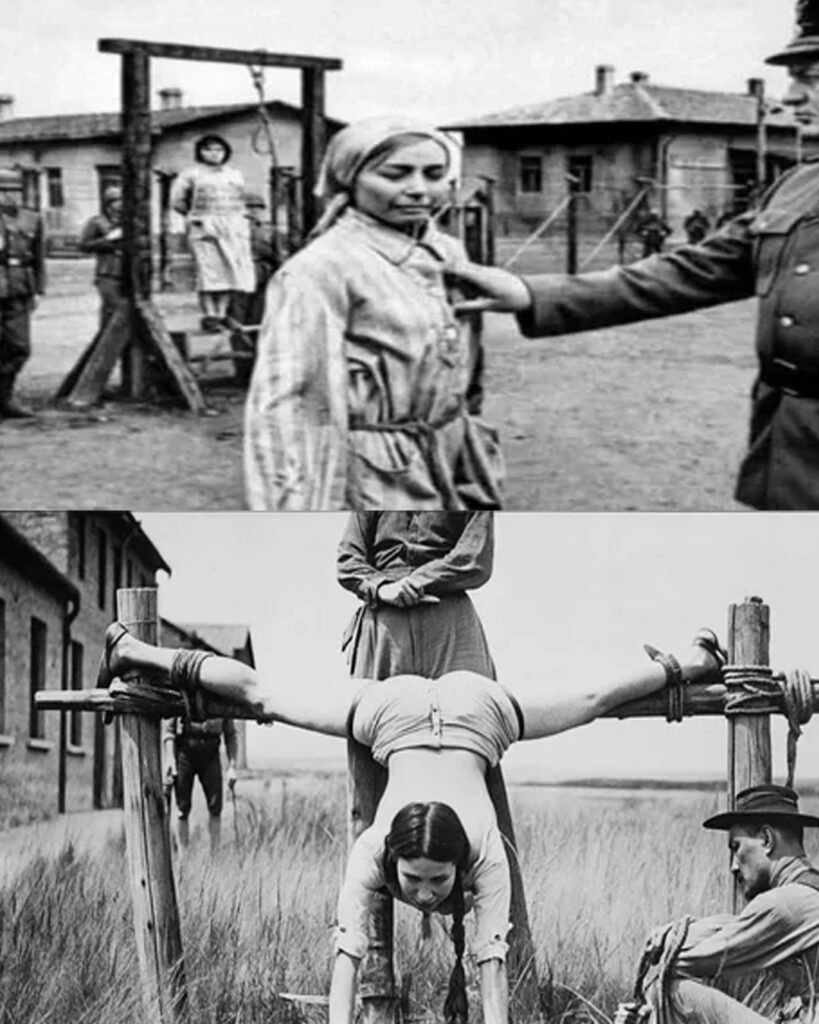
Photographs of lynchings are among the most disturbing documents in American visual history. Some were produced by photographers who documented the events; others were reproduced as postcards and circulated among people who treated the violence as a public spectacle. The existence and circulation of these images reveal a brutal contradiction: photography could record evidence of injustice while also being used to celebrate, normalize, or disseminate the very violence it documented.

Such photographs must be approached with particular care. Their historical value is undeniable, but their subjects were people whose lives and dignity were violently taken away. Reproducing the images without context can repeat the dehumanization inherent in their original circulation. A sensational caption may attract attention while obscuring the social structures and individuals responsible for the crime.
At the same time, removing these photographs from historical discussion altogether can conceal evidence of how racial terror operated. Researchers, museums, educators, and descendants have used documentary records, including photographs, to challenge denial, preserve memory, and identify the victims of racial violence.
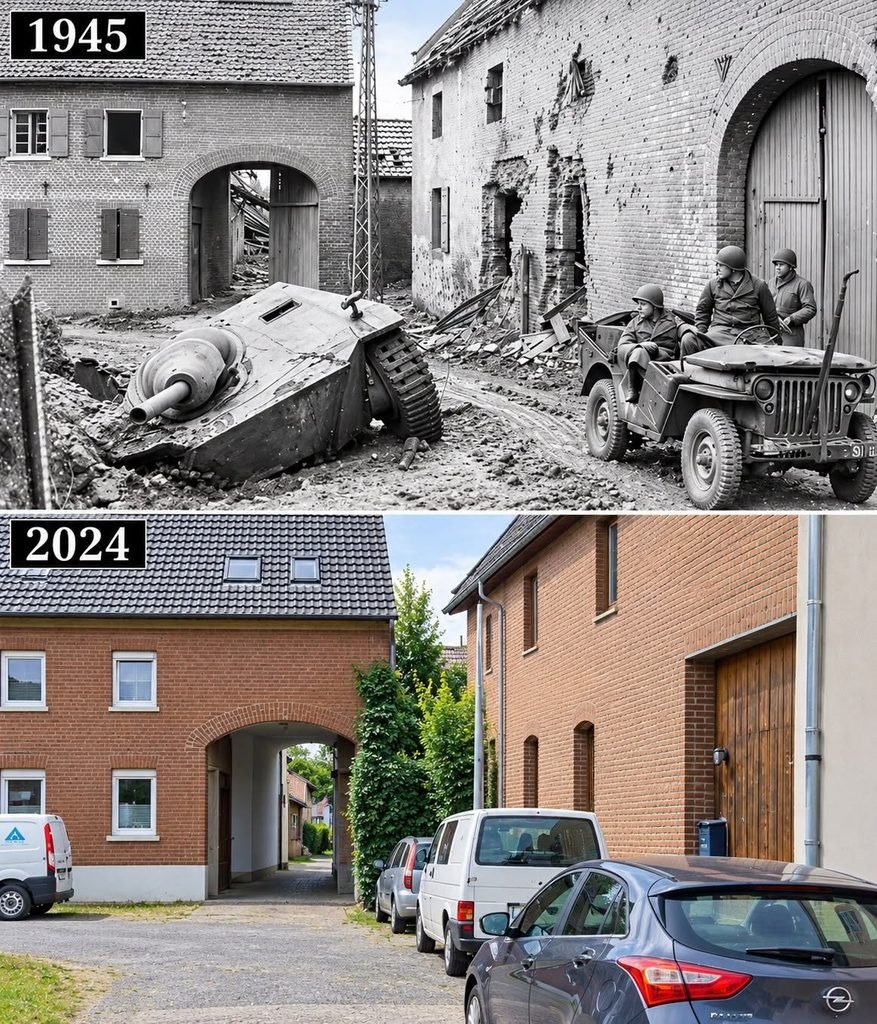
The responsible approach is neither to treat such images as entertainment nor to assume that their disturbing content makes them unsuitable for all forms of public education. Their presentation should be guided by historical purpose, respect for the people depicted, appropriate context, and awareness of the harm that careless circulation can cause.
Where possible, researchers should identify the victim, establish the location and date, examine the original source, and explain the historical circumstances surrounding the photograph. A victim should not be reduced to an anonymous figure beneath a crowd. Their identity, family, community, and life beyond the moment of violence deserve attention.

gation into the lives and choices of human beings.
Looking at a rare old photograph, we may initially be drawn to its unfamiliar appearance or the dramatic story attached to it. But the more important question is what the evidence can genuinely teach us. Who are the people in the frame? What circumstances shaped their lives? Whose perspective is missing? What can we verify, and what remains uncertain?
The answers will not always be complete. Some photographs will remain unidentified, and some histories will never be fully recovered. Yet even an incomplete image can remind us that the past was made up of countless individual experiences, many of which never entered the official narrative.
The people who lived through those experiences did not know how their world would eventually be described. They could not see the historical categories into which later generations would place them. They were simply living in their own time, making decisions, facing difficulties, celebrating achievements, and trying to understand the world around them.
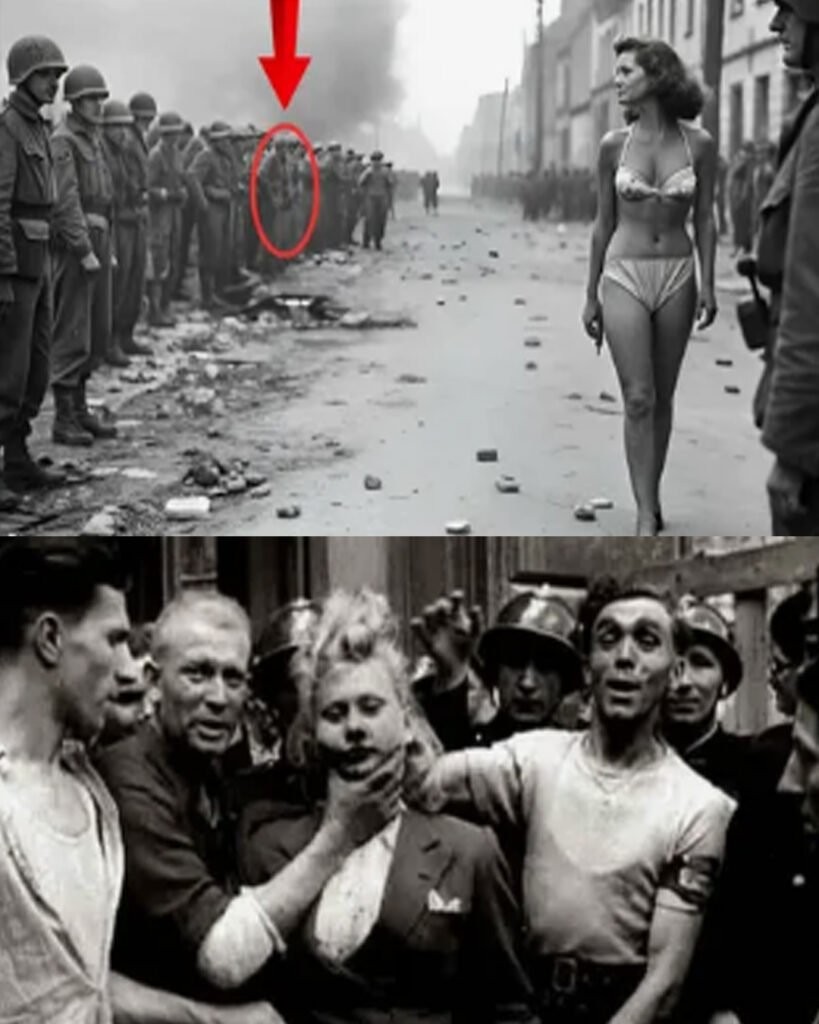
When their photographs reach us, they offer an opportunity to look beyond familiar historical symbols and encounter the people who stood outside the spotlight. Their presence complicates easy narratives and challenges us to consider not only what societies remember, but also what they have overlooked.
The most honest view of history is not necessarily the most comfortable one. It is the one willing to examine the evidence, recognize contradictions, acknowledge suffering, and resist the temptation to turn uncertainty into a sensational story. Rare photographs can help us move toward that understanding, provided we treat them as historical records rather than unquestionable windows into the past.
As these forgotten faces emerge from archives and family collections, one question remains: when a photograph challenges the version of history we have always known, should we change our understanding immediately, or should we first investigate the evidence that explains what the image truly reveals?
Some content was generated using AI tools (including ChatGPT) and edited by the author for creativity, storytelling, and historical illustration purposes. Historical facts and key details should be verified against reliable historical sources. Any AI-generated or reconstructed visuals are intended for illustrative purposes and should not be interpreted as original historical photographs or archival evidence.
Để lại một bình luận