

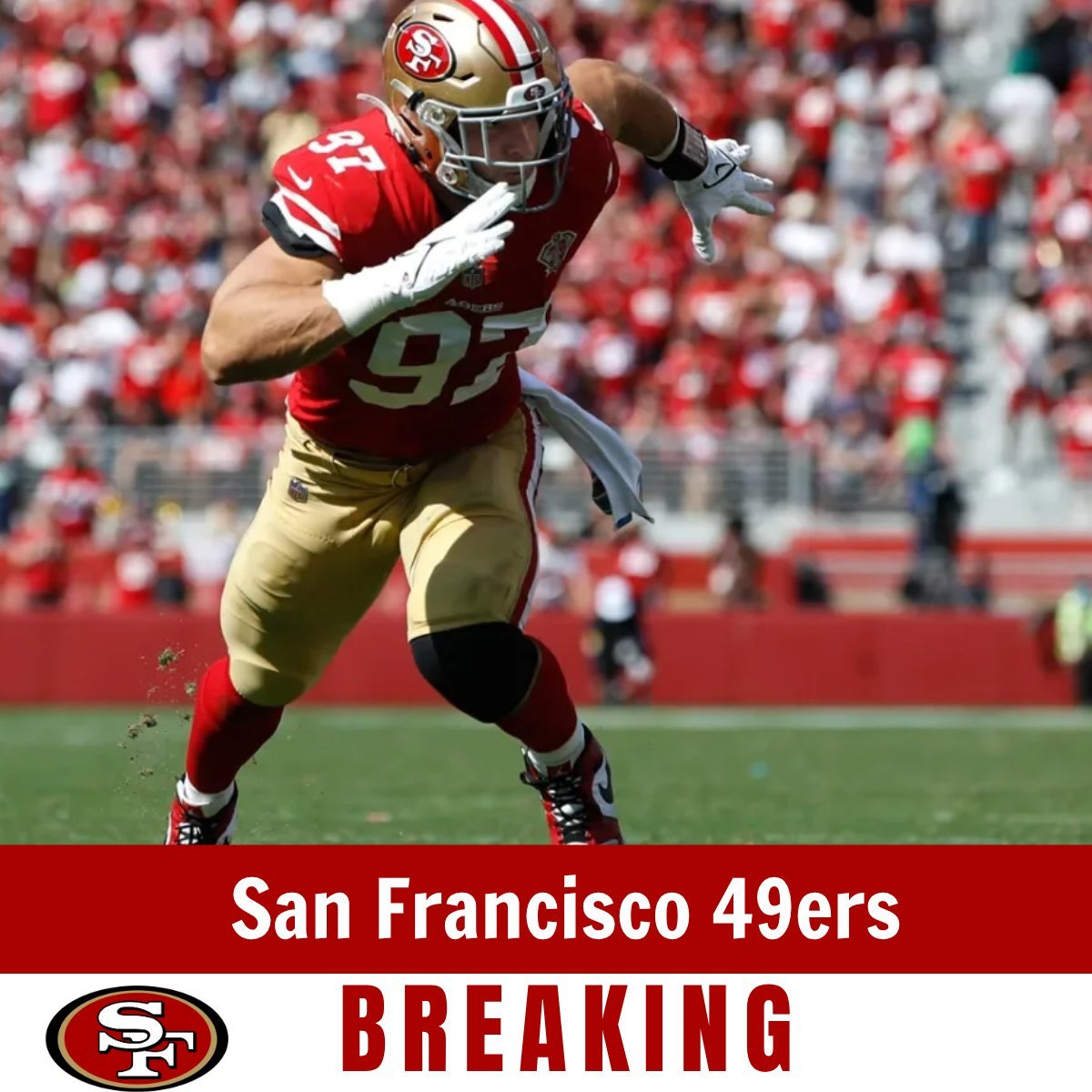
49ers Roster Takes Shape After 2026 Draft
The San Francisco 49ers emerged from the 2026 NFL Draft with a roster blueprint that reveals both clarity and uncertainty. Franchise cornerstones Brock Purdy at quarterback and Christian McCaffrey at running back anchor a starting lineup that appears largely settled across multiple position groups. Yet three critical battles—at left guard, cornerback, and safety—remain wide open as the team prepares for training camp in late July.
General manager John Lynch and head coach Kyle Shanahan have constructed a veteran-heavy roster supplemented by draft picks who will compete for depth roles rather than immediate starting spots. The 53-man projection reflects this philosophy: established stars hold most starting positions, while rookies like linebacker Jaden Dugger and running backs Kaelon Black and Jordan James fight for roster security.
Training camp will determine whether returning starters can fend off challenges from new additions, particularly in the secondary where new defensive coordinator Raheem Morris brought his own personnel preferences. The timeline is tight—public practices begin July 23 at Levi’s Stadium, with Week 1 scheduled for September 10 in Melbourne, Australia.

Offensive Starters Largely Locked In
The offensive depth chart features minimal drama at most positions. Brock Purdy enters his fourth season as the unquestioned starter, with veteran Mac Jones providing experienced backup insurance. This quarterback room is set in stone heading into camp.
Christian McCaffrey remains the centerpiece of the rushing attack, with fullback Kyle Juszczyk continuing his dual-threat role. The only backfield competition involves rookies Kaelon Black and Jordan James battling for the RB2 designation—a depth question rather than a starting debate.
The receiving corps gained star power through free agency. Mike Evans signed a three-year, $42.5 million contract featuring $14.3 million fully guaranteed, instantly claiming the WR1 role. He joins Ricky Pearsall in the starting lineup, while De’Zhaun Stribling appears positioned to secure the third spot if he can outperform Jordan Watkins and Demarcus Robinson during camp.
Tight end presents the roster’s most significant health question. George Kittle tore his right Achilles tendon on January 11 during the Wild Card playoff victory over Philadelphia. He underwent surgery three days later and has progressed well through rehabilitation—walking unaided, performing calf raises, and even golfing by late April. General manager John Lynch stated on April 25 that Kittle has a realistic chance to return for Week 1, though training camp management will be necessary. Jake Tonges provides injury insurance if the All-Pro tight end needs additional recovery time.
The offensive line features four established starters: future Hall of Famer Trent Williams at left tackle, center Jake Brendel, right guard Dominick Puni, and right tackle Colton McKivitz. Only the left guard position remains unsettled, creating one of the offense’s few genuine competitions.

Defensive Front and Linebacker Depth Established
The defensive projection reveals greater clarity along the front seven. The base run-defending front features Mykel Williams, Osa Odighizuwa, Alfred Collins, and perennial All-Pro Nick Bosa. This quartet prioritizes size and gap integrity against the run.
Pass-rushing situations trigger a personnel shift. Romello Height replaces Collins, bringing superior speed off the edge while Williams moves inside. This adjustment transforms the front into a faster, more athletic unit designed to generate pressure on obvious passing downs.
Linebacker depth remains elite but offers no starting competition. Fred Warner and Dre Greenlaw form one of the NFL’s premier duos at the position. Rookie Jaden Dugger faces a different challenge—securing a roster spot rather than challenging the established starters for playing time. His training camp performance will determine whether the 49ers carry three linebackers or expand the position group.
Safety became the defense’s clearest position when the team declined to draft a player at the spot. Malik Mustapha and Ji’Ayir Brown enter camp as the projected starters, ending speculation about potential competition. The tandem’s status solidified immediately after the draft concluded.

Three Position Battles Will Define Training Camp
Left Guard Competition
The offensive line’s lone unsettled position pits Carver Willis against Robert Jones. Willis, a 6-foot-5, 312-pound fourth-round pick from Washington, brings exceptional versatility after playing right tackle at Kansas State and left tackle at UW. His athletic profile—described as “an offensive lineman who could really run”—fits the 49ers’ zone-blocking scheme.
Moving Willis inside should maximize his physical traits. His size and movement skills translate well to guard, where he can leverage his athleticism in space while benefiting from reduced edge speed challenges. Jones provides veteran experience, but Willis appears to hold the scheme advantage heading into camp.
Cornerback Room Tension
The cornerback situation may spark the most controversial decisions. Returning starters Renardo Green, Deommodore Lenoir, and Upton Stout face challenges from three new additions: Ephesians Prysock, Jack Jones, and Nate Hobbs. These newcomers represent defensive coordinator Raheem Morris’ personnel preferences, creating natural tension with incumbents who predated his arrival.
Green and Stout have demonstrated enough quality play to make displacement difficult by Week 1. However, Morris’ scheme emphasizes versatile, physical corners capable of man coverage and slot/nickel responsibilities—traits that align with his additions. The competition will test whether returning starters can adapt to Morris’ system or whether his hand-picked players earn immediate starting roles.
Dime Safety Search
While Mustapha and Brown hold the starting safety positions, the 49ers lack a clear dime package option. Marques Sigle represents the internal candidate, though rookie Jaden Dugger could compete for the role if his skill set translates to sub-package work. The team may also explore outside additions before camp concludes.

Scheme Fit Drives Personnel Decisions
Raheem Morris’ defensive philosophy creates the cornerback room’s underlying tension. His versatile 3-4 base scheme blends Tampa-2 roots with modern sub-package adaptations, featuring heavy use of simulated pressures, disguises, and Cover 3 coverage. Morris values cornerbacks who are multi-positional, tough, smart, and capable of handling physicality—traits exemplified by players like Jalen Ramsey.
The system’s flexibility requires defensive backs with size, cover skills, and aggression for man-heavy calls, which occur on over a third of pass rushes. Morris reduces reliance on elite shutdown corners but prioritizes depth in physical “cover corners” who fit simulated pressure rotations. His additions—Prysock, Jones, and Hobbs—embody these characteristics, potentially explaining why they may challenge incumbents despite the returning starters’ previous success.
Scheme fit considerations extend beyond the secondary. At left guard, Carver Willis’ physical traits suit an interior move within the 49ers’ zone-blocking system. His athleticism and movement skills align with Kyle Shanahan’s offensive philosophy, which demands linemen who can reach the second level and execute combo blocks in space. This scheme compatibility gives Willis an edge over Jones despite his rookie status.
The broader philosophy guiding these projections emphasizes system alignment over pure talent evaluation. Players who fit Morris’ defensive vision or Shanahan’s offensive concepts receive preference in close competitions. This approach explains why newcomers may displace established veterans—not due to superior ability, but better scheme compatibility.
Timeline Ahead: Camp Will Reshape Projections
These roster projections represent a starting point rather than final determinations. Training camp opens July 23 with public sessions at Levi’s Stadium, providing six weeks to resolve position battles before the September 10 season opener in Melbourne. Multiple variables will shift the depth chart significantly during this period.
George Kittle’s Week 1 readiness remains the highest-profile question. His Achilles recovery has progressed positively, but the team will manage his camp workload carefully. Jake Tonges must prepare as if he will start, even as Kittle targets a best-case return timeline.
The three unresolved competitions—left guard, cornerback, and dime safety—will dominate camp storylines. Carver Willis needs to prove his scheme fit translates to game performance. Raheem Morris’ cornerback additions must demonstrate superiority over returning starters. The dime safety search may extend beyond internal options if no clear answer emerges.
Rookie integration will also reshape projections. Players like Kaelon Black, Jordan James, and Jaden Dugger have six weeks to prove they deserve roster spots over veteran alternatives. Preseason games will provide critical evaluation opportunities, though the specific schedule has not yet been released.
Final roster cuts arrive in late August. The 49ers will answer all remaining questions by then.